
The GHI Fund proudly support soldiers, lone soldiers, and active reservists in funding trauma therapy via private practice multilingual therapists to provide imminent specialized care. Soldiers can select their own therapist through our database of participating therapists.
.png)
The Art of Communicating Honestly and Responsibly (Part 1 of Winter Series 5786)
By: Yonatan SchechterExpressing feelings in marriage is essential, but it must be done honestly and responsibly to strengthen rather than damage your relationship.
Read More.png)
Am I Depressed or Just Sad?
By: Jeni DantoGrowing up, I remember people saying, “I’m so depressed.” What made them so depressed? Various…
Read More.png)
Aliya: Dreaming the Dream vs. Living the Reality
By: Yonatan SchechterAfter dreaming it, planning it, and making it happen, why does it feel harder than expected?
Read More.png)
ADHD or Trauma?
By: Aviva Zahavi-AsaOver the last few decades, many children and adolescents have been receiving a diagnosis of ADHD at alarming rates. ADHD, which is typically understood as a brain or nervous system disorder which tends to be genetic in nature, is often identified when a child shows symptoms of inattention, distractibility, hyperactivity and/or impulsivity. What unfortunately often gets missed with a diagnosis of ADHD, however, is the possibility that traumatic events may be the source of these symptoms.
Read More.png)
Israel Wartime Anxiety: 3 Emotion-Focused Therapy Tips
By: Daniel FundThe more we turn towards the pain and express unmet needs, and not avoid them, the less anxious we will be.
Read More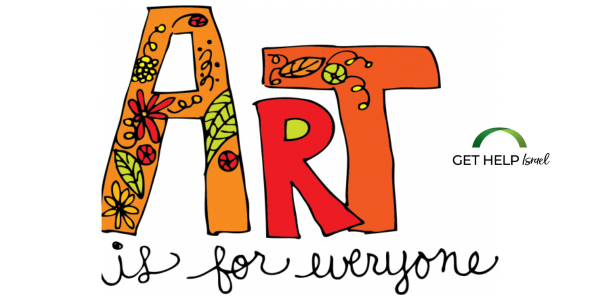
At Home Therapeutic Art Activities for Children During Global Pandemic
By: Sara FeinbergDuring challenging times, it is important to encourage children to express how they are feeling. Children often have difficulty articulating their emotions verbally- communicating through art or play is a great alternative. This can serve as a cathartic release, empower them, and help them process new circumstances.
Read More.png)
Lesson from a Construction Site: Don't Dismiss the Scaffolding in Your Relationships
By: Yonatan SchechterMarriages, like buildings, sometimes need scaffolding - temporary, unglamorous interventions - that provide the platform needed to repair damage and build a strong, lasting structure.
Read More.png)
Challenges of Returning Reserve Soldiers
By: Aharon Herskovitz“Wow, so great you’re home, Aharon, now everything can go back to normal!” This sentence, and variations of it, have been said to me and countless other reserve soldiers over the last few months. Though well-meaning (and also an important injection of optimism and hope!), people’s wider networks are sometimes unaware of the challenges that returning reserve soldiers face.
Read More
Get Grounded With Art
By: Yannah PopovitzCreative expression can be a soothing and releasing form of self care and help us find our anchor.
Read More
Isolation Has Brought Us Together
By: Elan KartenWe’re in isolation, and isolation has brought us together.
Challenges and Advise for People in Self-Quarantine
By: Linda AvitanSelf-quarantine is a situation that can be very stressful and challenging on many levels to oneself and one's relationships. This post examines the areas which may be challenging in an attempt to legitimize those difficulties. I offer the opportunity to reach out and seek ONLINE help in order to get through this trying period in a positive way.
Read More
Homesick in the Holy Land?
By: Yonatan SchechterWhy even the most idealistic olim may struggle emotionally after fulfilling their dream of aliya.
Read More
Fundamentals of Trauma Recovery, Part 6
By: Chava LedererIn building muscle, you will literally build your container to bear it all. When your container is fortified, recovery will be easier.
Read More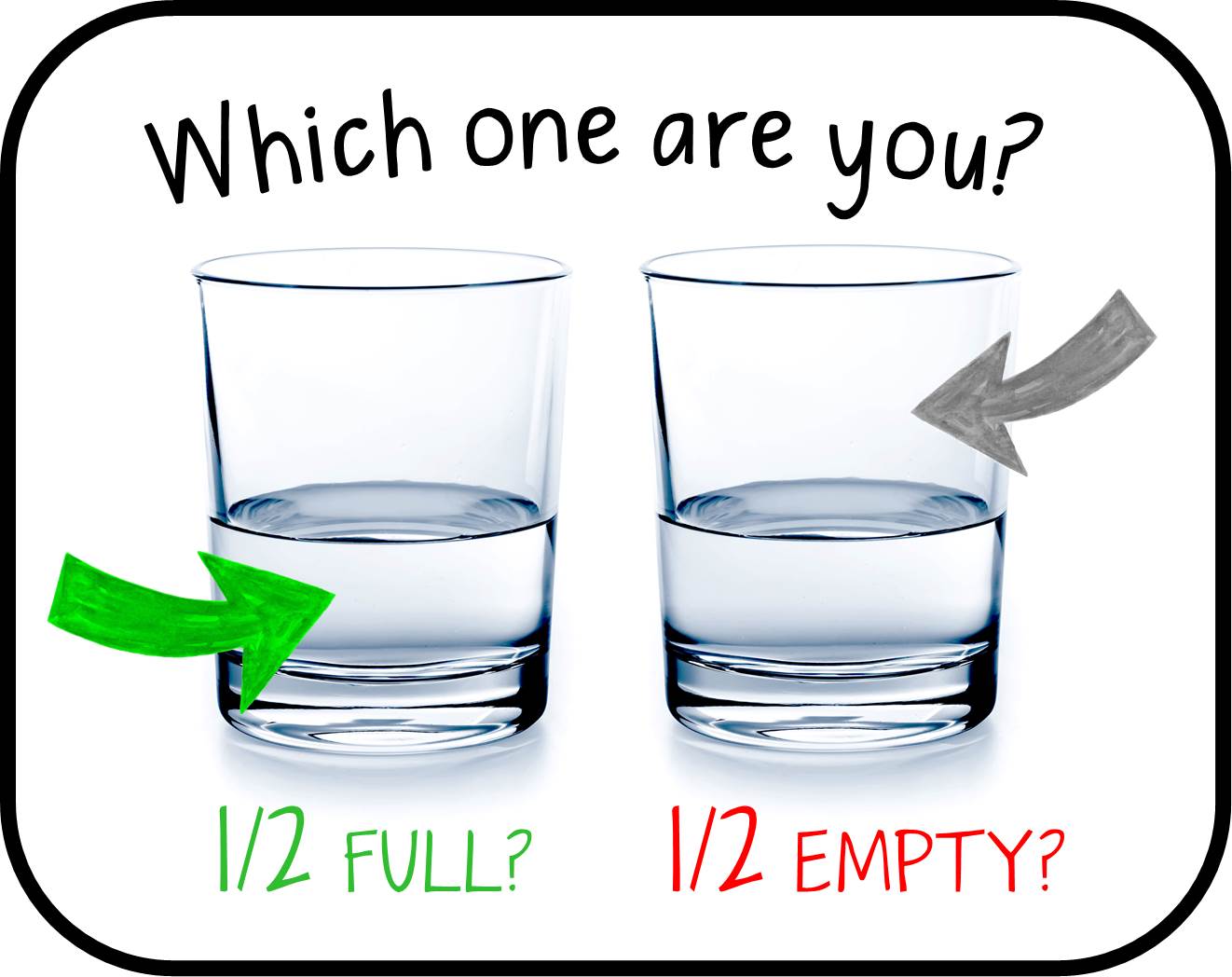
On Becoming a Personal Scientist: Living in the half-full glass
By: Ruth ShidloThe half-full glass is the antidote to the half-empty one.
Read More
Fundamentals of Trauma Recovery, Part 2
By: Chava LedererYou can help your brain register that you survived — you are here — to find more stability and presence in your daily life.
Read More
Adult ADHD
By: Aviva Zahavi-AsaSuccess for adults with ADHD often stems from identifying and building on their strengths, while not over-focusing on their weaknesses. Discovering one particular talent or specialized area of accomplishment is critical for adults (and children) with ADHD. The earlier in life that individuals with ADHD identify their strengths, the greater the likelihood that they will succeed as adults in their chosen academic or occupational fields of interest.
Read More.png)
Finding Home Within
By: Naomi ZaudererMoving to a new country can feel overwhelming, but settling in is about more than just checking off tasks—it’s about finding a sense of home within yourself. This post explores the emotional side of acclimating to life in Israel, offering reflections on embracing uncertainty, building small rituals, and trusting yourself through the transition. Whether you're struggling with daily frustrations or seeking a deeper sense of belonging, this guide offers a compassionate perspective on navigating change.
Read More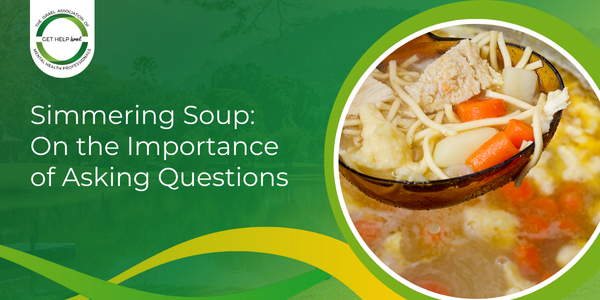
Simmering Soup: On the Importance of Asking Questions
By: Robin B. ZeigerSometimes the question sits on the back burner like low-simmering stew that has all but been forgotten. An innocent question may ignite a fire in a chilly room and we are off in a new direction. Or sometimes it buzzes around like a nasty mosquito.
Read More
Why Staying Together for the Kids Isn’t Doing Anyone Any Favours
By: Micki Lavin-PellMicki Lavin-Pell, is a marriage and family therapist of 15+ years, married to Gaby Pell for nearly 18 years +4 kids. She specializes in helping couples navigate challenges at different stages of their lives and deal with attachment issues that often plague relationships using Emotionally Focused Couples therapy. She co-hosts a podcast featured on www.Jewishcoffeehouse.com, called Real Relationships and can be found on her website www.mickilavinpell.co.il
Read More.png)
4 Ways NOT to Apologize to Your Spouse
By: Yonatan SchechterCouples occupy the same spaces, literally and figuratively, and it’s inevitable that they will clash or disappoint each other from time to time. When that happens, an apology is a major part of making amends. Here are some of the most common mistakes made when apologizing.
Read MoreFor Soldiers and Reservists in Active Duty