
The GHI Fund proudly support soldiers, lone soldiers, and active reservists in funding trauma therapy via private practice multilingual therapists to provide imminent specialized care. Soldiers can select their own therapist through our database of participating therapists.
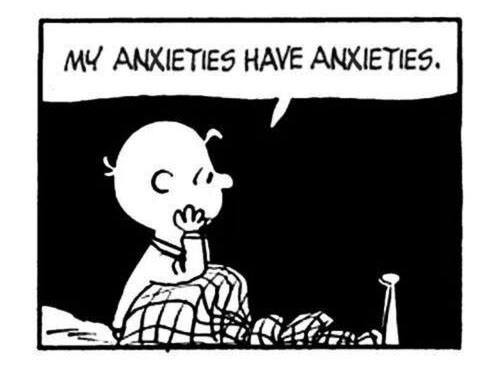
How to Track Anxiety and Help Resolve It
By: Ruth ShidloWe need our ‘signal’ anxiety, because otherwise, we’d be more vulnerable to danger.
Read More.png)
Israel Wartime Anxiety: 3 Emotion-Focused Therapy Tips
By: Daniel FundThe more we turn towards the pain and express unmet needs, and not avoid them, the less anxious we will be.
Read More
Why Staying Together for the Kids Isn’t Doing Anyone Any Favours
By: Micki Lavin-PellMicki Lavin-Pell, is a marriage and family therapist of 15+ years, married to Gaby Pell for nearly 18 years +4 kids. She specializes in helping couples navigate challenges at different stages of their lives and deal with attachment issues that often plague relationships using Emotionally Focused Couples therapy. She co-hosts a podcast featured on www.Jewishcoffeehouse.com, called Real Relationships and can be found on her website www.mickilavinpell.co.il
Read More.png)
Lesson from a Construction Site: Don't Dismiss the Scaffolding in Your Relationships
By: Yonatan SchechterMarriages, like buildings, sometimes need scaffolding - temporary, unglamorous interventions - that provide the platform needed to repair damage and build a strong, lasting structure.
Read More
Beyond Anorexia, Bulimia and Binge Eating Disorder: Understanding The Spectrum of Disordered Eating Behaviours
By: Hadassah (Johanna) Hazan
I feel frustrated when people dismiss lesser well-known disordered eating behaviours. My experience has led me to very confidently believe, that no one ends up in these sort of patterns, without there being something else going on, something that feels as if it requires some sort of distraction from, or total obliteration of. These things need healing. If they aren’t, they persist and the behaviours (coping mechanisms) developed to deal with them become harder to shift out of, thus limiting a person’s life ever more destructively.
Read More
.png)
Seen, Heard, Felt: Why AI Falls Short in the Therapy Room
By: Yisroel PickerThinking of using an AI app for mental health? It might offer tips, but it can't replace a therapist. AI lacks intuition, can't read the room, and doesn't understand complex human nuance like a trained professional does. Learn why the human connection is still essential for navigating your mental well-being effectively.
Read More.png)
Three Ways That Differentiation- Based Couples Therapy Changed My Life
By: Melanie LandauThe more that my sense of self is reflected to me by others the more I make myself vulnerable to be manipulated and gaslit. If I want to be loved, liked, appreciated by the other person more than I listen to myself then I set myself up for trouble.
Read More
Making Space for Personal Growth
By: Robert NewmanBeing too busy is a dis-ease of modern society
Read More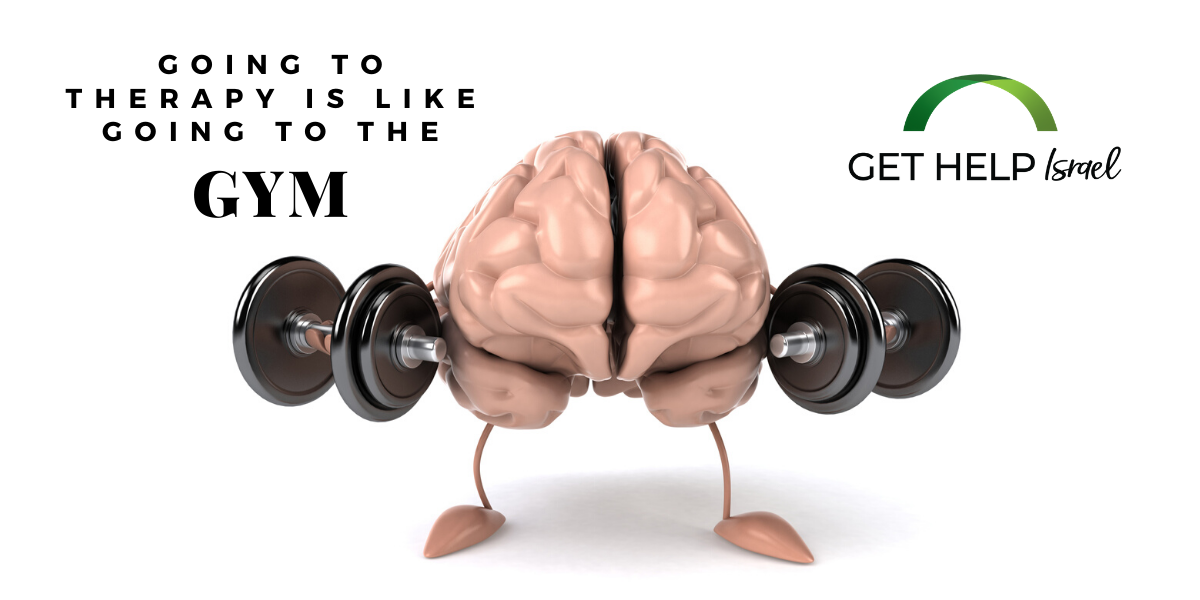
Lets Talk About Therapy The Same Way We Talk About Going To the Gym
By: Keren BurgmanImagine how much easier life would be if therapy was seen simply as a form…
Read More
How to Choose the Right Therapist
By: Tanya ProchkoChoosing the right therapist may feel overwhelming. Here are some tips to help guide you.
Read More
What Makes Us Miss Relationship Red Flags?
By: Micki Lavin-PellHave you come out of a relationship recently where you feel like banging your head against a wall because yet again you’ve dated someone who turned out to be a bad apple? So you go into this mantra of telling yourself there must be no good people to date, because everyone you go out with ends badly.
Your dating pattern may look something like this. You meet someone, they make you feel really good in the beginning, they treat you nicely, take you to nice places and show you a good time. Then slowly they show less interest in you. Maybe they distance themselves from you, start saying things that are hurtful, or seem to care less about your opinion?

Managing Custody During Corona
By: Linda AvitanThe Corona crisis is challenging and stressful on many levels. This is particularly true in families already challenged by divorce and managing custody. My blog addresses basic points of reference around children's needs and challenges around going back and forth between parents and advise to parents on how to best navigate. I offer some "do's and don'ts" for promoting successful communication as well as advise on juggling your life when the children are with you. I invite you to contact me for help, advise or even just venting! Everyone needs someone, now more than ever.
Read More
Fundamentals of Trauma Recovery, Part 8/8
By: Chava LedererBy tackling pieces of your recovery to tackle that are ever-so-small, you ensure your success; this will build greater self-confidence and foundations for each further success.
Read More
You and Your Body
By: Chava LedererYour body is not all of who you are, but it is a constant. You are in relationship with your body always.
Read More.png)
Opening the Emotion Valve: Challenges and Strategies
By: Yonatan SchechterEmotional growth is hard-won, but with the right approach, it is within anyone's reach.
Read More
Encopresis: A Four-Pronged Treatment Approach
By: Sara FeinbergEncopresis, more commonly called “soiling” or fecal incontinence, refers to the involuntary passage of feces. Typically, this condition results from chronic constipation, but it can also be triggered by emotional issues. Encopresis, which has a 9% occurrence rate worldwide, is not considered to be a medical condition until a child is 4 years old. While encopresis is often very distressing to both the child and the family, it is treatable. The earlier treatment begins, the better the outcome. In my years of private practice as an art therapist, I have successfully treated many children with encopresis using the following four-pronged treatment approach.
Read More
Fundamentals of Trauma Recovery, Part 4
By: Chava LedererForgive yourself for not having foreseen, protected, or responded more effectively during the trauma.
Read More.png)
Chewbacca Visits: The Power of a Dream
By: Robin B. ZeigerDreams bring images and messages from the depths of our soul. It is our psyche’s way of compensating for our conscious life, which is only one-half of our life-story. Our dream life brings a richness and ebb and flow to our daily existence. Likewise when we are in touch with our unconscious, there is a flow to our daily existence much like the ebb and flow of the waves of the sea. Our unconscious helps bring us light and creativity and vitality.
Read More.png)
Bagruyot Testing Accommodations for Olim
By: Michael RothThe primary focus here will be on accommodations for the Israeli Bagruyot. Providing accommodations at the Elementary school level is usually at the discretion of the school based upon psycho-educational testing. The Elementary school is not obligated in any way to provide the recommended accommodations and likewise can decide to allow them without a specific recommendation. There is no regulatory body regarding testing accommodations at the Elementary level.
Read More.png)
Finding Home Within
By: Naomi ZaudererMoving to a new country can feel overwhelming, but settling in is about more than just checking off tasks—it’s about finding a sense of home within yourself. This post explores the emotional side of acclimating to life in Israel, offering reflections on embracing uncertainty, building small rituals, and trusting yourself through the transition. Whether you're struggling with daily frustrations or seeking a deeper sense of belonging, this guide offers a compassionate perspective on navigating change.
Read MoreFor Soldiers and Reservists in Active Duty