
The GHI Fund proudly support soldiers, lone soldiers, and active reservists in funding trauma therapy via private practice multilingual therapists to provide imminent specialized care. Soldiers can select their own therapist through our database of participating therapists.

Embracing Your Fear
By: Nancy SchwartzEight years ago when I was diagnosed with Lyme disease I had a deep-seated fear of never walking again; that I would never be able to take long aimless walks like the days before.
Read More
Healing the Inner Garden: A Journey of Creation, Connection, and Inner Peace
By: יוסף זאב בראווערExplore a path to healing that unites therapeutic insights and Jewish wisdom. This article bridges Internal Family Systems, mindful awareness, and timeless spiritual teachings, offering readers a journey toward self-discovery, purpose, and inner peace.
Read More
Showing Up Just The Way You Are
By: Keren BurgmanAs we approach the holiday season and celebrations are upon us we can feel very…
Read More.png)
Making the First Call: A Guide to Choosing the Right Therapist for You
By: Yisroel PickerDeciding to seek therapy is a courageous first step, but the initial phone call to a potential therapist can feel daunting. This guide is designed to empower you during that crucial conversation, moving beyond logistics to help you find the right fit. Discover the key questions that reveal a therapist's experience, approach, and, most importantly, their ability to create a safe and trusting connection with you.
Read More
Sating the Binge
By: Chava LedererBingeing is an issue of physiological needs and emotional nourishment. If we attend to these, we can find peace with food, our bodies, and our minds.
Read More.png)
Understanding Relational Therapy and Why It Matters in Eating Disorder Treatment
By: Hadassah (Johanna) HazanThis piece traces the evolution of relational therapy and shows why its emphasis on attunement, authenticity, and connection is especially effective in treating eating disorders. It reveals how the therapeutic relationship itself becomes a corrective emotional experience, allowing clients to access and heal the deeper wounds beneath disordered eating.
Read More
Fundamentals of Trauma Recovery, Part 3
By: Chava LedererWhile extremely distressing, flashbacks are actually memories. Registering what is a memory, and what is happening now, is essential.
Read More
In Relationship with Mental Illness
By: Chava LedererIf your spouse suffers from a mental health issue or addiction, there are some concrete steps you can take to improve your life. These are the first pieces of building your relationship.
Read More.png)
Anorexia - the Ultimate “Protector” - and Discovering What it’s Protecting From
By: Hadassah (Johanna) HazanI was recently asked: “What are the most common deepest, darkest, most painful things that are lurking inside someone with anorexia and what are the most common protective mechanisms, or defenses that they generally turn to, to maintain their eating disorder?”
In this essay I try to answer this by offering a general overview of some of the patterns I have encountered repeatedly in my work, because of course there is no single internal system that sits underneath all anorexia.
Read More
Fundamentals of Trauma Recovery, Part 7
By: Chava LedererFinding meaning, creating purpose, and gaining control is a recipe that results in greater resilience and fuller recovery.
Read More
Ways to Manage Worry Instead of it Managing You – Part THREE
By: Daniel BaumWorry! Ways to Manage Worry Instead of it Managing You
Part Three
Strategies to Help you Manage your Worrying
I am glad you are back again to read the final part of my blog Worry! Ways to Manage Worry Instead of it Managing You. In part three of my blog I will give you some specific strategies to help you manage your worrying.
Here are some specific strategies and tools that can help you avoid toxic worry. Let’s get to it shall we!
Hallowell’s Strategies of Managing Worry
Beyond Their Words: Understanding the Real Question
By: Yisroel PickerPeter Drucker wisely stated, "The most important thing in communication is hearing what isn't said." This article delves into that profound truth, illustrating how discerning unspoken messages can transform our interactions. We explore the critical skill of understanding the true questions behind the words, from veiled pleas for help to the silent cries hidden in seemingly innocuous inquiries. Discover why truly effective communication requires listening not just to what is spoken, but to the deeper needs and concerns that remain unsaid.
Read More.png)
Mindfulness in Therapy: More Than Just Breathing
By: Liron Kranzler
How mindfulness-based practices help you navigate overwhelm and pain, and come home to yourself.
Read More

Fundamentals of Trauma Recovery, Part 6
By: Chava LedererIn building muscle, you will literally build your container to bear it all. When your container is fortified, recovery will be easier.
Read More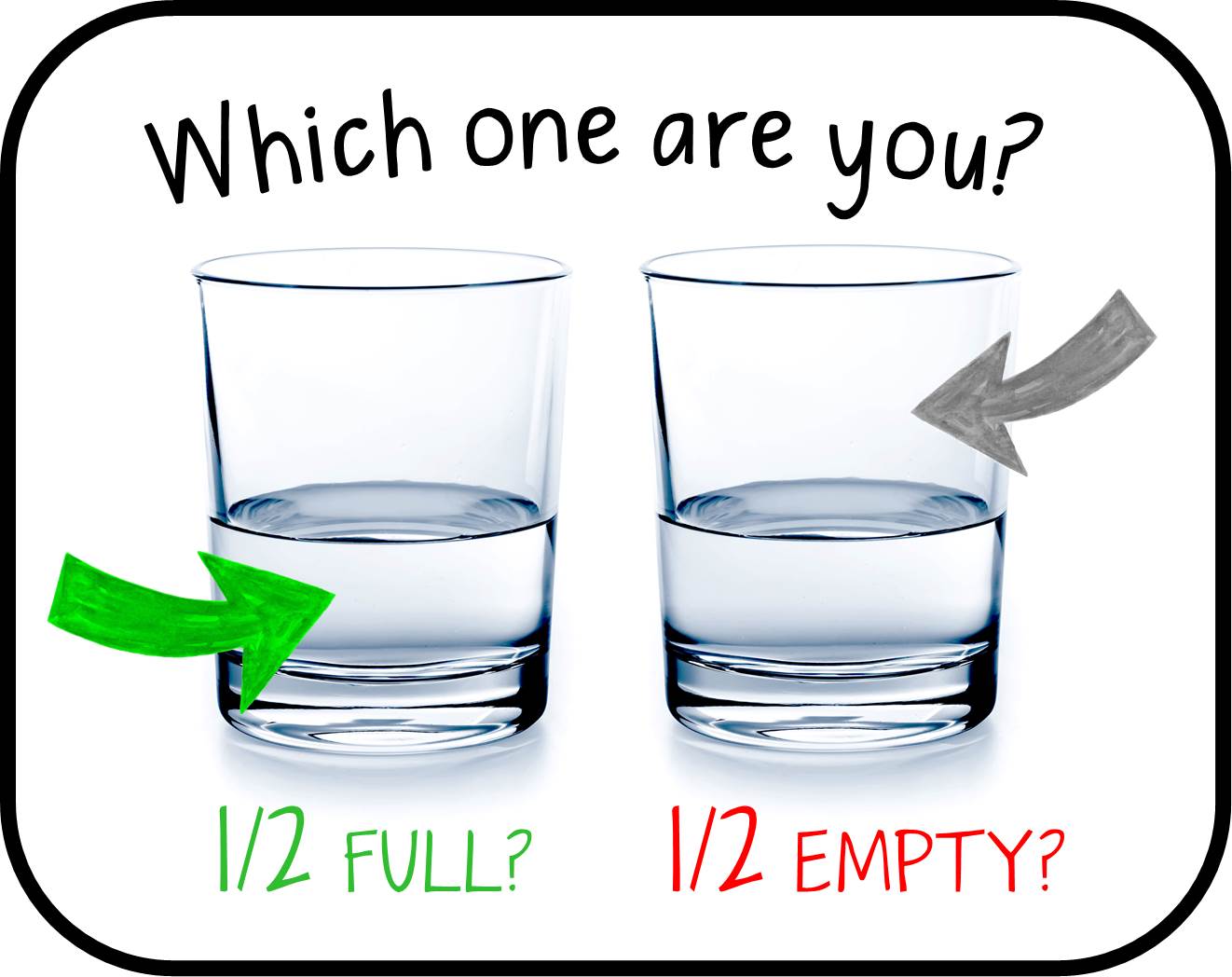
On Becoming a Personal Scientist: Living in the half-full glass
By: Ruth ShidloThe half-full glass is the antidote to the half-empty one.
Read More.png)
How to Connect With Your Partner in the Pandemic and Beyond
By: Judy MarkoseConsider this dream: you and your partner experience the pandemic with your marriage intact and your family even closer and more connected than ever. You can practice a more loving way of relating, with more kindness and giving. This blog offers practical tips for becoming a great communicator, being a generous listener, and adding gratitude to your relationship.
Read More.png)
The Connection Between ADHD and Anxiety Disorders or Depression
By: Aviva Zahavi-AsaSeveral theories exist to explain the higher incidence of anxiety disorders or depression among individuals with ADHD. One theory presumes that because the same neurobiological systems that control attention also control mood, it is reasonable to assume that the neurological causes of ADHD also cause anxiety disorders or depression. Another theory posits that anxiety disorders or depression are an outcome of living with ADHD, especially if attention difficulties have gone undiagnosed or untreated for many years, often leading to chronic feelings of failure, frustration, disappointment and being overwhelmed.
Read More.png)
PERFECTIONISM is the Enemy of FREEDOM
By: Tanya ProchkoIt's getting close to Pesach and I'm thinking: what do I want to focus on at my seder table with my adolescent children who can now carry intelligent conversations and think about things in a deeper and more complex way? Afterall, our exodus from Egypt is not just a historical event and with kids, the way to facilitate spiritual connection is through relatable modern-day experiences. The obvious answer would be to focus on what each of us finds ourselves enslaved to in our lives and how we can access our personal freedom, but we've been down that road before and it hadn't hit home the way I'd want a good juicy introspective theme to do. So, I came up with IMPERFECTION
Read More.png)
The Art of Communicating Honestly and Responsibly (Part 1 of Winter Series 5786)
By: Yonatan SchechterExpressing feelings in marriage is essential, but it must be done honestly and responsibly to strengthen rather than damage your relationship.
Read More.png)
Cultivating Self-Care
By: Esther Avital GottesmanIn its most general sense, self-care is often equated with self-pampering. Given this notion, it can be seen as selfish. However, that idea is mistaken.
Read MoreFor Soldiers and Reservists in Active Duty