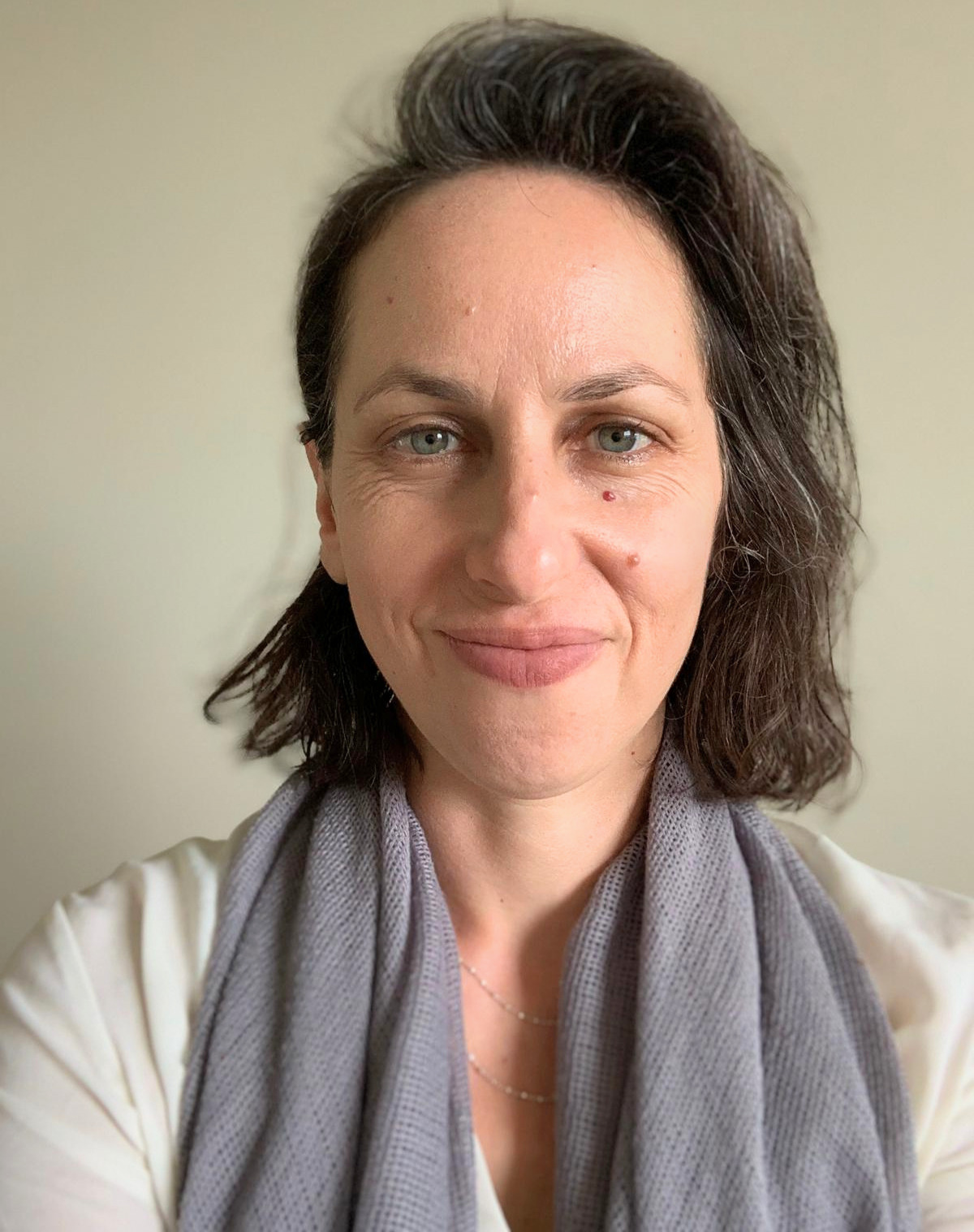
Liron Kranzler
Credentials
Finances
- Rakafot 18
- Kiryat Tivon, 3605318
 Verified
Credentials
Psychotherapist
MA
Finances
350-500 NIS
N/A
Free Consultation
Registered provider through Bituach Leumi
ABOUT THE THERAPIST
Helping you move beyond stuck patterns and respond to life with more clarity, ease, and confidence.
You may be dealing with stress, anxiety, or challenges in relationships—or finding yourself stuck in patterns that don’t seem to change, even when you try. At times, it can be hard to understand why you feel or react the way you do. Therapy can help you make sense of what’s happening and create meaningful, lasting change.
I’m an experienced, integrative psychotherapist working with adults. I support people navigating anxiety, stress, relationship difficulties, life transitions, and periods of feeling overwhelmed, stuck, or disconnected.
My approach combines practical tools with deeper, experiential work. We focus on what’s happening in your life right now, while also exploring the patterns that shape your emotions, reactions, and choices.
In our sessions, we pay attention not only to thoughts, but also to emotions and body-based experience. This can help you develop greater self-awareness, emotional flexibility, and a stronger sense of direction.
I offer a grounded, nonjudgmental space where you can explore challenges at your own pace. This work can be helpful whether you’re new to therapy or have previous experience and are looking for a more in-depth or experiential approach.
- Anxiety, stress, and feeling overwhelmed
- Relationship challenges and recurring patterns
- Feeling stuck or repeating the same reactions
- Life transitions and periods of change
- Low self-confidence, self-doubt, and decision-making
- Emotional ups and downs or difficulty managing feelings
- Gaining clarity, direction, and a stronger sense of self
I work with you as a collaborative and engaged partner. Together, we explore what’s happening in your thoughts, emotions, and reactions, and begin to understand the patterns that shape your experience.
My role is to help you slow things down, gain clarity, and find new ways of responding that feel more effective and aligned with who you are. I’ll support you with focus, honesty, and care, while respecting your pace and what feels right for you.
Therapy is a shared process: you bring your experience, and I bring guidance, perspective, and a grounded, nonjudgmental space to help you move forward.
- Integrative therapy informed by mindfulness and Hakomi
- Collaborative, experiential approach tailored to your pace and needs
- Focus on understanding patterns, building emotional flexibility, and creating meaningful change
- Online and in-person sessions available
QUALIFICATIONS
MA
University of Haifa
2012
Degree
MAEducation
University of HaifaYear of Graduation
2012Years in Practice
14
ADDITIONAL CREDENTIALS
B.A., Columbia University - 2008
Hakomi Method of Mindfulness Based Experiential Psychotherapy - Hakomi Institute of California, Hakomi Institute of Israel - 2025
DISTANCE COUNSELING
Online Therapy
BLOG POSTS
.png)
Mindfulness in Therapy: More Than Just Breathing
How mindfulness-based practices help you navigate overwhelm and pain, and come home to yourself.
PRIMARY SPECIALTIES
Anxiety / Panic
Depression
Holistic
Life Transitions
ADDITIONAL SPECIALTIES
Codependency
Dissociative Disorders
Eating Disorders
Executive / Career / Life Coaching
Family Issues
LGBTQ
Mood Disorders
Parenting Issues / Training
Self-Esteem
Stress Management
Trauma / Post Traumatic Stress Disorder PTSD
CLIENT FOCUS
Population
Adults
LGBTQ
Men
Women
Languages Spoken
Hebrew
English
TREATMENT APPROACH
Body PsychotherapyBody psychotherapy is an integrative psychotherapy approach that combines psychodynamic, humanistic, and somatic approaches with the goal of treating psychological and physical distress. It emphasizes the connection between body and mind, and works to increase awareness of physical sensations and emotions. Body psychotherapy practitioners may use a variety of techniques, including mindfulness, body postures, breath work, relaxation, and sensory awareness, to help clients become more aware of their bodies and to learn how to use this awareness to improve their overall wellbeing.
Body-Mind PsychotherapyBody-mind psychotherapy is an integrative approach to psychological treatment that draws from both psychotherapeutic and somatic/body-based approaches. It emphasizes the interconnection between physical, emotional, cognitive and spiritual aspects of being. This approach seeks to help individuals explore how physical sensations, emotions, thoughts and beliefs influence their behavior and well-being. Through this exploration, individuals can gain insight into how the body and mind interact to create patterns of behavior, and how those patterns can be changed to promote healing and wellness.
Dance / Movement Therapy (DMT)Dance Movement Therapy (DMT) is a psychotherapeutic approach that uses movement as a medium for self-expression, exploration, and healing. It is based on the belief that the body and mind are interconnected, and that the body is a source of knowledge and wisdom. Through the practice of DMT, individuals are encouraged to explore movement in order to gain insight into their emotional state and gain insight into the underlying causes of their difficulties. The goal of DMT is to help individuals identify, process, and integrate their emotions, thoughts, and behaviors in order to improve their overall well-being.
Expressive Arts TherapyExpressive Arts Therapy is particularly beneficial for clients who struggle with describing what they are feeling verbally. Through imagination and creation of different art forms, clients are able to interpret and communicate their inner world and catalyze healing. Expressive arts therapy can involve the use of multiple modalities, such as visual arts, music, movement, drama, storytelling, poetry, and play. It is used to help individuals of all ages, including children and adults, to explore their feelings, reconcile emotional conflicts, foster self-awareness, manage behavior and addictions, develop social skills, improve reality orientation, and solve problems.
Holistic PsychotherapyHolistic psychotherapy emphasizes the individual's interconnectedness between the individual's physical, mental, emotional, and spiritual aspects and views them as inseparable components of a single holistic system. Holistic psychotherapy focuses on understanding how these components interact and affect a person’s wellbeing. The goal of holistic psychotherapy is to create a sense of wholeness and harmony within the individual, and to foster self-awareness and self-care. Holistic practitioners use a variety of approaches, including traditional talk therapy, mindfulness practices, and body-based therapies like movement therapy. They also may incorporate nutrition, physical activity, and other lifestyle factors into treatment plans.
Interpersonal Psychotherapy (IPT)IPT focuses on the relationships and interactions an individual has with others. It is based on the premise that the way that we interact with others can have a significant impact on our emotional well-being. During IPT sessions, the practitioner will work with the client to identify patterns of behavior and communication that may be contributing to their emotional distress. They will then help the client learn new ways of interacting with others, as well as teach them coping skills to manage difficult emotions. It is a time-limited therapy, typically lasting between 12-16 weeks, with the goal of helping the client develop long-term coping skills.
Psychodynamic TherapyPsychodynamic therapy is a form of therapy that focuses on the unconscious mind and how it affects behavior. It works to help people understand and work through past experiences and feelings that may be causing difficulties in the present. This type of therapy encourages individuals to explore their emotions, relationships, and behaviors in order to gain insight into their current difficulties. It can help individuals better understand themselves and their motivations, and gain insight into how past events have impacted their current lives. People tend to develop defense mechanisms when faced with challenges in life. Defense mechanisms may keep painful feelings, memories, and experiences in the unconscious. A few common defense mechanisms include: denial, repression, and rationalization. Psychodynamic therapists encourage people to speak freely about their emotions, desires, and fears. Being open may help uncover vulnerable feelings that have been pushed out of conscious awareness. According to psychodynamic theory, behavior is influenced by unconscious thought. Once painful feelings are brought forth and processed, the defense mechanisms are no longer needed and a person in treatment can start changing unhelpful patterns when coping with life’s challenges.
Hakomi Therapy
SERVICES OFFERED
Individual Therapy
BLOG POSTS
Mindfulness in Therapy: More Than Just Breathing
How mindfulness-based practices help you navigate overwhelm and pain, and come home to yourself.