
The GHI Fund proudly support soldiers, lone soldiers, and active reservists in funding trauma therapy via private practice multilingual therapists to provide imminent specialized care. Soldiers can select their own therapist through our database of participating therapists.

How to Create a Sense of Normalcy at Home While Navigating the New Normal
By: Karen BurgmanCovid brings with it feelings of anxiety, stress and uncertainty. Though children deal with emotions in different ways, your child has been faced with school closures, cancelled events or separation from friends, they are going to need to feel loved and supported now more than ever.
Read More.png)
Simcha Guilt
By: Elan KartenA therapist reflects on his sleeplessness on the eve of his son's wedding.
Read More.png)
The Emotion Valve
By: Yonatan SchechterWhen someone is friendly, capable, and well-liked yet can't seem to make a relationship work, the answer may lie not in who they are today, but in who they had to become in childhood.
Read More
Get Grounded With Art
By: Yannah PopovitzCreative expression can be a soothing and releasing form of self care and help us find our anchor.
Read More.png)
The Hidden Layers: A Therapist's Guide to Understanding Trauma
By: Yisroel PickerJust like an onion, trauma has many layers. What you see on the surface is rarely the full story, and true healing often begins when we start peeling back the "how," "who," "where," "when," and "why" behind the "what." This article explores the powerful onion metaphor in understanding trauma, revealing how a deeper look can lead to profound transformation. Discover why exploring every layer is essential for both clinicians and those on their healing journey.
Read More
Fundamentals of Trauma Recovery (Part 1)
By: Chava LedererIn trauma recovery, being mindful of your personal gauge will inform you what’s helpful, what is not, what soothes, what activates, what feels good, what is uncomfortable. Listening to your gauge is essential in deciding what’s the best for your recovery.
Read More
Simmering Soup: On the Importance of Asking Questions
By: Robin B. ZeigerSometimes the question sits on the back burner like low-simmering stew that has all but been forgotten. An innocent question may ignite a fire in a chilly room and we are off in a new direction. Or sometimes it buzzes around like a nasty mosquito.
Read More.png)
The Interplay of Dread AND Hope: Holding and Navigating Contrasting Emotions in Cultivating Resilience
By: Evelyn RappoportPeople often ask me: how it is possible to celebrate amid deep suffering and life-altering traumatic events that shatter any sense of safety or security and leave us in confusion and the unknown? Dread and Hope, though seemingly contradictory, can coexist in a complex dance that shapes the human experience. Here's how...
Read More
10 Ways to Improve a Marriage
By: Naomi SternbergWouldn’t it be wonderful if there were just 10 do it yourself fix it solutions…
Read More.png)
Grief Before Courage: What the Story of Esther Teaches Us
By: Naomi ZaudererThis post reflects on a women’s moon circle held during the Hebrew month of Adar, using the story of Esther as a framework for exploring passivity, purpose, and courageous action. Through discussion, journaling, and music, we examined the difference between emotional awareness and meaningful movement. The piece also explores how unprocessed grief can delay necessary conversations and growth.
Read More.png)
Imagination Makes Sense
By: Sara JacoboviciWe are sensory beings, and one of the earliest abilities that we acquire is imagination. Imagination allows us to form mental images of things not currently sensed, simulate possible future scenarios, create novel ideas, and engage in symbolic thinking.
Read More.png)
Taking a U Turn From Thought: A Mindful Pathway Out of Trance
By: Karen Burgman“Who is your enemy?” said the Buddha. “Mind is your enemy. Not one can harm you more than a mind untrained. Who is your friend? No one can assist you and care for you better than your mind well-trained. Not even the most loving mother or father.”
Read More
The CYCLE: The Key to Rebuilding Your Marriage
By: Daniel FundSomething was comin' there way and it was no good... Shira and David find themselves in a vicious cycle that they are both trapped in for years. They fall back to their default coping styles which continue failing them. In fact, we all fall back to these coping styles...
Read More.png)
Challenges of Returning Reserve Soldiers
By: Aharon Herskovitz“Wow, so great you’re home, Aharon, now everything can go back to normal!” This sentence, and variations of it, have been said to me and countless other reserve soldiers over the last few months. Though well-meaning (and also an important injection of optimism and hope!), people’s wider networks are sometimes unaware of the challenges that returning reserve soldiers face.
Read More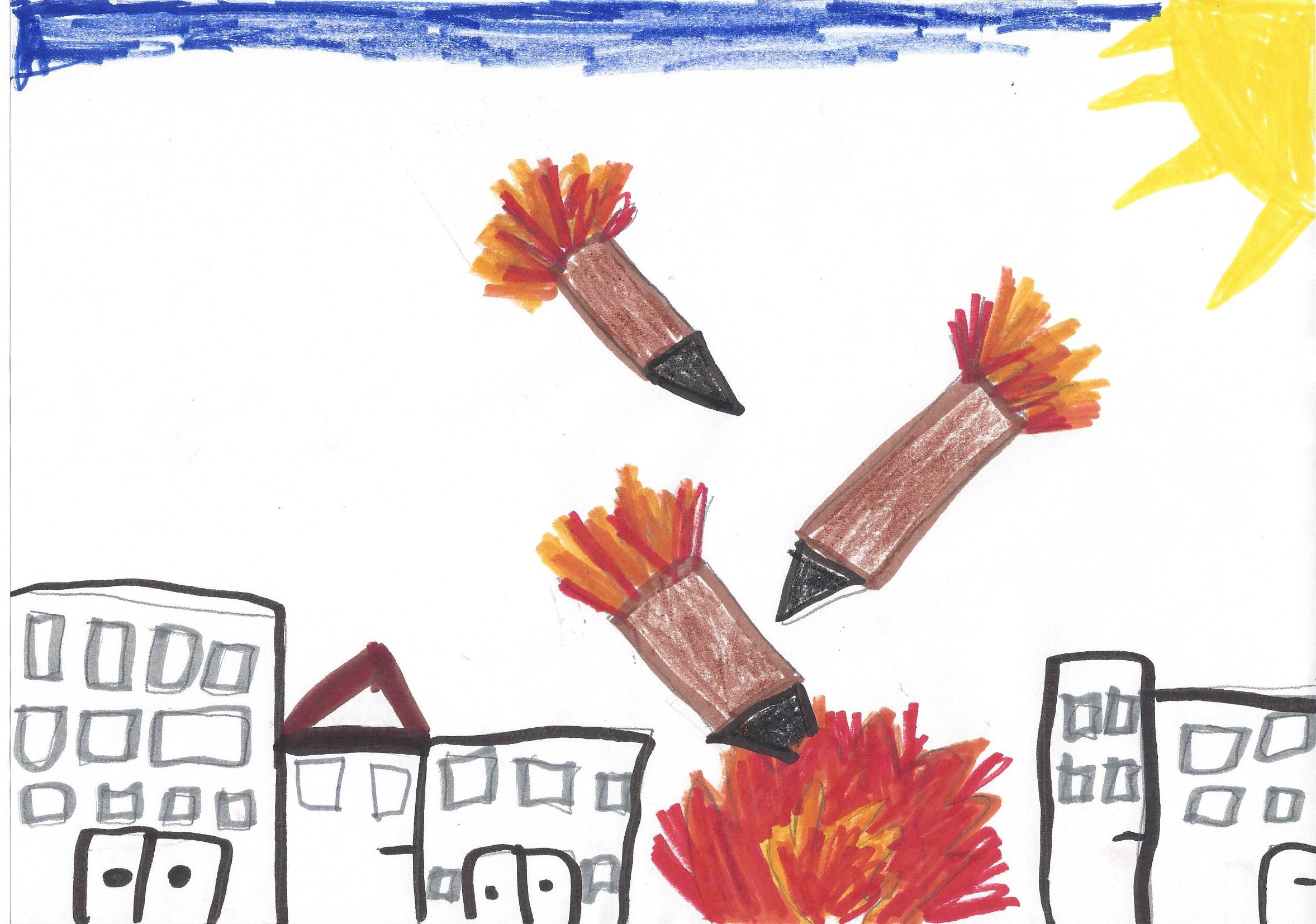
How to Emotionally Support Children During Challenging Times – Speaking to your children about recent rocket attacks in Israel
By: Sara FeinbergFollowing the recent rocket attacks, many parents have asked me how best to respond to their children and help them manage their concerns and fears. Just as we have all heard the booms and seen the news reports, our children too are well aware of what is happening. As parents it is our job to support them through these difficult times. Here are some recommendations that can help.
Read More
Why Invest in Your Relationship Skills Before You Even Find Love?
By: Micki Lavin-PellNo one wants to live with a feeling that disaster can strike at any time….
Read More
Why Grownups Should Play Too
By: Rachel Ozick…as we get older, we stop playing. We feel the need to be productive or we feel so tired from our productive lives that we pursue mindless ways to relax and shut down, like watching TV, but watching TV is not playing, and playing is more important than you think.
Read More
Homesick in the Holy Land?
By: Yonatan SchechterWhy even the most idealistic olim may struggle emotionally after fulfilling their dream of aliya.
Read More.png)
Can You FIX her?
By: Daniel FundThe short answer? You cannot "fix" your wife. But you don't need to. You need something else a whole lot better...
Read More.png)
Survivorship Bias: Missing Planes and Missing Data
By: Yisroel PickerSurvivorship bias is like the WWII military only looking at bullet holes in planes that returned, while ignoring the ones that crashed. In the same way, we copy the 'hustle' of famous billionaires and think it’s a blueprint, forgetting the thousands of people who did the exact same thing and failed. If you only look at the survivors, you’re missing the full picture of the risks you’re actually taking. To truly survive, you have to stop obsessing over the winners and start looking at the planes that never made it home.
Read MoreFor Soldiers and Reservists in Active Duty