
The GHI Fund proudly support soldiers, lone soldiers, and active reservists in funding trauma therapy via private practice multilingual therapists to provide imminent specialized care. Soldiers can select their own therapist through our database of participating therapists.

Hope and Healing: From Warsaw to Jerusalem
By: Micki Lavin-PellIt was amazing how the strength of the comradery of the women enabled them to shift their view of themselves and their experience of MRKH from one in which they were hard done by and less of a woman, to feeling special. They were able to explore the possibilities that having MRKH presented to them. They also recognized the hope and possibilities that lay within their situation, on many levels. When the women started the workshop, many were nervous and fidgety. By the end, they were sitting up straight with big smiles on their faces and hope in their eyes.
What I learned was that we can all be hope experts, as we have all experienced life challenges. The more we recognize the challenges that we endured, remove the shame connected to those challenges and celebrate the accomplishments, the better able we can help others feel more hopeful too.
Read More
Encopresis: A Four-Pronged Treatment Approach
By: Sara FeinbergEncopresis, more commonly called “soiling” or fecal incontinence, refers to the involuntary passage of feces. Typically, this condition results from chronic constipation, but it can also be triggered by emotional issues. Encopresis, which has a 9% occurrence rate worldwide, is not considered to be a medical condition until a child is 4 years old. While encopresis is often very distressing to both the child and the family, it is treatable. The earlier treatment begins, the better the outcome. In my years of private practice as an art therapist, I have successfully treated many children with encopresis using the following four-pronged treatment approach.
Read More
Showing Up Just The Way You Are
By: Keren BurgmanAs we approach the holiday season and celebrations are upon us we can feel very…
Read More
The Power of Art Therapy for Emotional Healing
By: Sara FeinbergPeople often ask me, “What is art therapy and how does it work?” Art therapy…
Read More
Earth, Water, Air, and Fire
By: Chava LedererThe four classical elements are channels through which we make contact with the present moment reality, and engage our uniquely human mind – a mind capable of creativity, of connecting to others, of faith and spirituality. I offer you these four elements as resources in moments of stress, panic, fear, or any other overwhelming experience.
Read More.png)
Canary in the Coal Mine
By: Hadassah (Johanna) HazanThis article is essentially a tool of empowerment for people who may identify as highly sensitive or perceptive; who have grown up in dysfunctional or abusive systems, and who have found themselves treated as if they are the problem.
Read More.png)
Grief in the Desert: Moshe, Miriam, and Mei Meriva
By: Ariel PenkowerThe story of Mei Merivah is among the Torah's most challenging narratives. This reflection offers a fresh perspective on Moshe's act of striking the rock, exploring it through the lens of bereavement, emotional overwhelm, and the human limits of leadership. Drawing on both Torah and psychology, it invites us to consider what this event might teach us about grief, compassion, and our shared humanity.
Read More
Fundamentals of Trauma Recovery, Part 5
By: Chava LedererIf you feel ashamed in relation to any part of your trauma, you deserve to connect with others and experience the relief that comes with dissipating shame.
Read More.png)
The Hidden Layers: A Therapist's Guide to Understanding Trauma
By: Yisroel PickerJust like an onion, trauma has many layers. What you see on the surface is rarely the full story, and true healing often begins when we start peeling back the "how," "who," "where," "when," and "why" behind the "what." This article explores the powerful onion metaphor in understanding trauma, revealing how a deeper look can lead to profound transformation. Discover why exploring every layer is essential for both clinicians and those on their healing journey.
Read More
Isolation Has Brought Us Together
By: Elan KartenWe’re in isolation, and isolation has brought us together.
.png)
Can Adolescents Act Abusively?
By: Aviva Zahavi-AsaParents are often reluctant to admit that their teenager is acting in ways which are abusive due to their own feelings of guilt, shame or a sense of failure. In some of these cases, the adolescent was exposed to domestic violence or experienced abuse within the family at an earlier age and then repeats familiar family patterns at a later stage. In other cases, however, no history of abuse exists within the family.
Read More
Vulnerability Just Ahead
By: Nancy SchwartzIs feeling vulnerable a good thing? Many of us see it as a sign of weakness, as we’re not being good enough!! We’re afraid of not being seen by others as the “perfect” mother/father, spouse, child, worker, etc.
Read More
On Becoming a Personal Scientist: Beginnings
By: Ruth ShidloAs the baby gains enough safety and security via his attachment systems with the significant people in his life, he is able to identify and then befriend the familiar within the strange.
Read More.png)
Survivorship Bias: Missing Planes and Missing Data
By: Yisroel PickerSurvivorship bias is like the WWII military only looking at bullet holes in planes that returned, while ignoring the ones that crashed. In the same way, we copy the 'hustle' of famous billionaires and think it’s a blueprint, forgetting the thousands of people who did the exact same thing and failed. If you only look at the survivors, you’re missing the full picture of the risks you’re actually taking. To truly survive, you have to stop obsessing over the winners and start looking at the planes that never made it home.
Read More
How to Track Anxiety and Help Resolve It
By: Ruth ShidloWe need our ‘signal’ anxiety, because otherwise, we’d be more vulnerable to danger.
Read More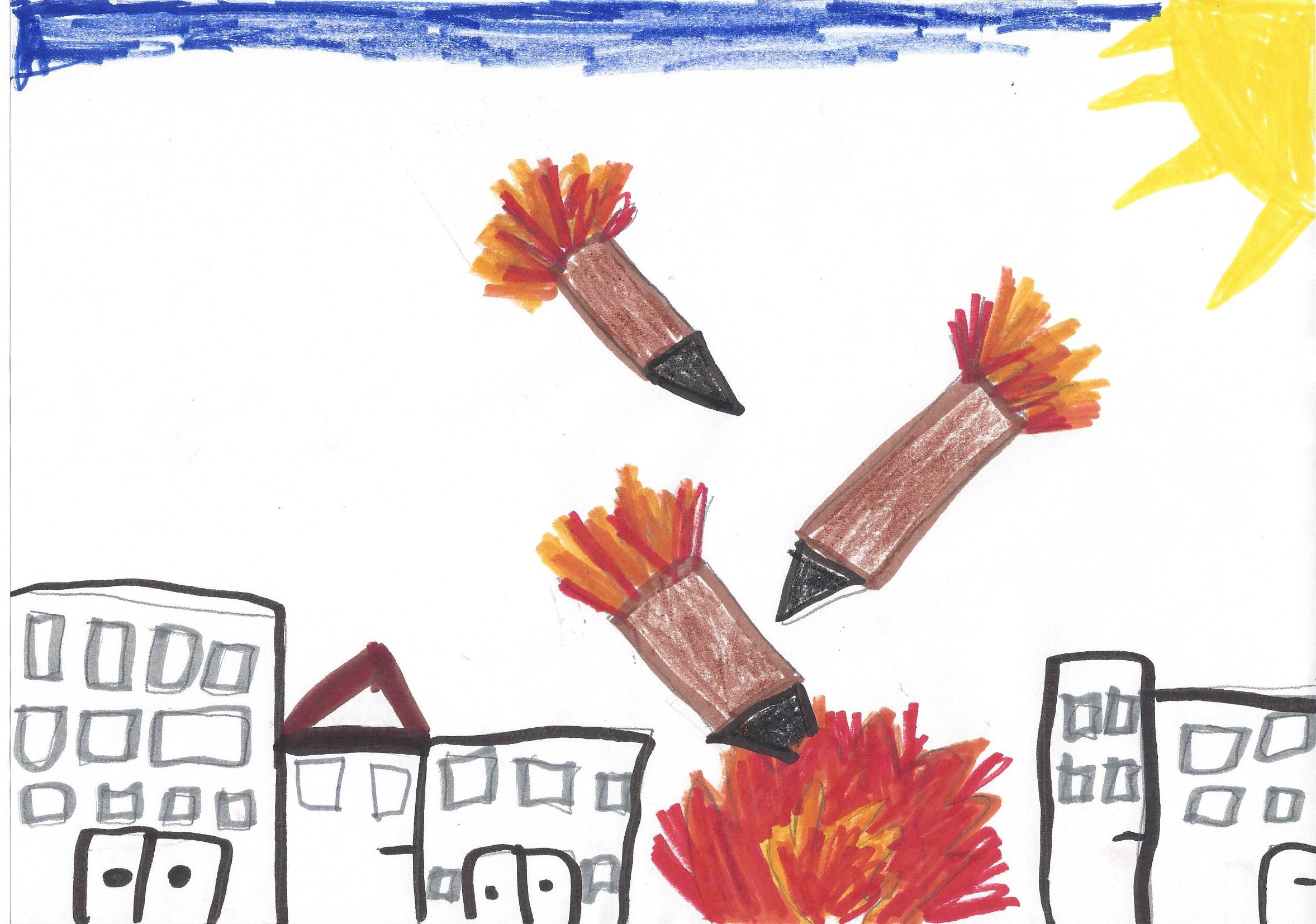
How to Emotionally Support Children During Challenging Times – Speaking to your children about recent rocket attacks in Israel
By: Sara FeinbergFollowing the recent rocket attacks, many parents have asked me how best to respond to their children and help them manage their concerns and fears. Just as we have all heard the booms and seen the news reports, our children too are well aware of what is happening. As parents it is our job to support them through these difficult times. Here are some recommendations that can help.
Read More
How to Create a Sense of Normalcy at Home While Navigating the New Normal
By: Karen BurgmanCovid brings with it feelings of anxiety, stress and uncertainty. Though children deal with emotions in different ways, your child has been faced with school closures, cancelled events or separation from friends, they are going to need to feel loved and supported now more than ever.
Read More.png)
PERFECTIONISM is the Enemy of FREEDOM
By: Tanya ProchkoIt's getting close to Pesach and I'm thinking: what do I want to focus on at my seder table with my adolescent children who can now carry intelligent conversations and think about things in a deeper and more complex way? Afterall, our exodus from Egypt is not just a historical event and with kids, the way to facilitate spiritual connection is through relatable modern-day experiences. The obvious answer would be to focus on what each of us finds ourselves enslaved to in our lives and how we can access our personal freedom, but we've been down that road before and it hadn't hit home the way I'd want a good juicy introspective theme to do. So, I came up with IMPERFECTION
Read More
Fundamentals of Trauma Recovery, Part 8/8
By: Chava LedererBy tackling pieces of your recovery to tackle that are ever-so-small, you ensure your success; this will build greater self-confidence and foundations for each further success.
Read More.png)
Grief Before Courage: What the Story of Esther Teaches Us
By: Naomi ZaudererThis post reflects on a women’s moon circle held during the Hebrew month of Adar, using the story of Esther as a framework for exploring passivity, purpose, and courageous action. Through discussion, journaling, and music, we examined the difference between emotional awareness and meaningful movement. The piece also explores how unprocessed grief can delay necessary conversations and growth.
Read MoreFor Soldiers and Reservists in Active Duty