
The GHI Fund proudly support soldiers, lone soldiers, and active reservists in funding trauma therapy via private practice multilingual therapists to provide imminent specialized care. Soldiers can select their own therapist through our database of participating therapists.
.png)
Shining Light on Feelings
By: Yannah PopovitzWhen we are able to just be with whatever we are feeling and experiencing, without judgement or an agenda we bring light
Read More.png)
The Emotion Valve
By: Yonatan SchechterWhen someone is friendly, capable, and well-liked yet can't seem to make a relationship work, the answer may lie not in who they are today, but in who they had to become in childhood.
Read More.png)
4 Ways NOT to Apologize to Your Spouse
By: Yonatan SchechterCouples occupy the same spaces, literally and figuratively, and it’s inevitable that they will clash or disappoint each other from time to time. When that happens, an apology is a major part of making amends. Here are some of the most common mistakes made when apologizing.
Read More.png)
From “He Said, She Said” to “He Felt, She Felt” (Part 2 of Winter Series 5786)
By: Yonatan SchechterBeneath most heated exchanges lie deeper feelings waiting to be understood.
Read More

On Becoming a Personal Scientist: Beginnings
By: Ruth ShidloAs the baby gains enough safety and security via his attachment systems with the significant people in his life, he is able to identify and then befriend the familiar within the strange.
Read More
Get Grounded With Art
By: Yannah PopovitzCreative expression can be a soothing and releasing form of self care and help us find our anchor.
Read More.png)
Making the First Call: A Guide to Choosing the Right Therapist for You
By: Yisroel PickerDeciding to seek therapy is a courageous first step, but the initial phone call to a potential therapist can feel daunting. This guide is designed to empower you during that crucial conversation, moving beyond logistics to help you find the right fit. Discover the key questions that reveal a therapist's experience, approach, and, most importantly, their ability to create a safe and trusting connection with you.
Read More
Encopresis: A Four-Pronged Treatment Approach
By: Sara FeinbergEncopresis, more commonly called “soiling” or fecal incontinence, refers to the involuntary passage of feces. Typically, this condition results from chronic constipation, but it can also be triggered by emotional issues. Encopresis, which has a 9% occurrence rate worldwide, is not considered to be a medical condition until a child is 4 years old. While encopresis is often very distressing to both the child and the family, it is treatable. The earlier treatment begins, the better the outcome. In my years of private practice as an art therapist, I have successfully treated many children with encopresis using the following four-pronged treatment approach.
Read More.png)
Unmasking Manipulation: Understanding DARVO and Reclaiming Your Reality
By: Yisroel PickerMany of us encounter manipulation, but understanding its forms is key to navigating relationships healthily. This post delves into various manipulative tactics, with a special focus on the insidious DARVO strategy. Discover how recognizing these behaviors empowers you and learn about the path toward healing from their impact.
Read More
Fundamentals of Trauma Recovery, Part 5
By: Chava LedererIf you feel ashamed in relation to any part of your trauma, you deserve to connect with others and experience the relief that comes with dissipating shame.
Read More
Making Space for Personal Growth
By: Robert NewmanBeing too busy is a dis-ease of modern society
Read More
The Power of Art Therapy for Emotional Healing
By: Sara FeinbergPeople often ask me, “What is art therapy and how does it work?” Art therapy…
Read More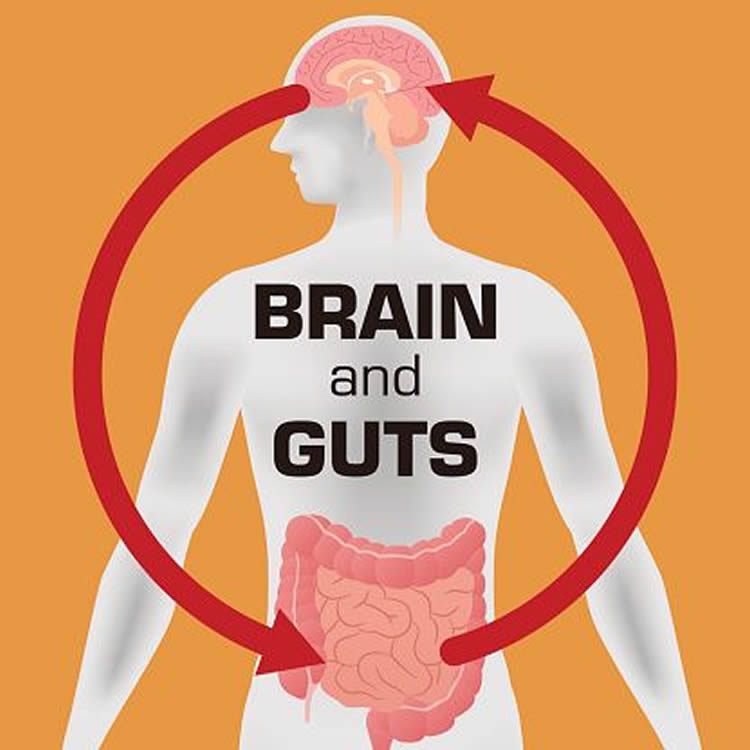
Of Guts and Brain: The Gut-Brain Axis
By: Ruth ShidloIf you are willing to make a few changes, “disease goes away as a side effect of health.” (Hyman, 2012, p. 29)
Read More
Why Staying Together for the Kids Isn’t Doing Anyone Any Favours
By: Micki Lavin-PellMicki Lavin-Pell, is a marriage and family therapist of 15+ years, married to Gaby Pell for nearly 18 years +4 kids. She specializes in helping couples navigate challenges at different stages of their lives and deal with attachment issues that often plague relationships using Emotionally Focused Couples therapy. She co-hosts a podcast featured on www.Jewishcoffeehouse.com, called Real Relationships and can be found on her website www.mickilavinpell.co.il
Read More.png)
The Art of Communicating Honestly and Responsibly (Part 1 of Winter Series 5786)
By: Yonatan SchechterExpressing feelings in marriage is essential, but it must be done honestly and responsibly to strengthen rather than damage your relationship.
Read More.png)
How to Connect With Your Partner in the Pandemic and Beyond
By: Judy MarkoseConsider this dream: you and your partner experience the pandemic with your marriage intact and your family even closer and more connected than ever. You can practice a more loving way of relating, with more kindness and giving. This blog offers practical tips for becoming a great communicator, being a generous listener, and adding gratitude to your relationship.
Read More
On Becoming a Personal Scientist: Living in the half-full glass
By: Ruth ShidloThe half-full glass is the antidote to the half-empty one.
Read More.png)
ADHD or Trauma?
By: Aviva Zahavi-AsaOver the last few decades, many children and adolescents have been receiving a diagnosis of ADHD at alarming rates. ADHD, which is typically understood as a brain or nervous system disorder which tends to be genetic in nature, is often identified when a child shows symptoms of inattention, distractibility, hyperactivity and/or impulsivity. What unfortunately often gets missed with a diagnosis of ADHD, however, is the possibility that traumatic events may be the source of these symptoms.
Read More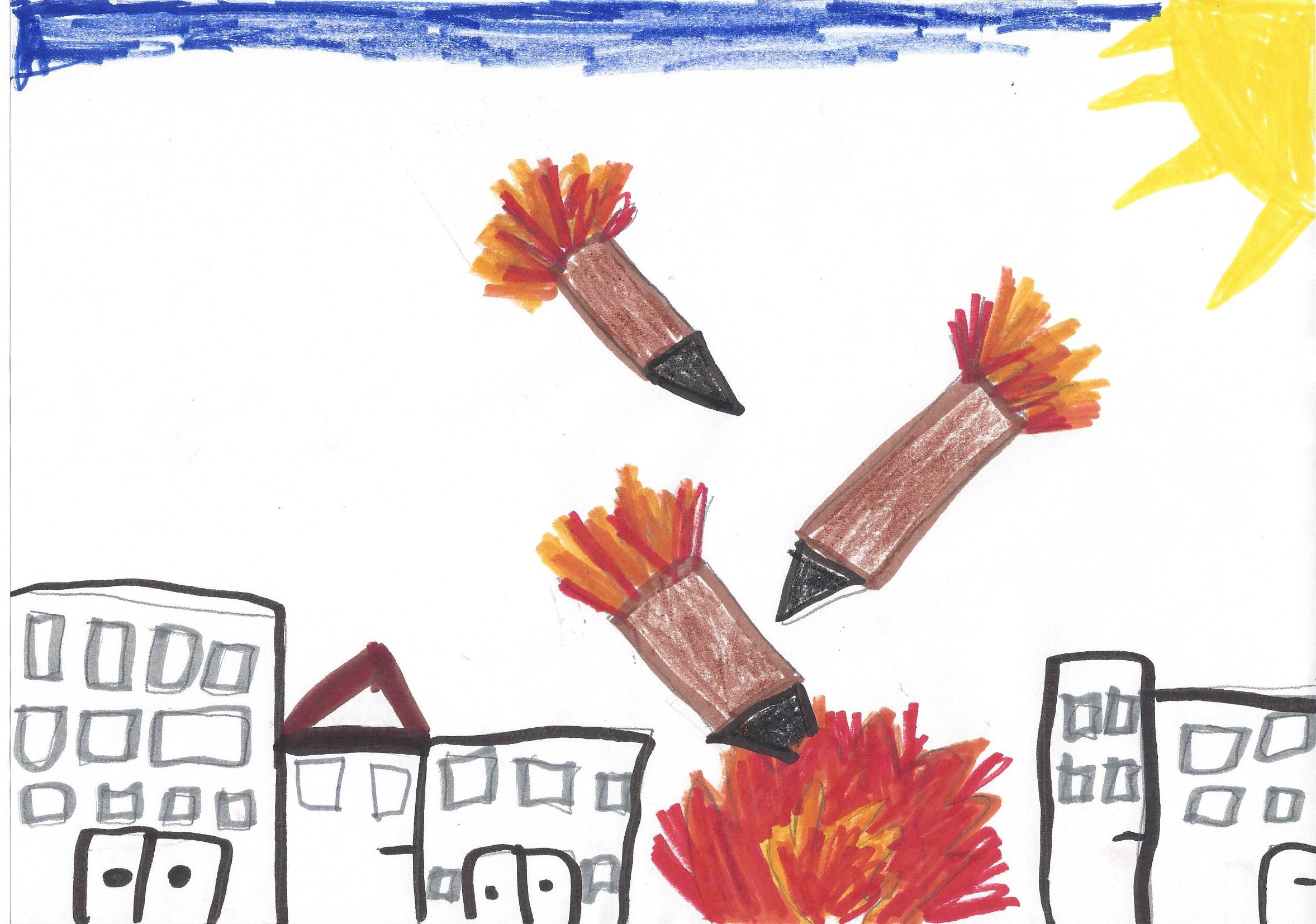
How to Emotionally Support Children During Challenging Times – Speaking to your children about recent rocket attacks in Israel
By: Sara FeinbergFollowing the recent rocket attacks, many parents have asked me how best to respond to their children and help them manage their concerns and fears. Just as we have all heard the booms and seen the news reports, our children too are well aware of what is happening. As parents it is our job to support them through these difficult times. Here are some recommendations that can help.
Read More.png)
Three Ways That Differentiation- Based Couples Therapy Changed My Life
By: Melanie LandauThe more that my sense of self is reflected to me by others the more I make myself vulnerable to be manipulated and gaslit. If I want to be loved, liked, appreciated by the other person more than I listen to myself then I set myself up for trouble.
Read MoreFor Soldiers and Reservists in Active Duty