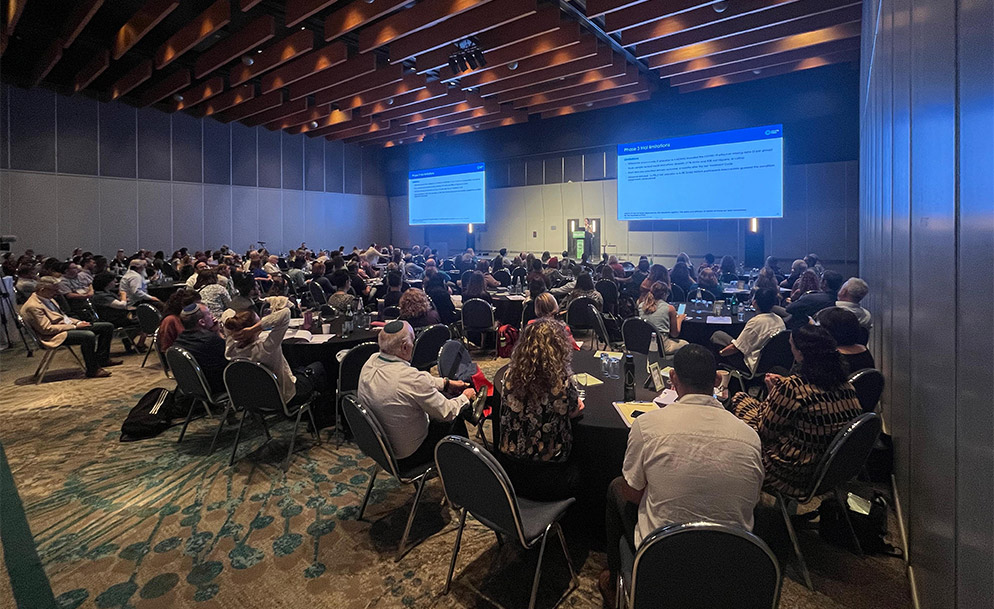


We are at a pivotal moment in the mental health field. In Israel today, nervous system dysregulation, chronic stress, and trauma are present in nearly every clinical conversation. Traditional talk therapy is no longer enough. Lasting healing begins when we acknowledge the body’s critical role in mental health and include it as a vital part of integrated therapeutic care.
This year’s conference brings together leading experts in somatic therapies, neuroscience, and trauma-informed care to equip clinicians across disciplines with the tools to work more effectively, more deeply, and more holistically.
Through a dynamic blend of clinical lectures, experiential workshops, and embodied practices, you’ll walk away with both intellectual insight and practical tools that can immediately enhance your work. This is more than a conference — it’s a professional recharge. You'll have the opportunity to engage with the material not only as a therapist, but also as a human being. It’s both intellectually rigorous and personally renewing.
This year also marks 10 years since Get Help Israel was founded - an important milestone in our mission to strengthen mental health care in Israel. We look forward to celebrating this moment together with you.
In a time when our nation is holding so much, this gathering is our way of caring for the people who have been caring for everyone else. We hope you’ll join us for this powerful, nourishing, and unforgettable experience.
This talk will explore the intricate relationship between the use of addictive substances and behaviors, resilience, and recovery from trauma - emphasizing the full spectrum of use, from low-risk patterns to problematic use and addiction. Mental health professionals across all settings inevitably encounter this spectrum and must be prepared to address it effectively in their practice.
In the first part of the presentation, we will examine the neurobiological and psychological mechanisms that underlie human behavior—our innate drive to seek pleasure and avoid pain. Within this framework, addictive substances and behaviors provide rapid and accessible forms of relief, but often at the cost of long-term well-being. This coping strategy can undermine five essential domains of resilience: physical, emotional, mental, social, and spiritual—all of which are critical for sustained resilience, recovery from trauma and post-traumatic growth.
The second part of the talk will confront the “elephant in the room”: the widespread yet frequently unspoken presence of substance use and addictive behaviors in clinical practice. Therapists must develop the skills to recognize and respond to these issues with empathy, clarity, and confidence. This segment will offer practical tools and clinical guidelines for engaging clients in open dialogue, maintaining a balance between compassion and concern, and adopting a dialectical approach that is both client-centered and directive. Attendees will receive concrete strategies to address substance use and addictive behaviors in their practice as part of supporting resilience and promoting recovery in trauma-affected individuals.
Dinner is included for conference guests staying at the hotel.
Participants may earn 3 CE credits for attending Ricki Bernstein’s presentations. To qualify, attendees must be present for both sessions (Day 1 and Day 2). CE credits are generously sponsored by Nefesh International. Click here for details on CE recognition.
Participants may earn 3 CE credits for attending Ricki Bernstein’s presentations. To qualify, attendees must be present for both sessions (Day 1 and Day 2). CE credits are generously sponsored by Nefesh International. Click here for details on CE recognition.









This year’s conference brings together leading voices from Israel and abroad.
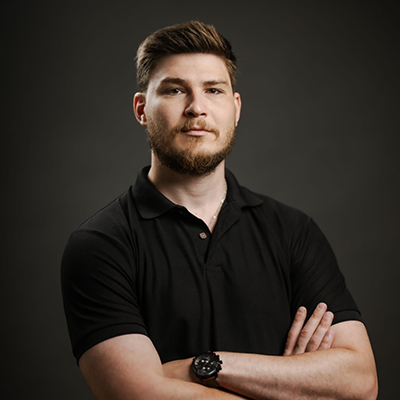
Sasha Trufanov immigrated to Israel from Russia with his parents at the age of three. The family settled in Kibbutz Nir Oz, in the south of the country.
As he grew up, he developed a deep and enduring love for the land. Although he had the opportunity to travel to many places around the world, he always felt truly at home only in Israel.
Sasha served in the army in an intelligence role and, following his discharge, pursued a degree in Electrical and Computer Engineering. He later worked in the high-tech industry at a company in the semiconductor field.
On October 7th, Sasha was kidnapped together with his mother, grandmother, and partner. His father, may his memory be blessed, was murdered.
After being released from captivity following 498 harrowing and challenging days, and as part of an ongoing rehabilitation process, Sasha came to understand that he must dedicate his life’s work to making a meaningful impact in areas that matter deeply to him — sharing his story to raise awareness about what occurred in captivity and afterward.

Glenn is the Hostage Debrief Team Leader and former Mossad Chief Psychologist.
Born and raised in New York City, he moved to Israel after high school and went on to serve more than three decades as an air force pilot, and special-forces psychologist specializing in combat trauma. During his tenure as Mossad Chief Psychologist, Glenn developed the 5 key, "ELITE" method for Resilience and Peak Performance.
Since October 7th, Glenn served for over 5 months in reserve duty with the IDF Hostage Negotiation Unit and was appointed as the first mental-health professional to meet the freed hostages upon their return to Israel. Subsequently, he authored Israel’s official protocol for receiving and debriefing returning hostages. Glenn leads the team of psychologists who have debriefed all 168 hostages released by October 2025.
Glenn offers a rare, behind-the-scenes perspective on the hostage crisis — what the captives endured, how they coped, and what their stories can teach us about resilience and post traumatic growth.
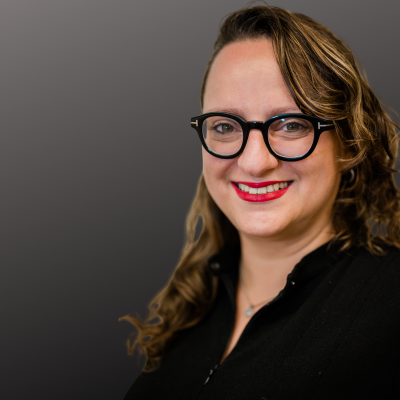
Gila is co-founder and Executive Director of ICAR Collective. Before co-founding ICAR in January 2024, Gila Tolub spent 20 years in strategic consulting including 12 years with McKinsey in Tel Aviv and Chicago.
Passionate about healthcare and its role in benefiting society, Gila has been focused on healthcare innovation, particularly in mental health and women’s health and served clients across the value chain: public health organizations, hospitals, pharma, medical devices, VC and PE firms as well as health tech startups at major inflection points in their growth.
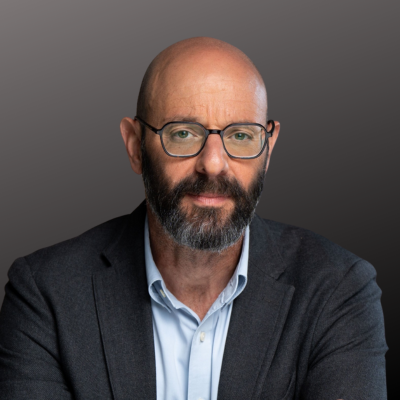
Professor Shauli Lev-Ran, MD, is an addiction psychiatrist and a leading expert in addiction treatment and research in Israel.
He is the co-founder and academic director of the Israel Center on Addiction and Mental Health (ICA), a Professor of Psychiatry at the Faculty of Medicine at Tel Aviv University, and an Affiliate Scientist at the Centre for Addiction and Mental Health (CAMH) in Toronto, Canada.
His academic and clinical work focus on addiction medicine, mental health, and public health, with a strong emphasis on evidence-based, systemic solutions to addiction and its societal impact.

Dr. Liron Rozenkrantz is a neuroscientist working at the intersection of health psychology, brain sciences, and psychobiology. She is a senior faculty member at the Azrieli Faculty of Medicine and at the Gonda Multidisciplinary Brain Research Center, both at Bar-Ilan University. Dr. Rozenkrantz heads the Psychobiology of Beliefs Lab, and directs the Master's Program in Health Sciences at the Faculty of Medicine.
She holds a PhD in neuroscience from the Weizmann Institute of Science and completed her postdoctoral training at MIT's Department of Brain and Cognitive Sciences and at Harvard Medical School, where she focused on placebo research.
Dr. Rozenkrantz leads innovative research lines examining how beliefs, expectations, and perceptions shape human health, from subjective experiences to objective biological function. Her work has earned her several prestigious honors: In 2020, she was named a "Rising Star" in Neuroscience by MIT’s McGovern Institute for Brain Research; in 2022, she was selected for TheMarker magazine’s “40 Under 40” list of promising Israelis across sectors; and in 2025, she was recognized as a “Rising Star” by the Association for Psychological Science, the largest international pscyhological association.
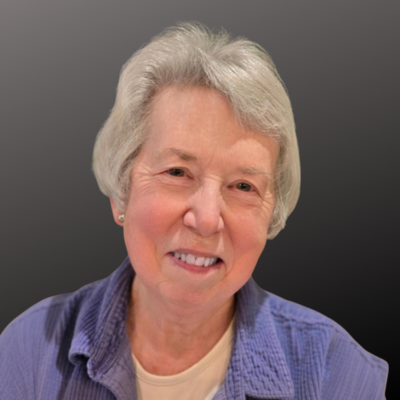
Bonnie J Kaplan, PhD, is Professor Emerita in the Cumming School of Medicine at the University of Calgary.
She then did postdoctoral training in neuroscience at Yale University School of Medicine, where she remained on faculty until moving to Canada in 1979.
Bonnie has published widely on the biological basis of developmental disorders and mental health – particularly, the contribution of nutrition to mental health. Her efforts to educate about the role of nutrition in brain health resulted in her selection in 2017 as one of 150 Canadian Difference Makers in Mental Health, in honour of Canada’s 150th birthday.
In 2019 she was honoured with the Dr. Rogers Prize for Excellence in Integrative, Complementary Medicine.
In 2021 she was chosen as one of the top “7 Over 70” in Calgary, partly for her book The Better Brain, written with Professor Julia Rucklidge and published by Harper Collins, as well as her two charitable funds supporting research by junior colleagues who study nutrition and mental health.
Her primary goal is to bring nutrition education and treatment to the forefront of mental health care.
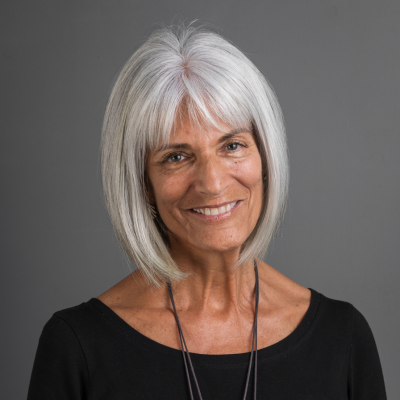
Ricki Bernstein, LMSW is a teacher, consultant and speaker who specializes in trauma treatment. Trained in EMDR, Brainspotting, Somatic Experiencing, Focusing, AEDP and classical homeopathy, Ricki brings a wide angle lens to her work.
Over the last decade, Ricki has developed her own version of somatic psychotherapy called Somatic Intervention, training over 1300 therapists throughout North America and Israel.
Since October 9, 2023, Ricki has been working with survivors of Kibbutz Be'eri. She was invited to be part of the debriefing team, meeting with former captives on their return from Gaza. The ongoing experience of those living in southern Israel inspired her to create a somatic toolkit to soothe and regulate the body-mind called sense your self.
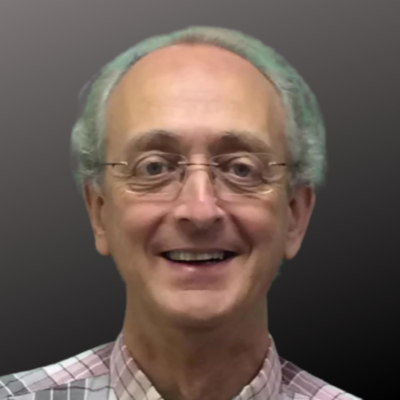
Dr. Danny Brom, founding director of Metiv: The Israel Psychotrauma Center, is an internationally renowned expert on trauma and resilience in the face of terror and disaster.
As Director of Metiv, he has brought his expertise in trauma to the fields of education, community resilience, health and mental health care to increase the capacity of Israeli society to cope with ongoing existential threats.
Dr. Brom served as Adjunct Associate Professor at the Paul Baerwald School of Social Work at Hebrew University in Jerusalem. He is former chair of the Israel Trauma Coalition and served as Director of Research for AMCHA, which provides psychosocial support for first and second generation Holocaust survivors. Internationally, he has provided trauma and resilience training and consulting to professionals and service providers in the wake of terrorism and disaster.
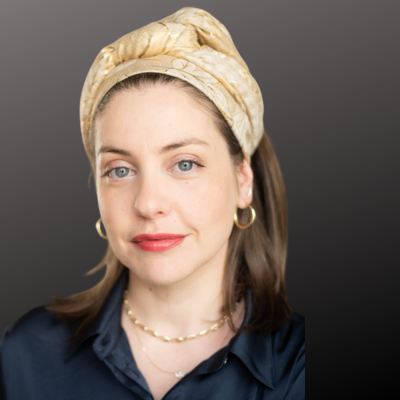
Shira Lankin Sheps, MSW, is a writer, editor, and therapeutic educator whose work sits at the intersection of mental health, Jewish identity, and personal narrative. She is the founder and director of The Shvilli Center, where she leads programs in expressive writing, communal healing, and women’s spiritual development.
Shira is an alumna of Hunter College School of Social Work, and has facilitated trauma-informed writing and reflection spaces for communities across Israel and the diaspora.
She is also the founder and editor of the internationally recognized Layers Project and the author of Layers; Stories of Struggle, Resilience, & Growth From Jewish Women, and author and editor of the Az Nashir anthology series.
Her work is grounded in the belief that healing emerges from connection—between body and mind, self and story, individual and community. She currently lives in Modiin with her family.
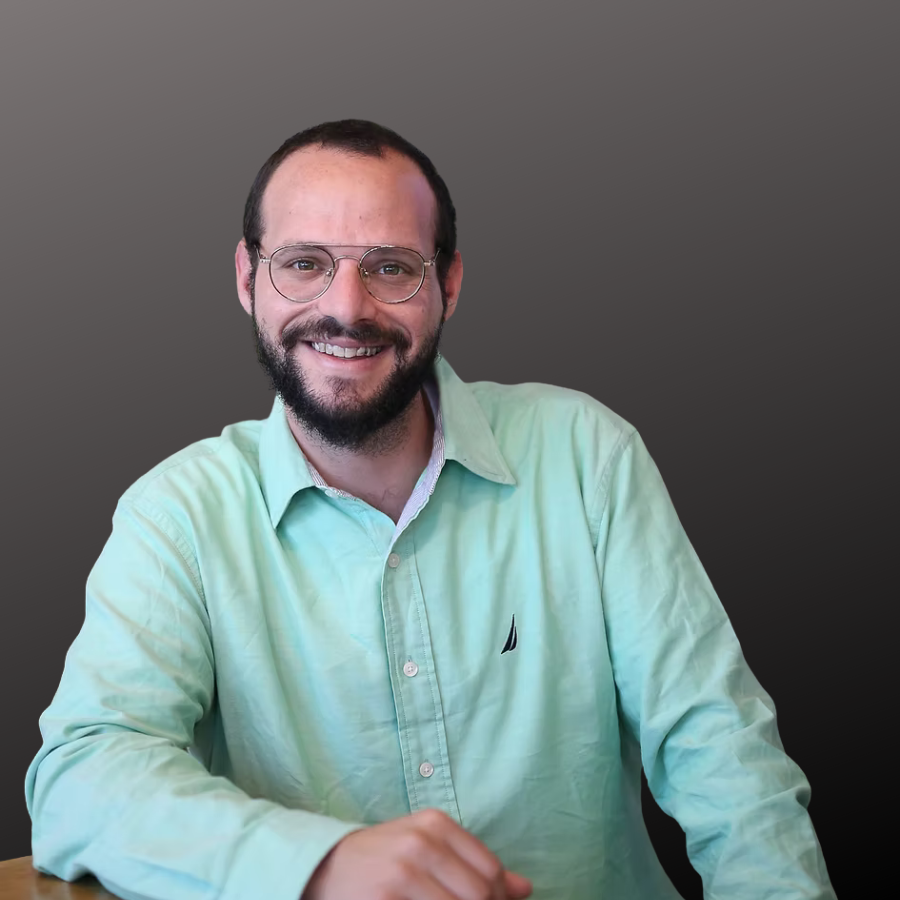
Pinni Baumol is a psychedelic therapist, harm reduction advocate, researcher, deputy director at Jerusalem's Shaare Nefesh Resilience Center, and co-founder and chairman of The Access Center for Psychedelic Therapy (ACPT).

Moish Feiglin, MSW is an integrative psychotherapist and experiential practitioner who supports clients on meaningful journeys of healing and self-discovery. His work is grounded in the belief that transformation arises from reconnecting with one’s authentic self and cultivating embodied presence.
As founder of Echo Healing, Moish leads breathwork groups, retreats, and meditation events across Israel and internationally, blending music, nature, and community into his offerings. He draws on a wide range of modalities, including mindfulness, breathwork, somatic therapy, and conventional psychotherapy.
His work honors the power of personal transformation within both relational and natural contexts.
In recent years, Moish has deepened his focus on mind-body-spirit approaches to healing by training in Focusing Oriented Breathwork Therapy (FOBT) at Machon Pashtut, the Psychedelic Assisted Psychotherapy program at Reichman University and MAPS Israel and is currently participating in the Timeless Wisdom Training with Dr Tomas Hubl.
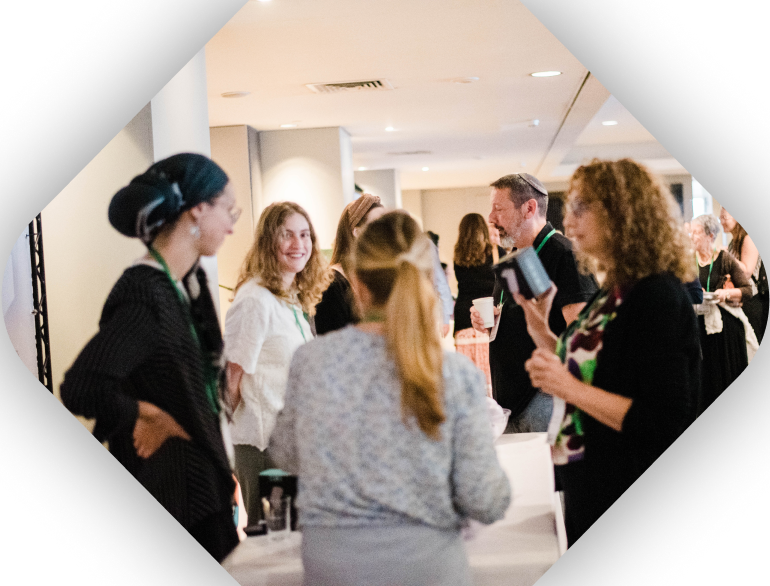
GHI events bring together English-speaking mental health professionals from across Israel and abroad — including private practice therapists, psychiatrists, thought leaders, and executives from hospitals, treatment centers, and non-profit organizations. Last year’s conference sold out. Don’t miss this year’s unforgettable event.

Two full days of evidence-based insights from top experts exploring the many ways the body informs and transforms mental health care, from somatic psychotherapy and trauma healing, to nutrition, ground-breaking research, embodied workshops, functional medicine, and more.

Move beyond theory with expert-led workshops designed to help you embody what you learn. Through guided practices, you’ll explore regulation, connection, and the power of the mind-body relationship in real time.

Enjoy a relaxed cocktail networking time to connect with colleagues, strengthen professional relationships, and catch up with old friends. Join us in celebrating 10 years of GHI and the incredible professional community that makes our mission possible.
Located along the Mediterranean shoreline, the Daniel Hotel in Herzliya offers a tranquil and inspiring setting that beautifully reflects the essence of our conference theme: the mind-body connection. At GHI, we are intentional about creating spaces that enhance the educational experience. Hosting the conference at the Daniel Hotel allows us to offer an atmosphere that supports nervous system regulation, emotional grounding, and embodied learning. This is not just about education—it’s about integration. Throughout the two-day event, participants will not only engage with high quality clinical content, but also immerse themselves in experiential workshops within an environment that reflects the principles we are teaching: safety, presence, and deep mind-body attunement.
We invite you to book a room at the Daniel Hotel, Herzliya and enjoy a special rate for attendees of the conference. Accommodations include breakfast and dinner at the hotel.

After having attended each GHI conference over the past few years, I am once again excited to attend this year's conference. The speakers on the roster are experts in the field. Each year I conclude the conference feeling energized, with new ideas and perspectives that I can apply to my clinical practice. And of course, the opportunity to network and strengthen professional relationships is invaluable. Thank you to all the organizers for putting together such a high quality event!

Since making Aliyah, GHI has been the place where I have most felt at home with colleagues that I can relate to, learn from, and grow together with. GHI’s professionalism, finger on the pulse, and ability to connect us to each other and to our field is remarkable. It creates a camaraderie that I look forward to for any of their events! I’m so grateful to GHI for their wonderful work and am super excited for the upcoming conference.

I’ve had the privilege of attending every GHI conference, and the most recent one was, without a doubt, one of the most outstanding yet! Aside from networking with colleagues from around the country, the content, quality, and variety of sessions surpassed many other conferences I’ve been to. High quality, English-language programming isn’t always easy to find in Israel - I’m so grateful GHI is here to make it happen.
GHI’s 2024 conference gave me a real high. The talks were thought-provoking and informative. The biggest energizing boost for me came from reconnecting with therapists I’ve met over the years, making interesting new connections, and overall feeling blessed to be part of such a dynamic professional community. Looking forward now to the 2025 conference!
GHI's 2024 conference was inspiring on both personal and professionals levels. The sessions offered were exciting, innovative, and best of all, I get to use what I learned with my clients. I am grateful to GHI for offering opportunities to learn from world renowned and approachable clinicians.

I’ve been attending the GHI conference since its very first year - not only for the high quality content and top speakers but also for the community. As a therapist in private practice, it can feel lonely at times not having colleagues around on a daily basis, and this conference offers a chance to connect, network, and build relationships in a warm and upscale setting. There’s great food, engaging discussions, and it’s always really enjoyable.
Get Help Israel (GHI) is the leading professional association serving the English-speaking mental health community in Israel. Since 2016, GHI has been at the forefront of advancing clinical excellence, professional collaboration, and public access to quality mental health care.
GHI brings together a diverse network of verified professionals, including psychologists, psychiatrists, psychotherapists, social workers, coaches, and counselors, offering a vital platform for interdisciplinary connection, growth, and peer support. We are committed to strengthening the field by fostering a culture of continued learning, ethical practice, and mutual collaboration.
Through an array of professional development initiatives, including workshops, conferences, and advanced training opportunities, GHI ensures that its members remain informed, skilled, and aligned with the latest evidence-based practices, emerging research, and evolving therapeutic approaches. Our dedication to ongoing education reflects our belief that high-quality care begins with well-supported clinicians.
In addition to supporting its members, GHI plays a pivotal role in making mental health care more accessible. Our online directory features a rigorously vetted roster of mental health professionals, helping individuals and families across Israel find the right care for their needs. To date, GHI has provided over 200,000 consultations to the English-speaking public.
We also offer a strong professional infrastructure, providing mentorship, ethical guidance, community resources, and a trusted space where clinicians can exchange ideas, find support, and make referrals.
At its core, Get Help Israel is committed to raising the standard of mental health care across the country. By empowering practitioners, advancing the field, and bridging the gap between clinicians and the communities they serve, GHI is helping to build a healthier, more connected society.
To learn more about our work or to apply for membership to the association, click here.
Our team is here to assist with any questions you may have about the event.
If you're interested in participating as a sponsor of the conference, please contact us using the form below, and we’ll be in touch shortly. Exhibitor booth space is limited and is subject to availability.
To request a group discount, please provide the full name and email of each person in the group in the form below. We will get back to you with a coupon code for your group.
Copyright © 2025 Mental Health Conference 2025. All Rights Reserved.