.png)

The GHI Fund proudly support soldiers, lone soldiers, and active reservists in funding trauma therapy via private practice multilingual therapists to provide imminent specialized care. Soldiers can select their own therapist through our database of participating therapists.
.png)
Cultivating Self-Care
By: Esther Avital GottesmanIn its most general sense, self-care is often equated with self-pampering. Given this notion, it can be seen as selfish. However, that idea is mistaken.
Read More
Get Grounded With Art
By: Yannah PopovitzCreative expression can be a soothing and releasing form of self care and help us find our anchor.
Read More
Earth, Water, Air, and Fire
By: Chava LedererThe four classical elements are channels through which we make contact with the present moment reality, and engage our uniquely human mind – a mind capable of creativity, of connecting to others, of faith and spirituality. I offer you these four elements as resources in moments of stress, panic, fear, or any other overwhelming experience.
Read More
Embracing Your Fear
By: Nancy SchwartzEight years ago when I was diagnosed with Lyme disease I had a deep-seated fear of never walking again; that I would never be able to take long aimless walks like the days before.
Read More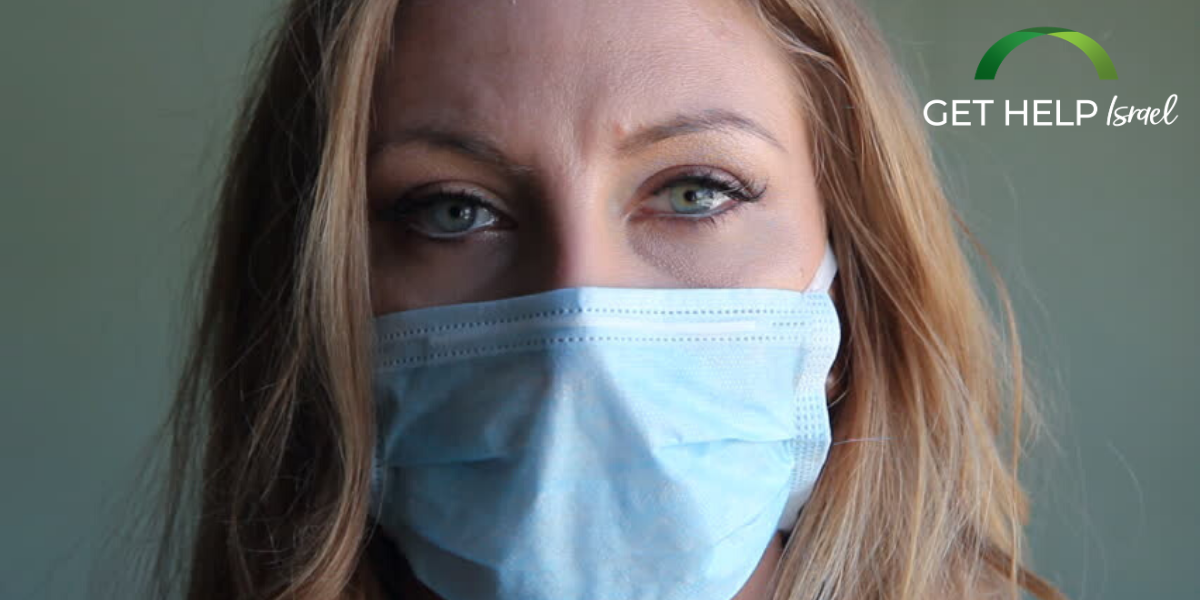
Challenges and Advise for People in Self-Quarantine
By: Linda AvitanSelf-quarantine is a situation that can be very stressful and challenging on many levels to oneself and one's relationships. This post examines the areas which may be challenging in an attempt to legitimize those difficulties. I offer the opportunity to reach out and seek ONLINE help in order to get through this trying period in a positive way.
Read More.png)
The Flip Side of Stress
By: Sasha WeissResearch has shown that when we are able to regulate our emotions in a stressful situation we are able to not only feel calmer but to also become more collaborative, creative and thrive.
Read More.png)
Can Adolescents Act Abusively?
By: Aviva Zahavi-AsaParents are often reluctant to admit that their teenager is acting in ways which are abusive due to their own feelings of guilt, shame or a sense of failure. In some of these cases, the adolescent was exposed to domestic violence or experienced abuse within the family at an earlier age and then repeats familiar family patterns at a later stage. In other cases, however, no history of abuse exists within the family.
Read More
Vulnerability Just Ahead
By: Nancy SchwartzIs feeling vulnerable a good thing? Many of us see it as a sign of weakness, as we’re not being good enough!! We’re afraid of not being seen by others as the “perfect” mother/father, spouse, child, worker, etc.
Read More
Ways to Manage Worry Instead of it Managing You – Part TWO
By: Daniel BaumIn part two of my blog, “Worry! Ways to Manage Worry Instead of it Managing You”, I am going to present to you some general recommendations and thoughts about dealing with worry.
Read More.png)
Who's Afraid of Retirement?
By: Rachel KaminetskyNavigating retirement is not only about filling your time or learning new skills. There is value in looking back, at what was, in addition to what’s next. There are relationships with others that will be impacted by retirement, and more than that; there is also the relationship with yourself.
Read More.png)
The Interplay of Dread AND Hope: Holding and Navigating Contrasting Emotions in Cultivating Resilience
By: Evelyn RappoportPeople often ask me: how it is possible to celebrate amid deep suffering and life-altering traumatic events that shatter any sense of safety or security and leave us in confusion and the unknown? Dread and Hope, though seemingly contradictory, can coexist in a complex dance that shapes the human experience. Here's how...
Read More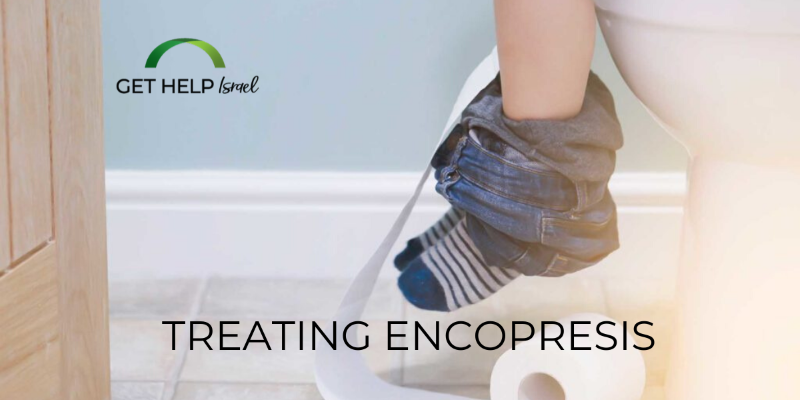
Encopresis: A Four-Pronged Treatment Approach
By: Sara FeinbergEncopresis, more commonly called “soiling” or fecal incontinence, refers to the involuntary passage of feces. Typically, this condition results from chronic constipation, but it can also be triggered by emotional issues. Encopresis, which has a 9% occurrence rate worldwide, is not considered to be a medical condition until a child is 4 years old. While encopresis is often very distressing to both the child and the family, it is treatable. The earlier treatment begins, the better the outcome. In my years of private practice as an art therapist, I have successfully treated many children with encopresis using the following four-pronged treatment approach.
Read More.png)
New Job Jitters
By: Sasha WeissWhen beginning a new job if you are constantly worried about failing and feeling like you need to prove yourself at every turn that can cause significant stress which will most likely hinder performance. Rather than engendering positive relationships and being open to learning, the fear of someone discovering shortcomings will be so pervasive that it will be very difficult to acclimate to the new position effectively. On the other hand, a growth mindset which encourages you to learn from others, think about mistakes as essential to the process of learning and acclimating and being open to a new way of doing things will lead you to have more joy and energy, feel less anxious, and make a good impression on your colleagues.
Read More.png)
Making the First Call: A Guide to Choosing the Right Therapist for You
By: Yisroel PickerDeciding to seek therapy is a courageous first step, but the initial phone call to a potential therapist can feel daunting. This guide is designed to empower you during that crucial conversation, moving beyond logistics to help you find the right fit. Discover the key questions that reveal a therapist's experience, approach, and, most importantly, their ability to create a safe and trusting connection with you.
Read More
Sating the Binge
By: Chava LedererBingeing is an issue of physiological needs and emotional nourishment. If we attend to these, we can find peace with food, our bodies, and our minds.
Read More.png)
Mindfulness in Therapy: More Than Just Breathing
By: Liron Kranzler
How mindfulness-based practices help you navigate overwhelm and pain, and come home to yourself.
Read More

Isolation Has Brought Us Together
By: Elan KartenWe’re in isolation, and isolation has brought us together.
.png)
From Good Intentions to Real Connection (Part 3 of Winter Series 5786)
By: Yonatan SchechterWhen couples find themselves trapped in conflict despite good intentions, the path forward begins within.
Read More.png)
Opening the Emotion Valve: Challenges and Strategies
By: Yonatan SchechterEmotional growth is hard-won, but with the right approach, it is within anyone's reach.
Read MoreFor Soldiers and Reservists in Active Duty