
The GHI Fund proudly support soldiers, lone soldiers, and active reservists in funding trauma therapy via private practice multilingual therapists to provide imminent specialized care. Soldiers can select their own therapist through our database of participating therapists.
At Home Therapeutic Art Activities for Children During Global Pandemic
By: Sara FeinbergDuring challenging times, it is important to encourage children to express how they are feeling. Children often have difficulty articulating their emotions verbally- communicating through art or play is a great alternative. This can serve as a cathartic release, empower them, and help them process new circumstances.
Read More
Fundamentals of Trauma Recovery, Part 8/8
By: Chava LedererBy tackling pieces of your recovery to tackle that are ever-so-small, you ensure your success; this will build greater self-confidence and foundations for each further success.
Read More
To Be Mindful Or Not To Be
By: Chava LedererSo, I encourage mindfulness. I invite my clients to be mindful: to attend, without judgment, to the present moment. I invite them to notice themselves, and use that awareness to inform their next move.
Read More
My Unorthodox life: Exploring Differences of Opinion in Couplehood
By: Micki Lavin-PellWhen I work with couples through dealing with differences, whether it be religious or any other practice or want, I help the couple explore their deeper feelings around their differences of opinion and differences of practice. Couples deal with all kinds of differences. Some examples are issues around health and fitness, what kinds of food enters the home, what kinds of media are allowed, how to use finances, what dress represents members of the home, places to hang out and where not to go, how much time to spend together, what to do with the time they spend together, where to go on vacation, to name but a few.
Read More
What Makes Us Miss Relationship Red Flags?
By: Micki Lavin-PellHave you come out of a relationship recently where you feel like banging your head against a wall because yet again you’ve dated someone who turned out to be a bad apple? So you go into this mantra of telling yourself there must be no good people to date, because everyone you go out with ends badly.
Your dating pattern may look something like this. You meet someone, they make you feel really good in the beginning, they treat you nicely, take you to nice places and show you a good time. Then slowly they show less interest in you. Maybe they distance themselves from you, start saying things that are hurtful, or seem to care less about your opinion?

Earth, Water, Air, and Fire
By: Chava LedererThe four classical elements are channels through which we make contact with the present moment reality, and engage our uniquely human mind – a mind capable of creativity, of connecting to others, of faith and spirituality. I offer you these four elements as resources in moments of stress, panic, fear, or any other overwhelming experience.
Read More
Challenges and Advise for People in Self-Quarantine
By: Linda AvitanSelf-quarantine is a situation that can be very stressful and challenging on many levels to oneself and one's relationships. This post examines the areas which may be challenging in an attempt to legitimize those difficulties. I offer the opportunity to reach out and seek ONLINE help in order to get through this trying period in a positive way.
Read More.png)
Israel Wartime Anxiety: 3 Emotion-Focused Therapy Tips
By: Daniel FundThe more we turn towards the pain and express unmet needs, and not avoid them, the less anxious we will be.
Read More
Beginnings & Endings: Making Sense of Life Changes
By: Keren BurgmanThe holiday season has ended, the parties and festivities subsided, and we come back to…
Read More.png)
PERFECTIONISM is the Enemy of FREEDOM
By: Tanya ProchkoIt's getting close to Pesach and I'm thinking: what do I want to focus on at my seder table with my adolescent children who can now carry intelligent conversations and think about things in a deeper and more complex way? Afterall, our exodus from Egypt is not just a historical event and with kids, the way to facilitate spiritual connection is through relatable modern-day experiences. The obvious answer would be to focus on what each of us finds ourselves enslaved to in our lives and how we can access our personal freedom, but we've been down that road before and it hadn't hit home the way I'd want a good juicy introspective theme to do. So, I came up with IMPERFECTION
Read More.png)
Chewbacca Visits: The Power of a Dream
By: Robin B. ZeigerDreams bring images and messages from the depths of our soul. It is our psyche’s way of compensating for our conscious life, which is only one-half of our life-story. Our dream life brings a richness and ebb and flow to our daily existence. Likewise when we are in touch with our unconscious, there is a flow to our daily existence much like the ebb and flow of the waves of the sea. Our unconscious helps bring us light and creativity and vitality.
Read More.png)
Three Ways That Differentiation- Based Couples Therapy Changed My Life
By: Melanie LandauThe more that my sense of self is reflected to me by others the more I make myself vulnerable to be manipulated and gaslit. If I want to be loved, liked, appreciated by the other person more than I listen to myself then I set myself up for trouble.
Read More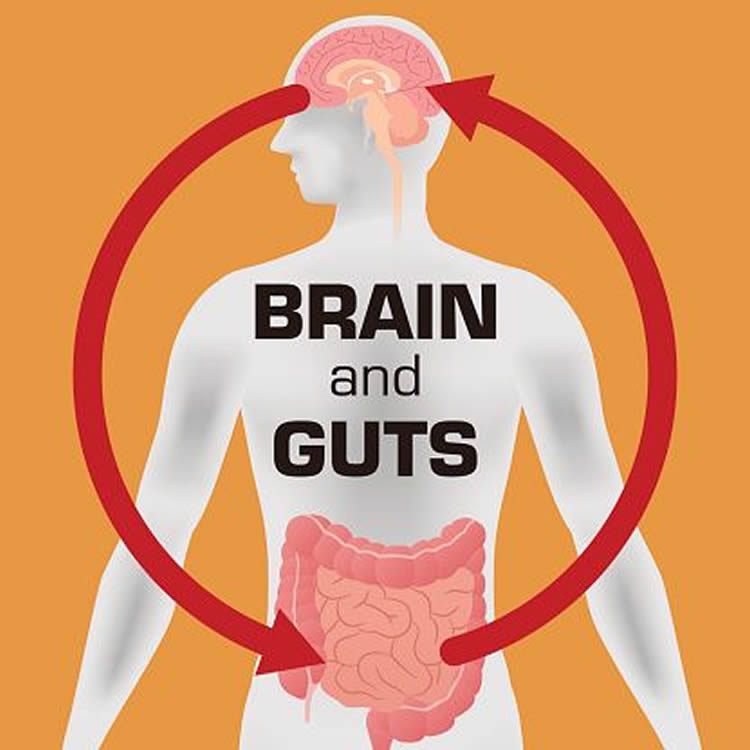
Of Guts and Brain: The Gut-Brain Axis
By: Ruth ShidloIf you are willing to make a few changes, “disease goes away as a side effect of health.” (Hyman, 2012, p. 29)
Read More.png)
The Flip Side of Stress
By: Sasha WeissResearch has shown that when we are able to regulate our emotions in a stressful situation we are able to not only feel calmer but to also become more collaborative, creative and thrive.
Read More
Get Grounded With Art
By: Yannah PopovitzCreative expression can be a soothing and releasing form of self care and help us find our anchor.
Read More
Showing Up Just The Way You Are
By: Keren BurgmanAs we approach the holiday season and celebrations are upon us we can feel very…
Read More.png)
Shining Light on Feelings
By: Yannah PopovitzWhen we are able to just be with whatever we are feeling and experiencing, without judgement or an agenda we bring light
Read More
Is Anxiety Killing Your Chances of Finding Love?
By: Micki Lavin-PellAnna, a 35-year old, slim, petite and attractive brunette woman from Miami Beach had been…
Read More.png)
From Good Intentions to Real Connection (Part 3 of Winter Series 5786)
By: Yonatan SchechterWhen couples find themselves trapped in conflict despite good intentions, the path forward begins within.
Read More.png)
Bagruyot Testing Accommodations for Olim
By: Michael RothThe primary focus here will be on accommodations for the Israeli Bagruyot. Providing accommodations at the Elementary school level is usually at the discretion of the school based upon psycho-educational testing. The Elementary school is not obligated in any way to provide the recommended accommodations and likewise can decide to allow them without a specific recommendation. There is no regulatory body regarding testing accommodations at the Elementary level.
Read MoreFor Soldiers and Reservists in Active Duty