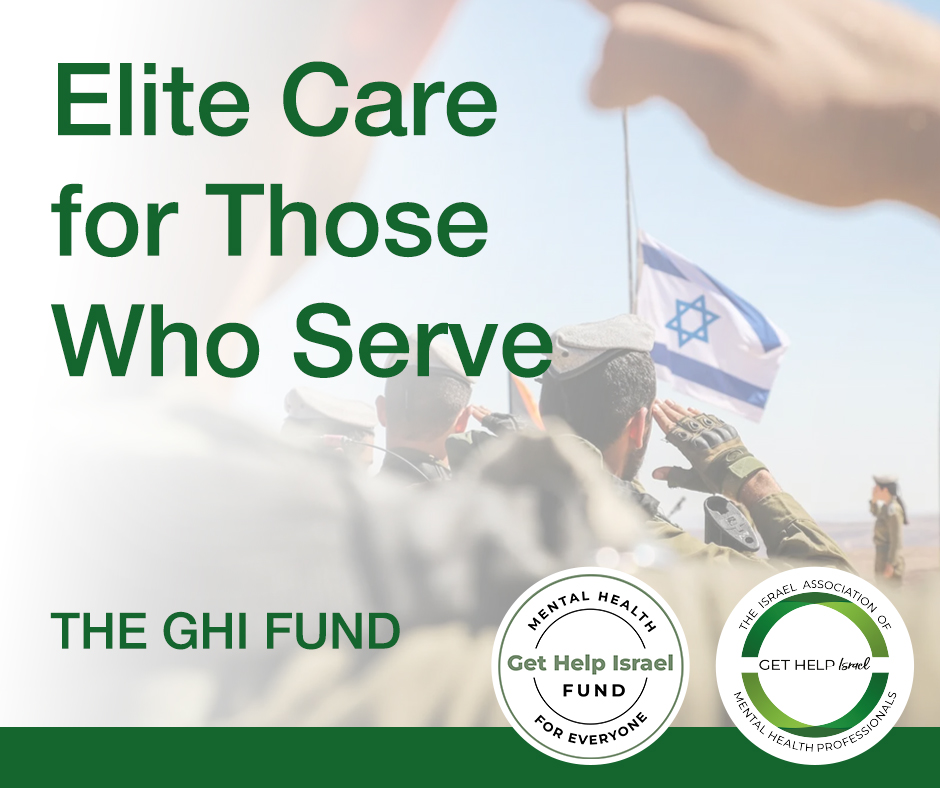
The GHI Fund proudly support soldiers, lone soldiers, and active reservists in funding trauma therapy via private practice multilingual therapists to provide imminent specialized care. Soldiers can select their own therapist through our database of participating therapists.

Fundamentals of Trauma Recovery, Part 4
By: Chava LedererForgive yourself for not having foreseen, protected, or responded more effectively during the trauma.
Read More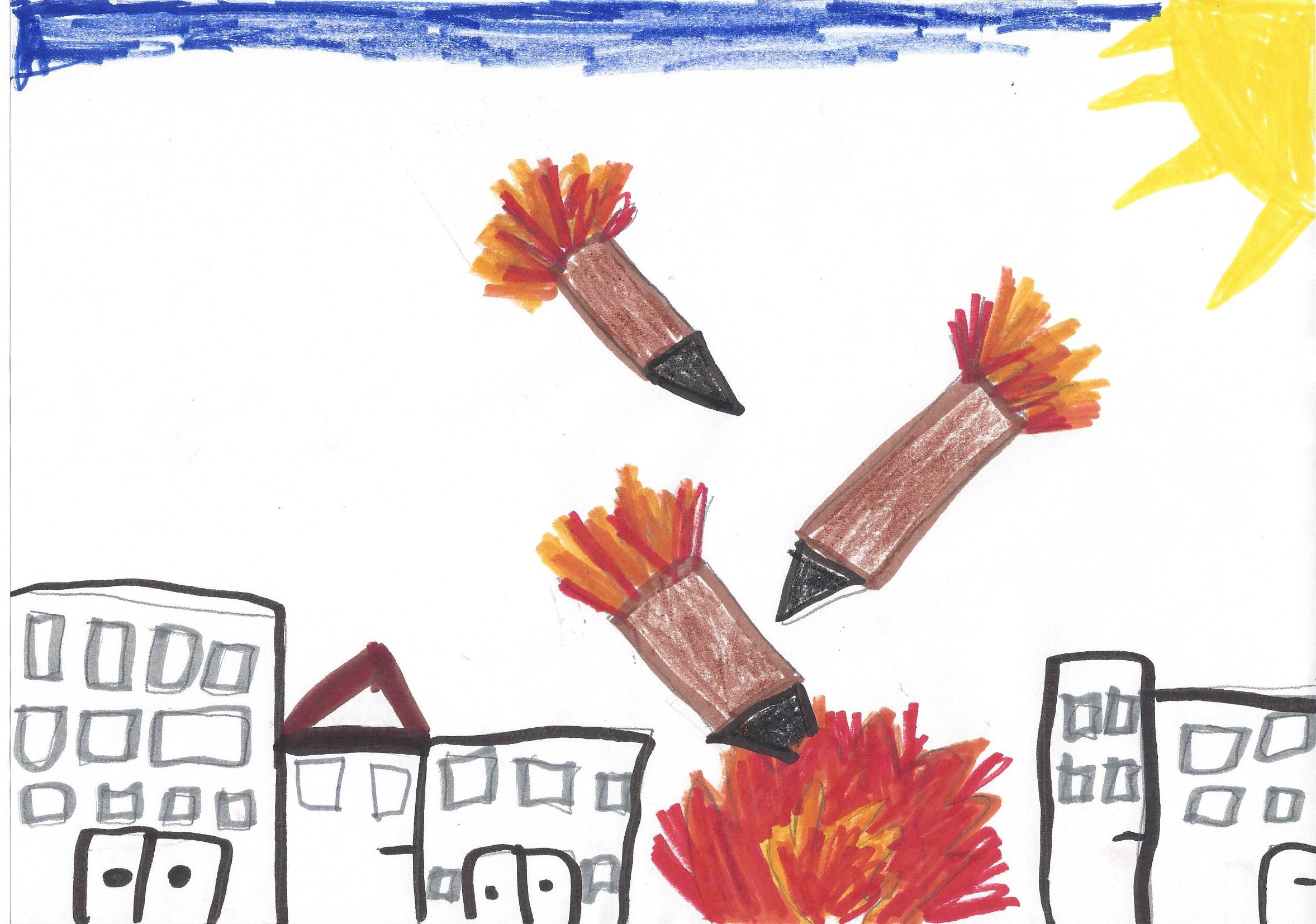
How to Emotionally Support Children During Challenging Times – Speaking to your children about recent rocket attacks in Israel
By: Sara FeinbergFollowing the recent rocket attacks, many parents have asked me how best to respond to their children and help them manage their concerns and fears. Just as we have all heard the booms and seen the news reports, our children too are well aware of what is happening. As parents it is our job to support them through these difficult times. Here are some recommendations that can help.
Read More.png)
Can You FIX her?
By: Daniel FundThe short answer? You cannot "fix" your wife. But you don't need to. You need something else a whole lot better...
Read More
Dying at a Distance: Grief During Covid
By: Jeanne LankinHumans are incredibly resilient. I am constantly in awe of the people that I speak to, in my role as a bereavement therapist, who are creating amended rituals to help them cope with their painful losses. There is no correct answer to our predicament. It feels unfair to be deprived of the comfort of our traditions that help guide and heal mourners. However, we can try to creatively engage in meaningful adaptations of our rituals during this crisis to help us process our grief.
Read More
Re-Frame Rejection so You Can Successfully Move Forward in Relationships
By: Micki Lavin-PellI have been rejected more times than I can count. By friends, boys, jobs, my kids, you name it… One of my most memorable rejections happened while in 6th grade. My English teacher encouraged us to write a journal, which I kept "hidden" in my desk. In it, I wrote all about a crush I had on a boy named Joey, a fellow classmate. I forgot that in the morning we sat at one desk and in the afternoon another. A fellow classmate found my journal and proceeded to read that very entry aloud to the entire class during recess.
Read More
At Home Therapeutic Art Activities for Children During Global Pandemic
By: Sara FeinbergDuring challenging times, it is important to encourage children to express how they are feeling. Children often have difficulty articulating their emotions verbally- communicating through art or play is a great alternative. This can serve as a cathartic release, empower them, and help them process new circumstances.
Read More.png)
The Pike Phenomenon: A Lesson for an Empowered Life
By: Elan KartenIn Proverbs, King Solomon taught the sluggard to go and learn from an ant. More recently, researchers have taught us that we should go and learn from a fish. Move over, Grandma! There’s much more to pike than just gefilte fish.
Read More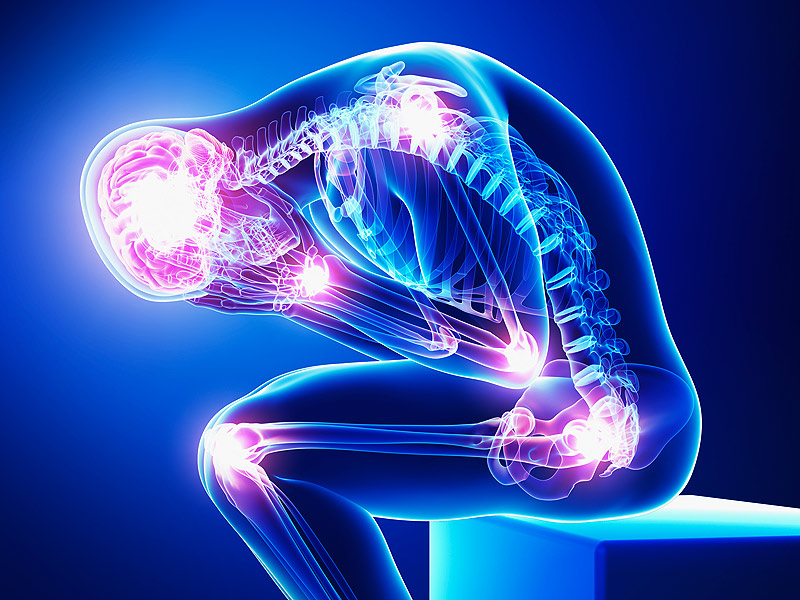
Valuable Tips to Manage Pain
By: Ruth ShidloGiven what we know today, it appears likely that unresolved trauma, whether minor or major, plays a role in the persistence of chronic pain, through mechanisms of kindling (a self-perpetuating phenomenon of neural excitation) and priming (in which the brain readies itself to respond a certain way), that cause us to continually brace ourselves against the threat that caused the pain or the internal threat of pain itself. This is great news, because it means that to the extent that the trauma is worked through at the body/mind level, the pain should either disappear or lessen.
Read More.png)
How to Connect With Your Partner in the Pandemic and Beyond
By: Judy MarkoseConsider this dream: you and your partner experience the pandemic with your marriage intact and your family even closer and more connected than ever. You can practice a more loving way of relating, with more kindness and giving. This blog offers practical tips for becoming a great communicator, being a generous listener, and adding gratitude to your relationship.
Read More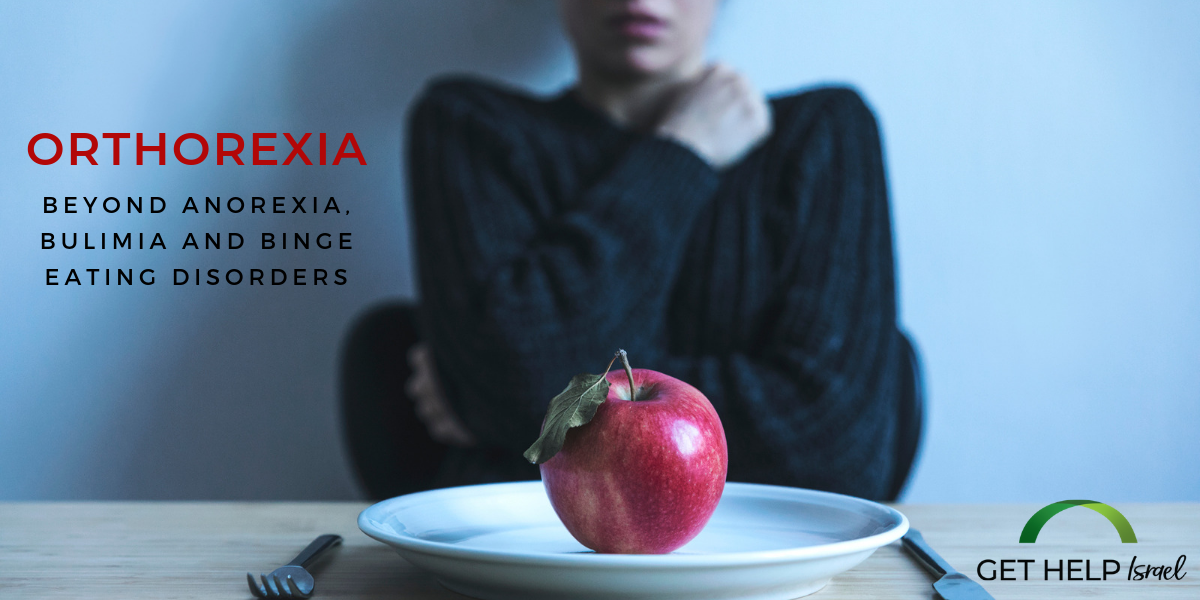
Beyond Anorexia, Bulimia and Binge Eating Disorder: Understanding The Spectrum of Disordered Eating Behaviours
By: Hadassah (Johanna) Hazan
I feel frustrated when people dismiss lesser well-known disordered eating behaviours. My experience has led me to very confidently believe, that no one ends up in these sort of patterns, without there being something else going on, something that feels as if it requires some sort of distraction from, or total obliteration of. These things need healing. If they aren’t, they persist and the behaviours (coping mechanisms) developed to deal with them become harder to shift out of, thus limiting a person’s life ever more destructively.
Read More
.png)
Why You Should Go to Sleep Angry
By: Yonatan SchechterContrary to popular wisdom, going to sleep angry is often the best strategy for couples in conflict. Time and rest allow emotions to settle and perspective to return, making successful reconciliation far more likely than late-night attempts when both parties are exhausted and agitated.
Read More
The Wondrous “Black Sheep”: the Truth Teller of a Family
By: Keren BurgmanHow often have you heard someone describing their family and either talking about a sibling…
Read More
Fundamentals of Trauma Recovery, Part 3
By: Chava LedererWhile extremely distressing, flashbacks are actually memories. Registering what is a memory, and what is happening now, is essential.
Read More.png)
Canary in the Coal Mine
By: Hadassah (Johanna) HazanThis article is essentially a tool of empowerment for people who may identify as highly sensitive or perceptive; who have grown up in dysfunctional or abusive systems, and who have found themselves treated as if they are the problem.
Read MoreFor Soldiers and Reservists in Active Duty