
The GHI Fund proudly support soldiers, lone soldiers, and active reservists in funding trauma therapy via private practice multilingual therapists to provide imminent specialized care. Soldiers can select their own therapist through our database of participating therapists.

Separation Anxiety
By: Jeni DantoWhen we hear the term “Separation Anxiety,” we often think of young children off to pre-school, crying because they don’t want their parents to leave. But Separation Anxiety can come any time your child leaves the nest — especially at college age. And it’s not just limited to the child — parents can also experience Separation Anxiety when their child leaves them.
Read More.png)
Why You Should Go to Sleep Angry
By: Yonatan SchechterContrary to popular wisdom, going to sleep angry is often the best strategy for couples in conflict. Time and rest allow emotions to settle and perspective to return, making successful reconciliation far more likely than late-night attempts when both parties are exhausted and agitated.
Read More.png)
Finding Home Within
By: Naomi ZaudererMoving to a new country can feel overwhelming, but settling in is about more than just checking off tasks—it’s about finding a sense of home within yourself. This post explores the emotional side of acclimating to life in Israel, offering reflections on embracing uncertainty, building small rituals, and trusting yourself through the transition. Whether you're struggling with daily frustrations or seeking a deeper sense of belonging, this guide offers a compassionate perspective on navigating change.
Read More
Ways to Manage Worry Instead of it Managing You – Part One
By: Daniel BaumMy goal, after you finish reading this blog is that you will get a more comprehensive understanding of toxic worry and the tools to help you manage it better. Managing your worrying in a healthier way will allow you to free yourself, increase your energy level and give you a greater ability to love yourself and others. Worry only inhibits the expression of love.
Read More.png)
The Emotion Valve
By: Yonatan SchechterWhen someone is friendly, capable, and well-liked yet can't seem to make a relationship work, the answer may lie not in who they are today, but in who they had to become in childhood.
Read More
Embracing Your Fear
By: Nancy SchwartzEight years ago when I was diagnosed with Lyme disease I had a deep-seated fear of never walking again; that I would never be able to take long aimless walks like the days before.
Read More
What is Somatic Experiencing (SE) ?
By: Ruth ShidloAs a body-mind practitioner and clinical psychologist, I have found that incorporating principles of Somatic Experiencing (SE) into my practice has provided me with a whole new way of helping people move on with their lives when stressed, anxious, depressed, traumatized, or otherwise in pain (including living with chronic pain). So what then, is Somatic Experiencing, and how does it work?
Read More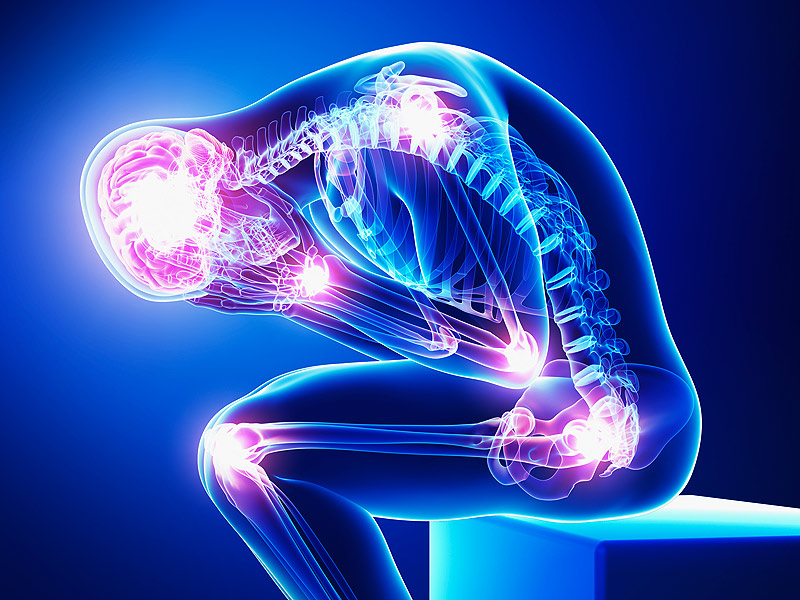
Valuable Tips to Manage Pain
By: Ruth ShidloGiven what we know today, it appears likely that unresolved trauma, whether minor or major, plays a role in the persistence of chronic pain, through mechanisms of kindling (a self-perpetuating phenomenon of neural excitation) and priming (in which the brain readies itself to respond a certain way), that cause us to continually brace ourselves against the threat that caused the pain or the internal threat of pain itself. This is great news, because it means that to the extent that the trauma is worked through at the body/mind level, the pain should either disappear or lessen.
Read More.png)
Am I Depressed or Just Sad?
By: Jeni DantoGrowing up, I remember people saying, “I’m so depressed.” What made them so depressed? Various…
Read More.png)
Opening the Emotion Valve: Challenges and Strategies
By: Yonatan SchechterEmotional growth is hard-won, but with the right approach, it is within anyone's reach.
Read More.png)
Can You Commit to Love Without All the Facts?
By: Micki Lavin-PellWhen we choose to marry, we often don't know everything. There are often things that are missing. After all, we haven’t seen how our partner behaves in a variety of circumstances, many of which they haven’t yet encountered. But more importantly we don’t always know ourselves. So we search for things to worry about in our partner in hopes of having some level of control. Not wanting to come to terms with the fact that we can't control the other. However, there is one element of control, and this lies within ourselves.
Read More
The CYCLE: The Key to Rebuilding Your Marriage
By: Daniel FundSomething was comin' there way and it was no good... Shira and David find themselves in a vicious cycle that they are both trapped in for years. They fall back to their default coping styles which continue failing them. In fact, we all fall back to these coping styles...
Read More
Fundamentals of Trauma Recovery, Part 6
By: Chava LedererIn building muscle, you will literally build your container to bear it all. When your container is fortified, recovery will be easier.
Read More.png)
The Art of Communicating Honestly and Responsibly (Part 1 of Winter Series 5786)
By: Yonatan SchechterExpressing feelings in marriage is essential, but it must be done honestly and responsibly to strengthen rather than damage your relationship.
Read More.png)
Lesson from a Construction Site: Don't Dismiss the Scaffolding in Your Relationships
By: Yonatan SchechterMarriages, like buildings, sometimes need scaffolding - temporary, unglamorous interventions - that provide the platform needed to repair damage and build a strong, lasting structure.
Read More.png)
Imagination Makes Sense
By: Sara JacoboviciWe are sensory beings, and one of the earliest abilities that we acquire is imagination. Imagination allows us to form mental images of things not currently sensed, simulate possible future scenarios, create novel ideas, and engage in symbolic thinking.
Read More
Fundamentals of Trauma Recovery, Part 7
By: Chava LedererFinding meaning, creating purpose, and gaining control is a recipe that results in greater resilience and fuller recovery.
Read More
Hope and Healing: From Warsaw to Jerusalem
By: Micki Lavin-PellIt was amazing how the strength of the comradery of the women enabled them to shift their view of themselves and their experience of MRKH from one in which they were hard done by and less of a woman, to feeling special. They were able to explore the possibilities that having MRKH presented to them. They also recognized the hope and possibilities that lay within their situation, on many levels. When the women started the workshop, many were nervous and fidgety. By the end, they were sitting up straight with big smiles on their faces and hope in their eyes.
What I learned was that we can all be hope experts, as we have all experienced life challenges. The more we recognize the challenges that we endured, remove the shame connected to those challenges and celebrate the accomplishments, the better able we can help others feel more hopeful too.
Read More
How to Create a Sense of Normalcy at Home While Navigating the New Normal
By: Karen BurgmanCovid brings with it feelings of anxiety, stress and uncertainty. Though children deal with emotions in different ways, your child has been faced with school closures, cancelled events or separation from friends, they are going to need to feel loved and supported now more than ever.
Read More.png)
Simcha Guilt
By: Elan KartenA therapist reflects on his sleeplessness on the eve of his son's wedding.
Read MoreFor Soldiers and Reservists in Active Duty