
The GHI Fund proudly support soldiers, lone soldiers, and active reservists in funding trauma therapy via private practice multilingual therapists to provide imminent specialized care. Soldiers can select their own therapist through our database of participating therapists.
.png)
Can You FIX her?
By: Daniel FundThe short answer? You cannot "fix" your wife. But you don't need to. You need something else a whole lot better...
Read More.png)
Understanding Group Therapy: Benefits, Core Principles, and Distinctions
By: Malka CohnTherapists often discuss the need for their clients to have supplemental support and another avenue for self-growth and reflection. Group Therapy, also known as a Process Group is more than support. It is a social microcosm where personal struggles are discussed in the here-and-now. While sharing similar benefits as other group models, it becomes a living family dynamic where members can support, challenge and model healthy interactions with guidance of the therapist group leader.
Read More
The Wondrous “Black Sheep”: the Truth Teller of a Family
By: Keren BurgmanHow often have you heard someone describing their family and either talking about a sibling…
Read More
Making Space for Personal Growth
By: Robert NewmanBeing too busy is a dis-ease of modern society
Read More
Showing Up Just The Way You Are
By: Keren BurgmanAs we approach the holiday season and celebrations are upon us we can feel very…
Read More
Fundamentals of Trauma Recovery, Part 5
By: Chava LedererIf you feel ashamed in relation to any part of your trauma, you deserve to connect with others and experience the relief that comes with dissipating shame.
Read More.png)
Opening the Emotion Valve: Challenges and Strategies
By: Yonatan SchechterEmotional growth is hard-won, but with the right approach, it is within anyone's reach.
Read More.png)
Chewbacca Visits: The Power of a Dream
By: Robin B. ZeigerDreams bring images and messages from the depths of our soul. It is our psyche’s way of compensating for our conscious life, which is only one-half of our life-story. Our dream life brings a richness and ebb and flow to our daily existence. Likewise when we are in touch with our unconscious, there is a flow to our daily existence much like the ebb and flow of the waves of the sea. Our unconscious helps bring us light and creativity and vitality.
Read More
Fundamentals of Trauma Recovery, Part 8/8
By: Chava LedererBy tackling pieces of your recovery to tackle that are ever-so-small, you ensure your success; this will build greater self-confidence and foundations for each further success.
Read More
Why Invest in Your Relationship Skills Before You Even Find Love?
By: Micki Lavin-PellNo one wants to live with a feeling that disaster can strike at any time….
Read More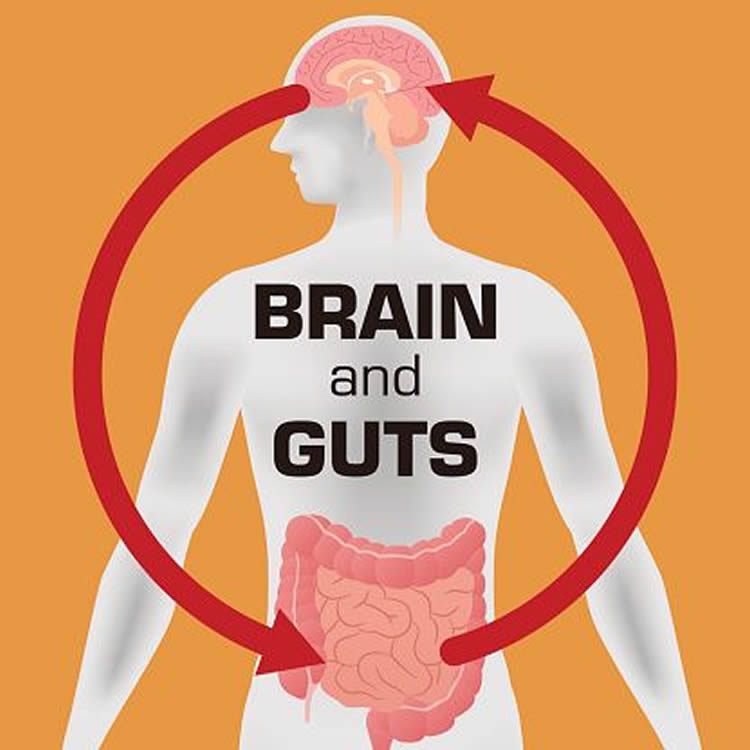
Of Guts and Brain: The Gut-Brain Axis
By: Ruth ShidloIf you are willing to make a few changes, “disease goes away as a side effect of health.” (Hyman, 2012, p. 29)
Read More
Fundamentals of Trauma Recovery, Part 3
By: Chava LedererWhile extremely distressing, flashbacks are actually memories. Registering what is a memory, and what is happening now, is essential.
Read More.png)
Seen, Heard, Felt: Why AI Falls Short in the Therapy Room
By: Yisroel PickerThinking of using an AI app for mental health? It might offer tips, but it can't replace a therapist. AI lacks intuition, can't read the room, and doesn't understand complex human nuance like a trained professional does. Learn why the human connection is still essential for navigating your mental well-being effectively.
Read More
Fundamentals of Trauma Recovery, Part 4
By: Chava LedererForgive yourself for not having foreseen, protected, or responded more effectively during the trauma.
Read More.png)
The Interplay of Dread AND Hope: Holding and Navigating Contrasting Emotions in Cultivating Resilience
By: Evelyn RappoportPeople often ask me: how it is possible to celebrate amid deep suffering and life-altering traumatic events that shatter any sense of safety or security and leave us in confusion and the unknown? Dread and Hope, though seemingly contradictory, can coexist in a complex dance that shapes the human experience. Here's how...
Read More.png)
Canary in the Coal Mine
By: Hadassah (Johanna) HazanThis article is essentially a tool of empowerment for people who may identify as highly sensitive or perceptive; who have grown up in dysfunctional or abusive systems, and who have found themselves treated as if they are the problem.
Read More.png)
Survivorship Bias: Missing Planes and Missing Data
By: Yisroel PickerSurvivorship bias is like the WWII military only looking at bullet holes in planes that returned, while ignoring the ones that crashed. In the same way, we copy the 'hustle' of famous billionaires and think it’s a blueprint, forgetting the thousands of people who did the exact same thing and failed. If you only look at the survivors, you’re missing the full picture of the risks you’re actually taking. To truly survive, you have to stop obsessing over the winners and start looking at the planes that never made it home.
Read More.png)
Grief in the Desert: Moshe, Miriam, and Mei Meriva
By: Ariel PenkowerThe story of Mei Merivah is among the Torah's most challenging narratives. This reflection offers a fresh perspective on Moshe's act of striking the rock, exploring it through the lens of bereavement, emotional overwhelm, and the human limits of leadership. Drawing on both Torah and psychology, it invites us to consider what this event might teach us about grief, compassion, and our shared humanity.
Read More.png)
Simcha Guilt
By: Elan KartenA therapist reflects on his sleeplessness on the eve of his son's wedding.
Read More
How to Track Anxiety and Help Resolve It
By: Ruth ShidloWe need our ‘signal’ anxiety, because otherwise, we’d be more vulnerable to danger.
Read MoreFor Soldiers and Reservists in Active Duty