
The GHI Fund proudly support soldiers, lone soldiers, and active reservists in funding trauma therapy via private practice multilingual therapists to provide imminent specialized care. Soldiers can select their own therapist through our database of participating therapists.
.png)
Can You Commit to Love Without All the Facts?
By: Micki Lavin-PellWhen we choose to marry, we often don't know everything. There are often things that are missing. After all, we haven’t seen how our partner behaves in a variety of circumstances, many of which they haven’t yet encountered. But more importantly we don’t always know ourselves. So we search for things to worry about in our partner in hopes of having some level of control. Not wanting to come to terms with the fact that we can't control the other. However, there is one element of control, and this lies within ourselves.
Read More.png)
Why You Should Go to Sleep Angry
By: Yonatan SchechterContrary to popular wisdom, going to sleep angry is often the best strategy for couples in conflict. Time and rest allow emotions to settle and perspective to return, making successful reconciliation far more likely than late-night attempts when both parties are exhausted and agitated.
Read More.png)
The Pike Phenomenon: A Lesson for an Empowered Life
By: Elan KartenIn Proverbs, King Solomon taught the sluggard to go and learn from an ant. More recently, researchers have taught us that we should go and learn from a fish. Move over, Grandma! There’s much more to pike than just gefilte fish.
Read More
Fundamentals of Trauma Recovery, Part 7
By: Chava LedererFinding meaning, creating purpose, and gaining control is a recipe that results in greater resilience and fuller recovery.
Read More
You and Your Body
By: Chava LedererYour body is not all of who you are, but it is a constant. You are in relationship with your body always.
Read More
Fundamentals of Trauma Recovery, Part 2
By: Chava LedererYou can help your brain register that you survived — you are here — to find more stability and presence in your daily life.
Read More
Why Grownups Should Play Too
By: Rachel Ozick…as we get older, we stop playing. We feel the need to be productive or we feel so tired from our productive lives that we pursue mindless ways to relax and shut down, like watching TV, but watching TV is not playing, and playing is more important than you think.
Read More.png)
Mindfulness in Therapy: More Than Just Breathing
By: Liron Kranzler
How mindfulness-based practices help you navigate overwhelm and pain, and come home to yourself.
Read More

Why Invest in Your Relationship Skills Before You Even Find Love?
By: Micki Lavin-PellNo one wants to live with a feeling that disaster can strike at any time….
Read More.png)
4 Ways NOT to Apologize to Your Spouse
By: Yonatan SchechterCouples occupy the same spaces, literally and figuratively, and it’s inevitable that they will clash or disappoint each other from time to time. When that happens, an apology is a major part of making amends. Here are some of the most common mistakes made when apologizing.
Read More
Ways to Manage Worry Instead of it Managing You – Part TWO
By: Daniel BaumIn part two of my blog, “Worry! Ways to Manage Worry Instead of it Managing You”, I am going to present to you some general recommendations and thoughts about dealing with worry.
Read More.png)
The Flip Side of Stress
By: Sasha WeissResearch has shown that when we are able to regulate our emotions in a stressful situation we are able to not only feel calmer but to also become more collaborative, creative and thrive.
Read More
Good Therapy is a Change in Scenery: Insights from the Other Side of the World
By: Robin B. ZeigerEvery once in a while, important insights for my known world reveal themselves from the most unusual of places. My recent trip to the Far East: Myanmar and Thailand gifted me new insights and inspirations as a Jungian analyst. My mantra became, Good therapy is a change in scenery. In the safety of the therapist’s temenos (a beautiful Jungian term for the sanctity of the therapy space), patients meet the messages of the unconscious often for the first time. And in meeting these unknown voices and images, our inner and outer worlds transform themselves into newness and rebirth.
Read More.png)
The Emotion Valve
By: Yonatan SchechterWhen someone is friendly, capable, and well-liked yet can't seem to make a relationship work, the answer may lie not in who they are today, but in who they had to become in childhood.
Read More.png)
Simcha Guilt
By: Elan KartenA therapist reflects on his sleeplessness on the eve of his son's wedding.
Read More
Sating the Binge
By: Chava LedererBingeing is an issue of physiological needs and emotional nourishment. If we attend to these, we can find peace with food, our bodies, and our minds.
Read More.png)
Finding Home Within
By: Naomi ZaudererMoving to a new country can feel overwhelming, but settling in is about more than just checking off tasks—it’s about finding a sense of home within yourself. This post explores the emotional side of acclimating to life in Israel, offering reflections on embracing uncertainty, building small rituals, and trusting yourself through the transition. Whether you're struggling with daily frustrations or seeking a deeper sense of belonging, this guide offers a compassionate perspective on navigating change.
Read More.png)
Chewbacca Visits: The Power of a Dream
By: Robin B. ZeigerDreams bring images and messages from the depths of our soul. It is our psyche’s way of compensating for our conscious life, which is only one-half of our life-story. Our dream life brings a richness and ebb and flow to our daily existence. Likewise when we are in touch with our unconscious, there is a flow to our daily existence much like the ebb and flow of the waves of the sea. Our unconscious helps bring us light and creativity and vitality.
Read More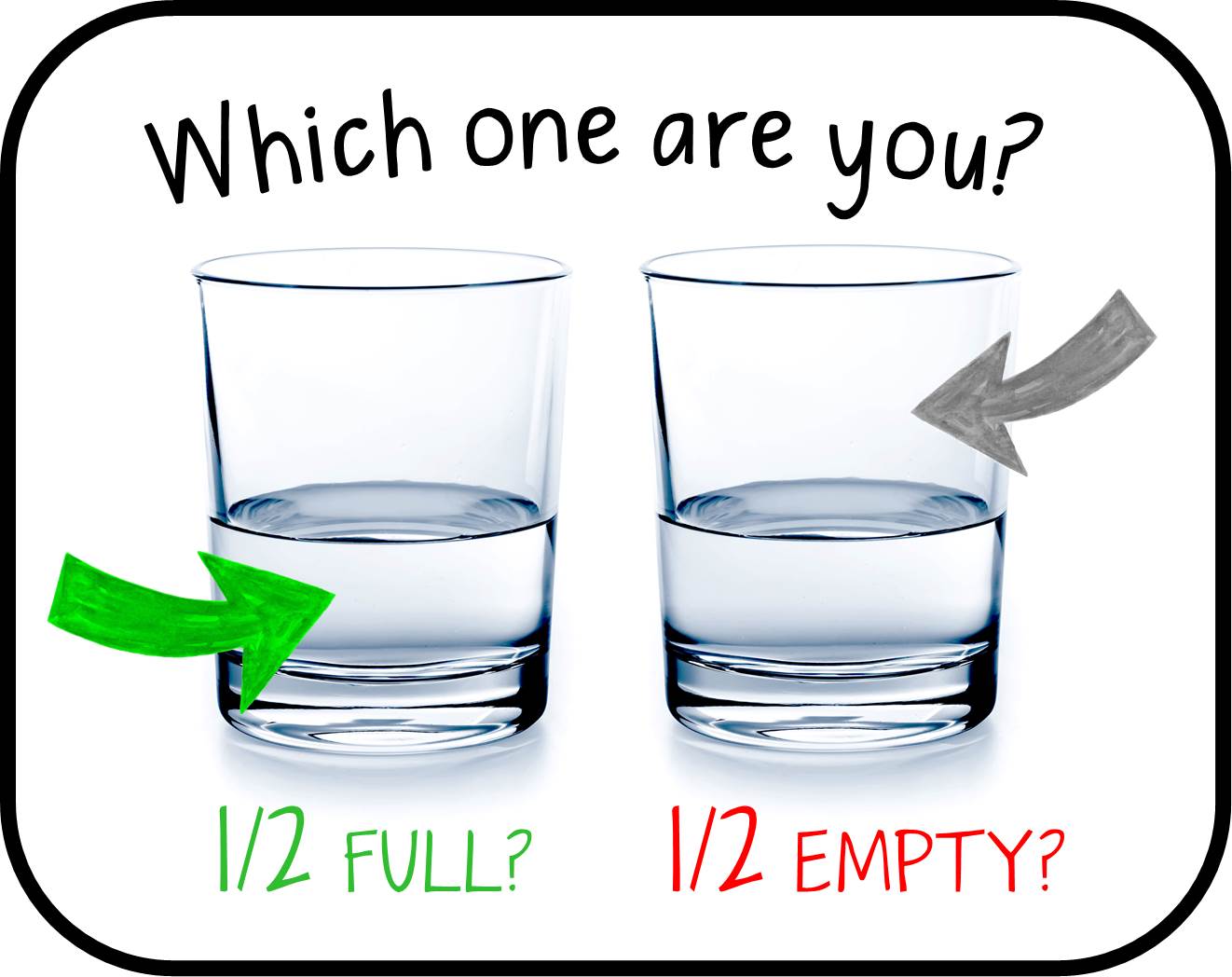
On Becoming a Personal Scientist: Living in the half-full glass
By: Ruth ShidloThe half-full glass is the antidote to the half-empty one.
Read More
Re-Frame Rejection so You Can Successfully Move Forward in Relationships
By: Micki Lavin-PellI have been rejected more times than I can count. By friends, boys, jobs, my kids, you name it… One of my most memorable rejections happened while in 6th grade. My English teacher encouraged us to write a journal, which I kept "hidden" in my desk. In it, I wrote all about a crush I had on a boy named Joey, a fellow classmate. I forgot that in the morning we sat at one desk and in the afternoon another. A fellow classmate found my journal and proceeded to read that very entry aloud to the entire class during recess.
Read MoreFor Soldiers and Reservists in Active Duty