.png)

The GHI Fund proudly support soldiers, lone soldiers, and active reservists in funding trauma therapy via private practice multilingual therapists to provide imminent specialized care. Soldiers can select their own therapist through our database of participating therapists.
.png)
Understanding Relational Therapy and Why It Matters in Eating Disorder Treatment
By: Hadassah (Johanna) HazanThis piece traces the evolution of relational therapy and shows why its emphasis on attunement, authenticity, and connection is especially effective in treating eating disorders. It reveals how the therapeutic relationship itself becomes a corrective emotional experience, allowing clients to access and heal the deeper wounds beneath disordered eating.
Read More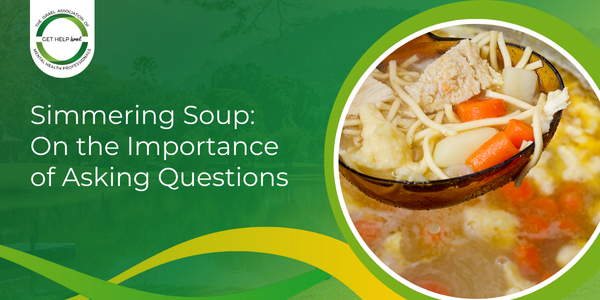
Simmering Soup: On the Importance of Asking Questions
By: Robin B. ZeigerSometimes the question sits on the back burner like low-simmering stew that has all but been forgotten. An innocent question may ignite a fire in a chilly room and we are off in a new direction. Or sometimes it buzzes around like a nasty mosquito.
Read More
Fundamentals of Trauma Recovery, Part 5
By: Chava LedererIf you feel ashamed in relation to any part of your trauma, you deserve to connect with others and experience the relief that comes with dissipating shame.
Read More
Fundamentals of Trauma Recovery, Part 3
By: Chava LedererWhile extremely distressing, flashbacks are actually memories. Registering what is a memory, and what is happening now, is essential.
Read More
Making Space for Personal Growth
By: Robert NewmanBeing too busy is a dis-ease of modern society
Read More
On Becoming a Personal Scientist: Beginnings
By: Ruth ShidloAs the baby gains enough safety and security via his attachment systems with the significant people in his life, he is able to identify and then befriend the familiar within the strange.
Read More
Fundamentals of Trauma Recovery, Part 4
By: Chava LedererForgive yourself for not having foreseen, protected, or responded more effectively during the trauma.
Read More
Healing the Inner Garden: A Journey of Creation, Connection, and Inner Peace
By: יוסף זאב בראווערExplore a path to healing that unites therapeutic insights and Jewish wisdom. This article bridges Internal Family Systems, mindful awareness, and timeless spiritual teachings, offering readers a journey toward self-discovery, purpose, and inner peace.
Read More.png)
Mindfulness in Therapy: More Than Just Breathing
By: Liron Kranzler
How mindfulness-based practices help you navigate overwhelm and pain, and come home to yourself.
Read More

Homesick in the Holy Land?
By: Yonatan SchechterWhy even the most idealistic olim may struggle emotionally after fulfilling their dream of aliya.
Read More.png)
Communicating for Connection
By: Yonatan SchechterA key task for couples is learning to express their needs explicitly, rather than expecting their spouse to read between the lines.
Read More.png)
The Interplay of Dread AND Hope: Holding and Navigating Contrasting Emotions in Cultivating Resilience
By: Evelyn RappoportPeople often ask me: how it is possible to celebrate amid deep suffering and life-altering traumatic events that shatter any sense of safety or security and leave us in confusion and the unknown? Dread and Hope, though seemingly contradictory, can coexist in a complex dance that shapes the human experience. Here's how...
Read More.png)
Who's Afraid of Retirement?
By: Rachel KaminetskyNavigating retirement is not only about filling your time or learning new skills. There is value in looking back, at what was, in addition to what’s next. There are relationships with others that will be impacted by retirement, and more than that; there is also the relationship with yourself.
Read More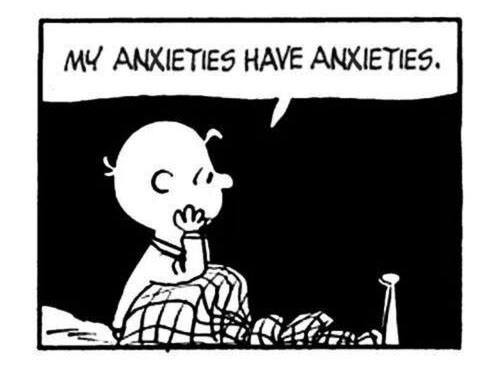
How to Track Anxiety and Help Resolve It
By: Ruth ShidloWe need our ‘signal’ anxiety, because otherwise, we’d be more vulnerable to danger.
Read More
How to Choose the Right Therapist
By: Tanya ProchkoChoosing the right therapist may feel overwhelming. Here are some tips to help guide you.
Read More.png)
From “He Said, She Said” to “He Felt, She Felt” (Part 2 of Winter Series 5786)
By: Yonatan SchechterBeneath most heated exchanges lie deeper feelings waiting to be understood.
Read More
.png)
Can Adolescents Act Abusively?
By: Aviva Zahavi-AsaParents are often reluctant to admit that their teenager is acting in ways which are abusive due to their own feelings of guilt, shame or a sense of failure. In some of these cases, the adolescent was exposed to domestic violence or experienced abuse within the family at an earlier age and then repeats familiar family patterns at a later stage. In other cases, however, no history of abuse exists within the family.
Read More.png)
New Job Jitters
By: Sasha WeissWhen beginning a new job if you are constantly worried about failing and feeling like you need to prove yourself at every turn that can cause significant stress which will most likely hinder performance. Rather than engendering positive relationships and being open to learning, the fear of someone discovering shortcomings will be so pervasive that it will be very difficult to acclimate to the new position effectively. On the other hand, a growth mindset which encourages you to learn from others, think about mistakes as essential to the process of learning and acclimating and being open to a new way of doing things will lead you to have more joy and energy, feel less anxious, and make a good impression on your colleagues.
Read More.png)
Taking a U Turn From Thought: A Mindful Pathway Out of Trance
By: Karen Burgman“Who is your enemy?” said the Buddha. “Mind is your enemy. Not one can harm you more than a mind untrained. Who is your friend? No one can assist you and care for you better than your mind well-trained. Not even the most loving mother or father.”
Read MoreFor Soldiers and Reservists in Active Duty