.png)

The GHI Fund proudly support soldiers, lone soldiers, and active reservists in funding trauma therapy via private practice multilingual therapists to provide imminent specialized care. Soldiers can select their own therapist through our database of participating therapists.
At Home Therapeutic Art Activities for Children During Global Pandemic
By: Sara FeinbergDuring challenging times, it is important to encourage children to express how they are feeling. Children often have difficulty articulating their emotions verbally- communicating through art or play is a great alternative. This can serve as a cathartic release, empower them, and help them process new circumstances.
Read More
My Unorthodox life: Exploring Differences of Opinion in Couplehood
By: Micki Lavin-PellWhen I work with couples through dealing with differences, whether it be religious or any other practice or want, I help the couple explore their deeper feelings around their differences of opinion and differences of practice. Couples deal with all kinds of differences. Some examples are issues around health and fitness, what kinds of food enters the home, what kinds of media are allowed, how to use finances, what dress represents members of the home, places to hang out and where not to go, how much time to spend together, what to do with the time they spend together, where to go on vacation, to name but a few.
Read More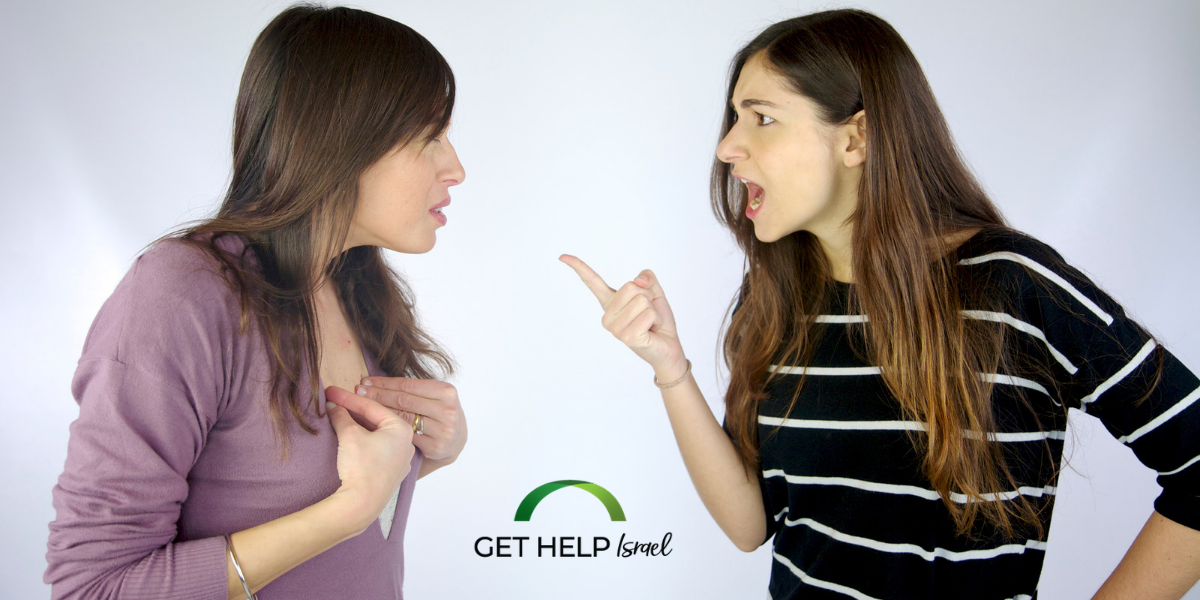
Ways to Manage Worry Instead of it Managing You – Part One
By: Daniel BaumMy goal, after you finish reading this blog is that you will get a more comprehensive understanding of toxic worry and the tools to help you manage it better. Managing your worrying in a healthier way will allow you to free yourself, increase your energy level and give you a greater ability to love yourself and others. Worry only inhibits the expression of love.
Read More.png)
Making the First Call: A Guide to Choosing the Right Therapist for You
By: Yisroel PickerDeciding to seek therapy is a courageous first step, but the initial phone call to a potential therapist can feel daunting. This guide is designed to empower you during that crucial conversation, moving beyond logistics to help you find the right fit. Discover the key questions that reveal a therapist's experience, approach, and, most importantly, their ability to create a safe and trusting connection with you.
Read More.png)
From Good Intentions to Real Connection (Part 3 of Winter Series 5786)
By: Yonatan SchechterWhen couples find themselves trapped in conflict despite good intentions, the path forward begins within.
Read More.png)
Unmasking Manipulation: Understanding DARVO and Reclaiming Your Reality
By: Yisroel PickerMany of us encounter manipulation, but understanding its forms is key to navigating relationships healthily. This post delves into various manipulative tactics, with a special focus on the insidious DARVO strategy. Discover how recognizing these behaviors empowers you and learn about the path toward healing from their impact.
Read More
Separation Anxiety
By: Jeni DantoWhen we hear the term “Separation Anxiety,” we often think of young children off to pre-school, crying because they don’t want their parents to leave. But Separation Anxiety can come any time your child leaves the nest — especially at college age. And it’s not just limited to the child — parents can also experience Separation Anxiety when their child leaves them.
Read More.png)
The Connection Between ADHD and Anxiety Disorders or Depression
By: Aviva Zahavi-AsaSeveral theories exist to explain the higher incidence of anxiety disorders or depression among individuals with ADHD. One theory presumes that because the same neurobiological systems that control attention also control mood, it is reasonable to assume that the neurological causes of ADHD also cause anxiety disorders or depression. Another theory posits that anxiety disorders or depression are an outcome of living with ADHD, especially if attention difficulties have gone undiagnosed or untreated for many years, often leading to chronic feelings of failure, frustration, disappointment and being overwhelmed.
Read More
Beginnings & Endings: Making Sense of Life Changes
By: Keren BurgmanThe holiday season has ended, the parties and festivities subsided, and we come back to…
Read More.png)
Understanding Group Therapy: Benefits, Core Principles, and Distinctions
By: Malka CohnTherapists often discuss the need for their clients to have supplemental support and another avenue for self-growth and reflection. Group Therapy, also known as a Process Group is more than support. It is a social microcosm where personal struggles are discussed in the here-and-now. While sharing similar benefits as other group models, it becomes a living family dynamic where members can support, challenge and model healthy interactions with guidance of the therapist group leader.
Read More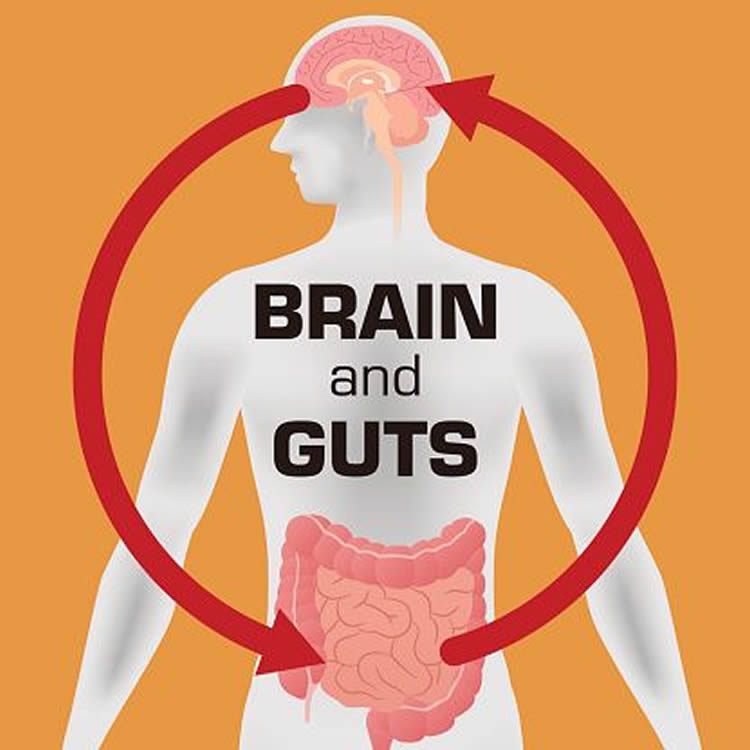
Of Guts and Brain: The Gut-Brain Axis
By: Ruth ShidloIf you are willing to make a few changes, “disease goes away as a side effect of health.” (Hyman, 2012, p. 29)
Read More.png)
Cultivating Self-Care
By: Esther Avital GottesmanIn its most general sense, self-care is often equated with self-pampering. Given this notion, it can be seen as selfish. However, that idea is mistaken.
Read More
Feeling Helpless? Here Are 3 Corona (or Anytime) Coping Skills
By: Daniel FundIt can happen at any time or place. But especially now, with the impact of COVID-19 still being felt here in Israel even as things are finally opening up, it's an expected emotion to be feeling. Helplessness. And we are all in it together. Including your therapist. What can you do when you feel like this? Here are 3 powerful skills I know of.
Read More.png)
How to Connect With Your Partner in the Pandemic and Beyond
By: Judy MarkoseConsider this dream: you and your partner experience the pandemic with your marriage intact and your family even closer and more connected than ever. You can practice a more loving way of relating, with more kindness and giving. This blog offers practical tips for becoming a great communicator, being a generous listener, and adding gratitude to your relationship.
Read More
To Be Mindful Or Not To Be
By: Chava LedererSo, I encourage mindfulness. I invite my clients to be mindful: to attend, without judgment, to the present moment. I invite them to notice themselves, and use that awareness to inform their next move.
Read More
10 Ways to Improve a Marriage
By: Naomi SternbergWouldn’t it be wonderful if there were just 10 do it yourself fix it solutions…
Read More
Get Grounded With Art
By: Yannah PopovitzCreative expression can be a soothing and releasing form of self care and help us find our anchor.
Read More.png)
Lesson from a Construction Site: Don't Dismiss the Scaffolding in Your Relationships
By: Yonatan SchechterMarriages, like buildings, sometimes need scaffolding - temporary, unglamorous interventions - that provide the platform needed to repair damage and build a strong, lasting structure.
Read More.png)
New Job Jitters
By: Sasha WeissWhen beginning a new job if you are constantly worried about failing and feeling like you need to prove yourself at every turn that can cause significant stress which will most likely hinder performance. Rather than engendering positive relationships and being open to learning, the fear of someone discovering shortcomings will be so pervasive that it will be very difficult to acclimate to the new position effectively. On the other hand, a growth mindset which encourages you to learn from others, think about mistakes as essential to the process of learning and acclimating and being open to a new way of doing things will lead you to have more joy and energy, feel less anxious, and make a good impression on your colleagues.
Read MoreFor Soldiers and Reservists in Active Duty