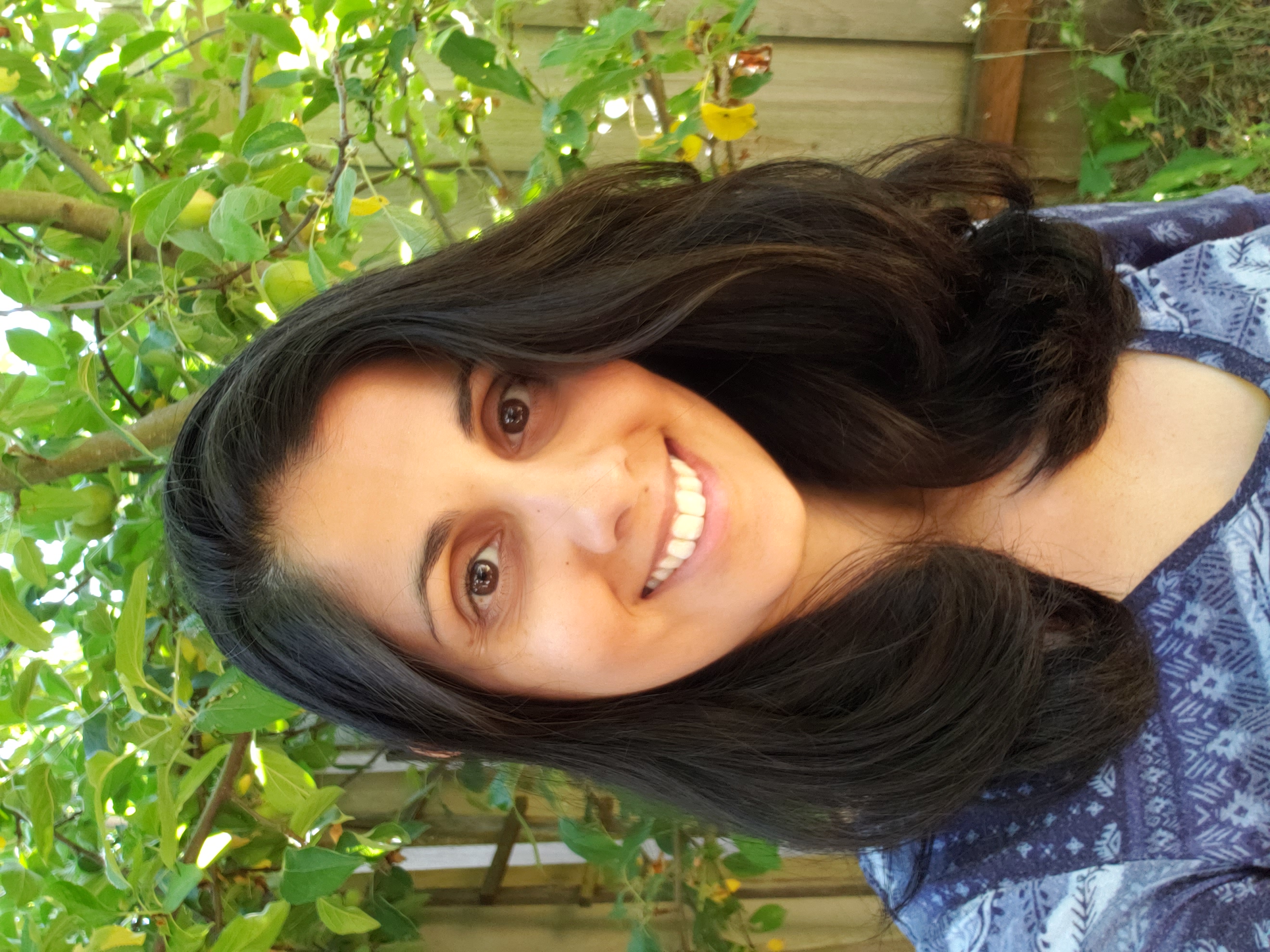
Lotem Raymond Coe
Credentials
Licensed Abroad
Finances
- Rabin
- Karmiel
- 0723976554
- Email Me
-
 Business Hours
 Verified
Credentials
Expressive Arts Therapist, Mental Health Counselor
LMHC
Finances
350-500 NIS
None
N/A

ABOUT THE THERAPIST
Specializes in supporting adult clients through treatment of trauma, using art therapy and talk therapy.
Creating a safe space is my first priority. I believe that is imperative for us to do any meaningful work. I see therapy as a collaborative task in which we join together to best support your goals and needs. In this way I can ensure that you feel comfortable with the approach we take. For treatment, I utilize art therapy, which helps clients tap into deeper meaning regardless of artistic skill level. I administer EMDR which is a trauma treatment protocol. I also engage my clients in talk therapy where we evaluate patterns and stories and I provide you with psychoeducation.
My main focus is trauma treatment, whether it is single, chronic, or complex. It can be "big T" trauma or "little T" trauma. It can be a small issue from your past that you don't consider as trauma, but still had a negative impact on your life. It can be trauma related to a war or military service. It can be trauma related to family or a partnership. I will support you through all of them. In addition, I can support you through many other issues such as stress, anxiety and depression, life changes, relationship challenges, attachment wounds, and grief.
My role as a therapist is to create a therapeutic space and partnership that is comfortable enough to do the necessary work, to challenge you appropriately, and to make sure that compassion (from yourself and from me) leads us through processing rather than judgment and shame. I believe that you as the client have an unmatched internal wisdom, and it is my job to strengthen your connection and trust with it. My role is to support you in any way that is necessary for your mental health.
My practice is fully virtual and I do not accept insurance.
QUALIFICATIONS
LMHC
Antioch University Seattle
2022
Degree
LMHCEducation
Antioch University SeattleYear of Graduation
2022Years in Practice
4
LICENSED IN THE USA
ADDITIONAL CREDENTIALS
Registered Art therapist - Art Therapy Credential Board # 22-594 - Expires: 30/6/27
EMDR - EMDR Consulting - 2023
DISTANCE COUNSELING
Online Therapy
PRIMARY SPECIALTIES
Anxiety / Panic
Depression
Mood Disorders
Trauma / Post Traumatic Stress Disorder PTSD
ADDITIONAL SPECIALTIES
Abuse
Adjustments
Anger Management
Codependency
Couples / Relationship / Marriage Counseling
Family Issues
Grief
LGBTQ
Life Transitions
Self-Esteem
Sexual Abuse / Rape
Stress Management
CLIENT FOCUS
Population
Adults
LGBTQ
Men
Women
Geriatric
Languages Spoken
Hebrew
English
Native Language
Hebrew
TREATMENT APPROACH
Art TherapyArt therapy has clients express themselves through creative mediums such as drawing, painting, collage, coloring, or sculpting. Clients can interpret their subconscious world that is expressed in their art which could lead to a better understanding of their feelings and behavior. Artistic talent is not a prerequisite for art therapy as it’s not as much about the end result as much as it is about the process. The therapist looks for meaning in the creative choices of the work and the clients’ inner world. This therapeutic method enables clients to express their inner thoughts and feelings through creative expression rather than just talking about them.
Eye Movement Desensitization and Reprocessing Therapy (EMDR)Eye Movement Desensitization and Reprocessing (EMDR) is a psychotherapy treatment that was originally designed to alleviate the distress associated with traumatic memories. It uses a structured approach to address the past events that may be causing current distress, and uses bilateral stimulation, such as eye movements, to activate different neural networks in the brain in order to reduce symptoms of trauma. EMDR has been found to be effective for a wide range of mental health issues, including anxiety, depression, and PTSD.
Narrative TherapyNarrative therapy is a form of psychotherapy that focuses on the stories, or narratives, of a person's life in order to help them gain insights into their situation and develop skills to make positive changes. It is based on the idea that people construct their own stories and meanings to make sense of their lives and experiences. It emphasizes the strengths, values, and skills of the person, while also exploring the influences of culture and context on their life. Narrative therapy seeks to empower individuals by helping them to identify and use their inner resources to overcome challenges and create positive change.
Person-Centered Therapy (Rogerian Therapy)Person-centered therapy, or Rogerian therapy, was developed by Carl Rogers in the 1940’s. It is a form of talk therapy that emphasizes the importance of providing psychological safety, unconditional positive regard, and empathic understanding to clients. This type of therapy is based on the belief that individuals have an innate capacity for self-actualization and self-understanding and that the therapist's role is to provide a supportive environment in which this process can take place. Through the use of active listening, open-ended questions, and non-judgmental reflection, the therapist helps the client to explore their thoughts, feelings, and experiences in a safe and accepting environment. By doing so, clients are able to gain insight into their issues, develop a greater understanding of themselves, and work towards personal growth.
Relational PsychotherapyRelational psychotherapy is a form of psychotherapy that focuses on a person’s relationships with others and the dynamics between them. It emphasizes the importance of the therapeutic relationship between the client and the therapist, and it explores the meaning and purpose of relationships in the client’s life. Relational psychotherapy seeks to understand how the client’s past relationships shape their current experiences and how the client interacts with others. The goal is to help the person develop healthier relationships and better communication skills so they can become more emotionally connected to others.
SERVICES OFFERED
Individual Therapy
Consultation