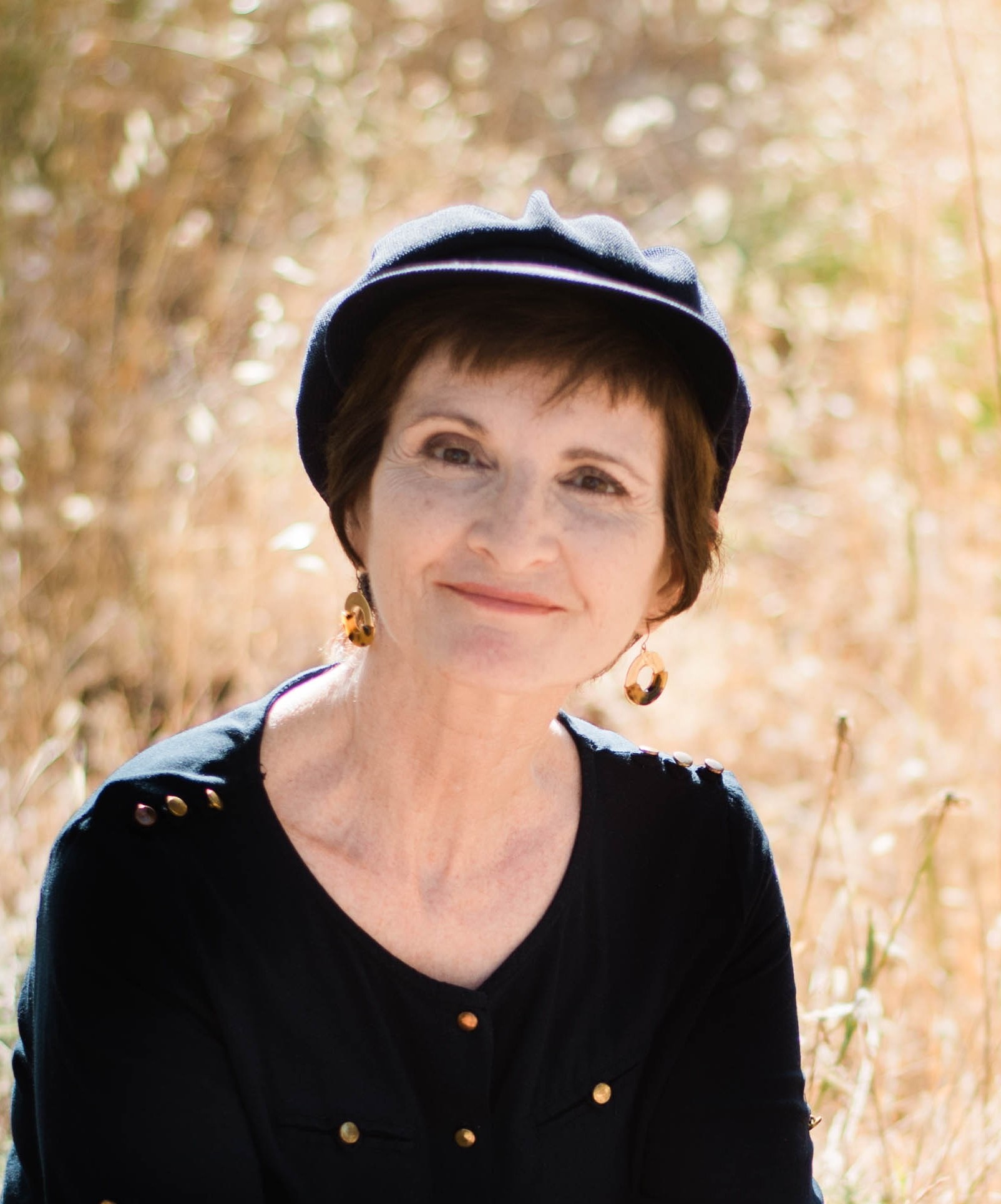

Elisabeth Wajnryt
Credentials
Eating Disorders Specialist
Licensed in Israel
Licensed Abroad
Finances
- Rabbi Yanai 3/1
- Bet Shemesh, 9908407
- 0723971429
- Email Me
- Free Consultation
-
 Business HoursEvenings
 Verified
Credentials
Clinical Psychologist
Eating Disorders Specialist
PsyD
Finances
500-700 NIS
Private Insurance
Free Consultation

ABOUT THE THERAPIST
I am a Clinical Psychologist, specialising in Eating Disorders, with more than 35 years in the field. I am here to help you regain control over your eating. I have personal and professional experience in this area and understand what it's like to feel stuck.
I created a unique program: Making Peace with Food and Body. It helps you reconnect with your body’s physiological signals, hunger, selectivity and satiation, while also reshaping your relationship with your Body Image, exploring the science of Metabolism of Weight and Physical Activity.
This effective therapy has already helped countless clients overcome this challenge.
The program combines tools with emotional understanding, helping you to practically actualise what you wish for yourself and your body.
I am also the author of the book: “Were They Happyly Thin for Ever After? The Ways out of Compulsive Eating" (in Portuguese, Ed. Matrix).
Over the years, I have continuously studied, translated, adapted, and integrated clinical models, especially in the fields of Eating Disorders and Couples Therapy (I am a Gottman Level 3 Couples Therapist).
I am here to help you in a structured, science-informed and practical way, while also bringing a psychodynamic understanding of emotional life. I like depth, but not vagueness.
A central theme in my work is helping people reconnect with signals they no longer trust — hunger, satiety, emotions, bodily responses and relational needs — and learning to use them more intelligently, rather than fighting against themselves all the time.
I help people observe patterns and interactions between emotions, physiology, behaviours,+ and relationships. My therapy also includes teaching how to track the process over time in a more objective, concrete way.
I am not interested in “transforming” people into someone else. I am interested in helping them become more “themselves”, more connected, more authentic!
Disordered Eating, Eating Disorders, especially Compulsive/ Binge Eating, chronic weight struggles, emotionally driven eating and Body Image distress patterns. I can help people in GLP-1 medication and Post- Bariatric patients to prevent relapses
I also work with more complex eating difficulties involving physiological sensitiveness and regulation around food (ARFID).
As a Gottman level 3 - Couples Therapist, I work with couples using one of the most scientific, structured and effective relational models available today: “Making Peace with Your Partner”.
My clinical work also includes Anxiety, Depression and OCD: Making Peace with Yourself”.
My sessions tend to be light and humorous.
After so many years of clinical work, I still love people and the privilege of helping them. I am especially interested in the moments when we lose connection with our own signals and inner coherence, and how this becomes expressed through food, symptoms, conflict, exhaustion, or silence.
I am active in the room. I help organise what has become emotionally crowded, repetitive, confusing or disconnected. Sometimes this means depth, sometimes structure, sometimes humour, and sometimes simply slowing things down enough for a person to finally notice what has been happening inside themselves all along, and now, being able to change it.
My mission is to make therapy a place where people can reconnect with themselves in a more honest, workable, and authentic way.
If you feel I can help you, the first step is to book a free 15-20-minute call to see if it is a good fit.
I work individually and with groups, online and in person (in Bet Shemesh), in English, Hebrew and Portuguese.
It will be a pleasure to know you, and even more so if I can help you!
QUALIFICATIONS
PsyD
Pontificia Universidade Catolica
1983
Degree
PsyDEducation
Pontificia Universidade CatolicaYear of Graduation
1983Years in Practice
40
REGISTERED PSYCHOLOGIST IN ISRAEL
Registration in Pinkas Hapsichologim
27-153774
Mumche Category
Clinical Psychologist
Mumche License Number
27-41321
LICENSED ABROAD
License Number
CRP 17981-3 BrazilADDITIONAL CREDENTIALS
Clinical Psychologist licensed in Israel and Brazil
Psychoanalist-1987
Eating disorders-1990
EMDR 1 and 2- 2002
Gottman Couples Therapy Certification - Level 3: 2019
DISTANCE COUNSELING
Telephone Counseling, Online Therapy
PRIMARY SPECIALTIES
Couples / Relationship / Marriage Counseling
Eating Disorders
Mood Disorders
Psychosomatic Disorders
Self-Esteem
ADDITIONAL SPECIALTIES
Anxiety / Panic
Depression
Obsessive Compulsive Disorder (OCD)
CLIENT FOCUS
Population
Adolescents
Adults
Couples
Men
Women
Languages Spoken
Portuguese
Hebrew
English
Native Language
Portuguese
TREATMENT APPROACH
Body-Mind PsychotherapyBody-mind psychotherapy is an integrative approach to psychological treatment that draws from both psychotherapeutic and somatic/body-based approaches. It emphasizes the interconnection between physical, emotional, cognitive and spiritual aspects of being. This approach seeks to help individuals explore how physical sensations, emotions, thoughts and beliefs influence their behavior and well-being. Through this exploration, individuals can gain insight into how the body and mind interact to create patterns of behavior, and how those patterns can be changed to promote healing and wellness.
Cognitive Behavioral Therapy (CBT)Cognitive Behavioral Therapy (CBT) is a type of psychotherapy that focuses on how one's thoughts, feelings and behaviors are connected and can be changed. It is based on the idea that how we think (cognition) and how we feel (emotion) can influence how we behave. CBT helps people identify and challenge distorted thinking and replace it with more balanced thinking, leading to improved mood and behavior. ‘Homework’, usually containing practical writing exercises, is often completed by the client between sessions to reinforce the therapy. Examples of tools that practitioners often use are journaling, challenging beliefs, and mindfulness.
Eye Movement Desensitization and Reprocessing Therapy (EMDR)Eye Movement Desensitization and Reprocessing (EMDR) is a psychotherapy treatment that was originally designed to alleviate the distress associated with traumatic memories. It uses a structured approach to address the past events that may be causing current distress, and uses bilateral stimulation, such as eye movements, to activate different neural networks in the brain in order to reduce symptoms of trauma. EMDR has been found to be effective for a wide range of mental health issues, including anxiety, depression, and PTSD.
Gottman MethodThe Gottman Method is an evidence-based approach to couples therapy that is designed to help couples strengthen their relationships and resolve conflicts. This method is based upon decades of research on thousands of couples and utilizes an approach that is both structured and collaborative. The method is designed to help couples increase respect, affection, and closeness, break through and resolve conflict, generate greater understanding, and to keep conflict discussions calm. It emphasizes the importance of self-regulation, constructive communication, and creating a safe environment for couples to talk and work through their issues. During sessions, couples work on skills such as active listening and expressing needs and feelings effectively. Couples are also given tools to identify and work through conflicts by using problem-solving techniques and developing strategies to manage emotions and reduce stress.
Interpersonal Psychotherapy (IPT)IPT focuses on the relationships and interactions an individual has with others. It is based on the premise that the way that we interact with others can have a significant impact on our emotional well-being. During IPT sessions, the practitioner will work with the client to identify patterns of behavior and communication that may be contributing to their emotional distress. They will then help the client learn new ways of interacting with others, as well as teach them coping skills to manage difficult emotions. It is a time-limited therapy, typically lasting between 12-16 weeks, with the goal of helping the client develop long-term coping skills.
Mindfulness-Based Cognitive Therapy (MBCT)Mindfulness-Based Cognitive Therapy (MBCT) is a form of therapy that combines cognitive behavioral therapy with mindfulness practices. It is based on the idea that our thoughts, emotions, and physical sensations can affect our mental health. MBCT helps individuals become aware of their thoughts, emotions, and physical sensations in order to gain insight and control over them. MBCT helps clients learn how to recognize their sense of being and see themselves as separate from their thoughts and moods. This separation can free the client from thought patterns in which the repeated negative messages may be dominating the client’s focus. After developing an awareness of the separation between thoughts, emotions, and the self, people in treatment may find that while the self and the emotions may exist simultaneously, they do not have to exist within the same dimension. The healing can take place when one learns how to interject positive thoughts into negative moods and thereby create a shift in mood.
PsychoanalysisPsychoanalysis is a form of psychotherapy that focuses on unconscious processes and is used to treat mental health conditions. It is based on the belief that unconscious conflicts are the root of psychological issues. It seeks to understand an individual's psychological experience, including thoughts, feelings, and behaviors, in order to identify patterns, uncover underlying conflicts, and gain insight into how these conflicts may be impacting the individual's life. Psychoanalysis is based on the idea that unconscious processes and experiences can affect behavior, mood, and relationships. The goal of psychoanalysis is to help the individual gain insight into these unconscious processes. Psychoanalysis suggests that the client’s symptoms can be reduced by bringing these conflicts into conscious awareness.
Psychodynamic TherapyPsychodynamic therapy is a form of therapy that focuses on the unconscious mind and how it affects behavior. It works to help people understand and work through past experiences and feelings that may be causing difficulties in the present. This type of therapy encourages individuals to explore their emotions, relationships, and behaviors in order to gain insight into their current difficulties. It can help individuals better understand themselves and their motivations, and gain insight into how past events have impacted their current lives. People tend to develop defense mechanisms when faced with challenges in life. Defense mechanisms may keep painful feelings, memories, and experiences in the unconscious. A few common defense mechanisms include: denial, repression, and rationalization. Psychodynamic therapists encourage people to speak freely about their emotions, desires, and fears. Being open may help uncover vulnerable feelings that have been pushed out of conscious awareness. According to psychodynamic theory, behavior is influenced by unconscious thought. Once painful feelings are brought forth and processed, the defense mechanisms are no longer needed and a person in treatment can start changing unhelpful patterns when coping with life’s challenges.
Rational Emotive Behavioral Therapy (REBT)Rational Emotive Behavioral Therapy (REBT), originally developed by Albert Ellis, laid the foundation for what is now known as Cognitive Behavioral Therapy. It is a philosophically and empirically based psychotherapy that focuses on resolving emotional and behavioral problems by identifying and challenging irrational beliefs. Based on the notion that we are typically unaware of our deeply embedded irrational thoughts and how they affect us on a day-to-day basis, Ellis established three guiding principles of REBT. These are known as the ABCs: activating events, beliefs, and consequences. Rewiring old patterns of thinking requires a lot of work and commitment, so active participation and openness in the therapy process is essential to success.
Solution-Focused Brief Therapy (SFBT)Solution-focused therapy is a type of therapy that focuses on what is going right in a person’s life, as opposed to what is going wrong. It is based on the premise that when a person can identify what is working, they can build on it and make positive changes to the areas of their life that need improvement. A therapist using this approach will often ask questions designed to bring out a person’s strengths and resources, rather than focusing on problems or past issues. The aim of this type of therapy is to help people find solutions to their current problems, in order to build a better future. A solution-focused therapist encourages those in treatment to develop a vision of the future and offers support and guidance as they determine the skills, resources, and abilities needed to achieve that vision successfully.
An unique program for Binge Eating
SERVICES OFFERED
Individual Therapy
Coaching
Consultation
Couples Therapy
Group Therapy
Hadrachat Horim
Workshops/Educating
Therapist's Experience with Gap Year Students
In the last years, the incidence of Eating Disorders has escalated in general but especially among our gap year population. I've been working with many young people in this situation, taking their specific stressors and triggers into account and integrating the therapeutic work with the parents and school setting.