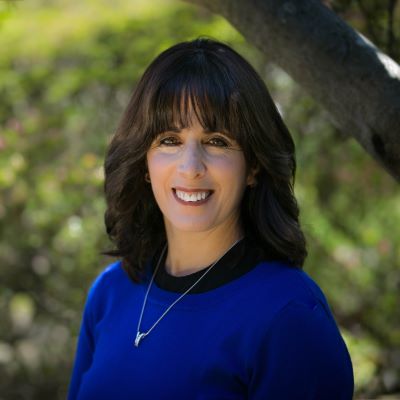
Lisa Rabinowitz
Credentials
Licensed Abroad
Finances
- Ashkelon
- 0723976585
- Email Me
- Free Consultation
-
 Business HoursEveningsFridays/Weekends
 Verified
Credentials
Licensed Professional Counselor
MA
Finances
500-700 NIS
N/A
Free Consultation | Student Discount

ABOUT THE THERAPIST
You may be worried where your relationship is heading because you are fighting and arguing about the same things over and over or maybe you hardly talk anymore.
Problems often start slowly, with one or two little things. Maybe your partner upsets you but you don’t say anything or you avoid discussing what’s bothering you for fear of making waves. You don’t want to focus on the negative, but that’s all you are noticing in your relationship.
Then one, or both of you, start keeping score. You start to see the patterns. This often leads to feelings of “I don’t feel connected” all the way to “I don’t know you anymore.” While you long for the relationship you once had, getting there is an entirely different matter.
Sometimes when you move to another country you may feel confused, frustrated or stressed out and need to learn how to work together as a team.
Maybe it is happening after being unappreciated, unheard and not listened to or fighting about the same issues over and over.
What can you expect when seeking answers from a couples therapist?
Couples counseling is NOT complaining about your partner and replaying the same old argument with a therapist in the room.
Couples counseling is about solving the problems and learning new ways. Couples counseling is discovering new tools and styles of communicating that will ideally bring you closer and get both of your needs met.
Couples counseling will help you feel emotionally safe and secure again, maybe even for the first time in your relationship.
Is Your Marriage In Crisis? I am trained in a number of different modalities that help couples regain the love and connection in their relationship.
I'm a Certified Gottman Couples Therapist
As a Gottman couples therapist, you will learn the most up-to-date research on what makes a successful relationship. The Gottman approach is a scientific-evidence based method filled with tools and skills.
Using the Gottman Method, you will learn how to:
1. Build appreciation, admiration and fondness
2. Reduce conflict
3. Improve communication
4. Increase intimacy
5. Build Trust
I also am a Certified (Candidate) PACT, Psychobiological Approach to Couples Therapy.
As a PACT couples therapist, you will learn how to be best friends with your partner, feel safe with them to be "you" and be in the foxhole together.
Using the PACT, you will learn how to:
1. Protect and care for each other.
2. Creat a fair and balanced relationship.
3. Be each other's everything.
4. Work as a team to create a foundation of safety, security and love to thrive.
5. Build deeper love and intimacy in your relationship.
Do You or Your Partner Have ADHD?
Being a married couple isn’t always easy. Add ADHD to the mix and couples often feel like getting their needs met and their relationship on track is impossible. I’m happy to tell you, it’s not. If you, your spouse, or both of you have ADHD it can take a toll on your marriage. Couples who learn how to navigate ADHD stressors create happy, loving partnerships. But, the ADHD impact on marriage can be long-felt and deep if you don’t address it.
I presented at the International ADHD Conference and I'm a ADHD-CCSP (Certified Clinical Service Provider).
Couples Intensives/Retreats
Just like traditional couples counseling, intensive couples retreats are between 3-6 hours with exercises, role plays and skills that create and build connection, appreciation, communication and trust. I provide a 30 minute free zoom consultation to discuss your needs to create the most effective couples therapy.
Reach out to Lisa for a 20-30 minute free private consultation today.
As a couples therapist and relationship coach, I help clients transform the way they connect, communicate, and build lasting partnerships. My approach is grounded in compassion, clinical expertise, and a deep understanding of the emotional and neurological patterns that shape relationships, especially when ADHD, high stress, or past hurt is part of the picture.
Many of the individuals and couples I work with come to me feeling stuck. They’re tired of the same arguments, walking on eggshells, or struggling to be heard. They might feel overwhelmed, reactive, emotionally disconnected, or just unsure how to bridge the gap between wanting closeness and actually creating it. Whether it’s ADHD-related challenges like impulsivity, interrupting, or forgetfulness, or deeper issues like resentment, defensiveness, or communication breakdowns, my job is to help couples navigate those moments without shame and with a clear path forward.
Using advanced training in both the Gottman Method and PACT (Psychobiological Approach to Couple Therapy), I help clients understand how their nervous systems, attachment styles, and conflict patterns impact their connection. Instead of blaming or avoiding hard conversations, I guide couples toward safety, emotional regulation, and mutual respect so they can respond instead of react. These are not quick fixes, but research-based strategies that create lasting change.
With over 30 years of experience, I specialize in helping ADHD couples and busy professionals learn how to work as a team. That means addressing the invisible load, clarifying expectations, and setting up structures that support, not sabotage, the relationship. Whether we’re working on how to communicate during conflict, build trust after a breach, or reconnect after feeling distant, my focus is on practical, real-life tools that clients can use between sessions.
I also help individuals who are navigating big questions—Should I stay or go? Can this relationship be repaired? Why do I keep choosing the same type of partner? Together, we look at patterns without judgment, identify your needs, and build emotional resilience so you can make confident, empowered decisions.
What sets my work apart is the way I combine neuroscience, attachment theory, and real-life communication tools to help clients feel seen, understood, and supported. I don’t just teach skills; I help you feel differently in your relationship—safer, calmer, more connected, and more in control.
You don’t have to do it perfectly. You just have to be willing to start. Whether you're a couple on the brink, a partner feeling unseen, or someone ready to finally break free from toxic patterns, I offer a space for healing, growth, and transformation. My goal isn’t just to fix what’s broken—it’s to help you build something better.
I specialize in helping ADHD couples and busy professionals learn how to work as a team.
As a therapist, my role is to create a safe, supportive, and nonjudgmental space where individuals and couples can explore their struggles, understand their patterns, and develop the tools they need to create lasting change. I don’t just listen, I engage, guide, and collaborate with you to uncover what’s getting in the way of the life and relationships you want.
I help clients build awareness around how past experiences, attachment styles, and nervous system responses show up in the present, especially in moments of stress, conflict, or emotional disconnection. Whether I’m working with a couple navigating constant miscommunication, or an individual wrestling with ADHD-related overwhelm, I focus on helping you regulate, reconnect, and respond more effectively.
My work is both practical and deeply relational. I offer real-life tools and evidence-based strategies that you can apply between sessions, while also helping you access deeper insight and emotional safety. As a Certified Gottman and PACT therapist, I specialize in guiding couples toward secure-functioning partnerships—ones grounded in mutual respect, shared purpose, and emotional attunement.
Ultimately, my role is to walk alongside you as you make sense of your story, find clarity in your relationships, and build the skills to move forward with confidence and connection.
I’m also a national presenter and educator, training other therapists and coaches in the most effective ways to work with ADHD-impacted relationships. I’ve spoken at the International ADHD Conference (CHADD) and the Get Help Israel Conference, and I frequently lead workshops for professionals, executives, and couples on how to create secure-functioning partnerships.
My book, Why Won’t You Stop Interrupting Me? Simple Solutions for ADHD Couples, offers tools to navigate one of the most common and misunderstood communication challenges in neurodiverse relationships.
Whether you’re a couple on the edge, a high-achieving professional struggling to connect at home, or someone trying to make sense of their relational patterns, I’m here to help you feel more understood, more empowered—and more connected to the people who matter most.
QUALIFICATIONS
MA
East Carolina University
1992
Degree
MAEducation
East Carolina UniversityYear of Graduation
1992Years in Practice
34
LICENSED ABROAD
License Category
LCPCLicense Number
LC4385/MarylandADDITIONAL CREDENTIALS
Gottman Certified Couples Therapist - Gottman Institute - 2017
DISTANCE COUNSELING
Telephone Counseling, Online Therapy
PRIMARY SPECIALTIES
Attention Deficit Hyperactivity Disorder (ADHD)
Couples / Relationship / Marriage Counseling
Divorce / Custody
Sexual Issues
Trauma / Post Traumatic Stress Disorder PTSD
ADDITIONAL SPECIALTIES
Addictions
Anger Management
Autism Spectrum
Executive / Career / Life Coaching
Family Issues
Life Transitions
Parenting Issues / Training
Postpartum Depression
Self-Esteem
Stress Management
Psychedelics
CLIENT FOCUS
Population
Adults
Couples
Women
Languages Spoken
English
TREATMENT APPROACH
Attachment-Based Family Therapy (ABFT)Attachment-based family therapy (ABFT) is a form of psychotherapy that focuses on the family's relationships and communication patterns. It is based on the theory that strong and secure attachments between family members are essential for emotional health and well-being. The goal of ABFT is to identify any problems in family relationships, enable family members to become more attuned to each other’s needs, and build a secure bond between them. It also helps family members to practice healthy communication skills, learn effective problem-solving strategies, and build trust within the family.
Body-Mind PsychotherapyBody-mind psychotherapy is an integrative approach to psychological treatment that draws from both psychotherapeutic and somatic/body-based approaches. It emphasizes the interconnection between physical, emotional, cognitive and spiritual aspects of being. This approach seeks to help individuals explore how physical sensations, emotions, thoughts and beliefs influence their behavior and well-being. Through this exploration, individuals can gain insight into how the body and mind interact to create patterns of behavior, and how those patterns can be changed to promote healing and wellness.
Emotion-Focused TherapyEmotion-focused therapy (EFT) is a type of psychotherapy that is based on the idea that emotions play a key role in a person’s mental health. EFT focuses on helping people to identify, accept, and manage their emotions in a healthy and productive way. The goal of EFT is to help people identify and express their emotions, understand how those emotions impact their behavior, and learn how to manage their emotions in a way that is adaptive and healthy. EFT is a research-based approach to psychotherapy that has been found to be effective in helping people manage a variety of mental health conditions. It has been used successfully in the treatment of individuals, couples, and families, as well as with groups. EFT is particularly beneficial for people who struggle with emotional regulation, mood disorders, anxiety, trauma, and relationship issues.
Family Attachment Narrative TherapyFamily Attachment Narrative Therapy is a form of psychotherapy that focuses on helping individuals to develop secure, healthy attachments to their family members. This type of therapy focuses on the narrative, or stories, that individuals tell about their family relationships and how they view themselves in those relationships. Through this therapeutic process, individuals are encouraged to explore their past experiences with family members, gain a better understanding of their current family dynamics, and develop healthier, more secure attachments to their family members. Therapists using this approach believe that the caregivers are the most crucial component in the healing process, and therefore incorporate caregiver narratives as an important part of the therapeutic process in addressing and repairing the unmet needs of the client. This approach to treatment is primarily designed for children, teens, and young adults who are experiencing issues related to identity, disrupted attachment, and early childhood trauma.
Gottman MethodThe Gottman Method is an evidence-based approach to couples therapy that is designed to help couples strengthen their relationships and resolve conflicts. This method is based upon decades of research on thousands of couples and utilizes an approach that is both structured and collaborative. The method is designed to help couples increase respect, affection, and closeness, break through and resolve conflict, generate greater understanding, and to keep conflict discussions calm. It emphasizes the importance of self-regulation, constructive communication, and creating a safe environment for couples to talk and work through their issues. During sessions, couples work on skills such as active listening and expressing needs and feelings effectively. Couples are also given tools to identify and work through conflicts by using problem-solving techniques and developing strategies to manage emotions and reduce stress.
Guided ImageryGuided imagery is a form of visualization used for relaxation and healing. It uses the power of the imagination to create positive changes in a person's thoughts, feelings, and behaviors. It is also used to reduce stress and anxiety, cope with physical and emotional pain, increase motivation, confidence, and self-esteem, and to improve focus and concentration. During a guided imagery session, the practitioner will guide the client through a series of visualizations, using words and descriptions to help them create mental images in their mind. These visualizations can take many forms, such as a comforting place from the past or the client’s future goals.
Internal Family Systems (IFS)Internal Family Systems (IFS) is an evidence-based psychotherapy that uses the metaphor of an internal family of parts to help people gain awareness of how different parts of themselves can interact in healthy and unhealthy ways. IFS encourages people to become curious about their different parts, with the goal of helping them gain access to their true Self or core. Through this process, people can learn to recognize and care for the different parts of themselves, as well as develop compassionate understanding for the origins of their parts. A key principle of IFS is that each part within the person has its own positive intention and is trying to protect the person in some way. By understanding the positive intention of each part, the practitioner and client can work together to help the parts feel heard and understood, and to find more adaptive ways of meeting their needs. IFS has been found to be an effective treatment for a variety of mental health issues, including depression, anxiety, trauma, and relationship issues.
Narrative TherapyNarrative therapy is a form of psychotherapy that focuses on the stories, or narratives, of a person's life in order to help them gain insights into their situation and develop skills to make positive changes. It is based on the idea that people construct their own stories and meanings to make sense of their lives and experiences. It emphasizes the strengths, values, and skills of the person, while also exploring the influences of culture and context on their life. Narrative therapy seeks to empower individuals by helping them to identify and use their inner resources to overcome challenges and create positive change.
PsychodramaPsychodrama is a form of experiential therapy that can help people gain insight into their own behavior and develop healthier coping strategies. It involves using role-playing and group dynamics to explore and act out different scenarios in a safe setting. Psychodrama is grounded in principles of creativity and spontaneity. It evokes cognitive, emotional, and behavioral responses in those in treatment and helps them achieve new perspectives through better understanding of their roles in life and the ways that they interact with others.
PACT (Psychobiological Approach to Couples Therapy)
SERVICES OFFERED
Individual Therapy
Consultation
Couples Therapy
Workshops/Educating