
Credentials
Licensed Abroad
Finances
- Derech Beit Lechem 33/3
- Jerusalem
 Verified
Credentials
Psychologist
PhD
Finances
500-700 NIS
N/A
Free Consultation

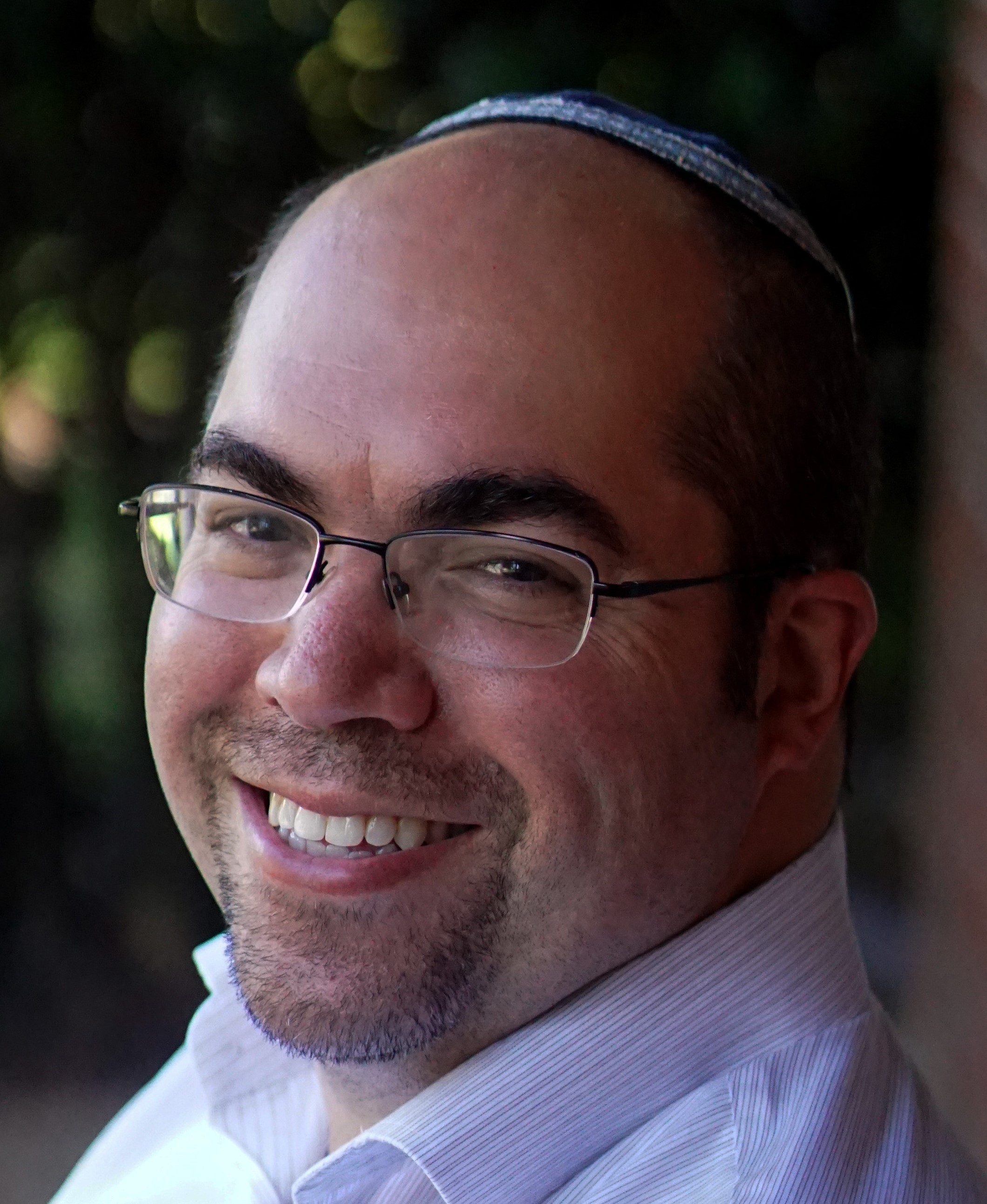
ABOUT THE THERAPIST
I help adults and couples struggling with depression, anxiety, trauma, and/or challenges related to military service (or similar) learn to better understand feelings and improve relationships and quality of life as we work together toward a personalized recovery plan.
My primary approach is interpersonal and emotion-focused, evidence-based and supported by research, delivered in a warm and personal style. My goal is to help you feel better and develop the tools and confidence to actualize your best self.
While most of our time will be spent in the "here and now," I always begin with an exploration of your history so we can learn from the past and move forward from there to help you become your best self. I have extensive experience in helping those who are not used to talking about feelings learn to understand emotions and communicate in an emotionally-informed way. I have worked for many years with those who served in the military or as a first responder, or have otherwise been exposed to traumatic events.
I play different roles as a therapist, sometimes as an expert, sometimes as a partner, and sometimes as a guide. First and foremost this is a collaboration; we work together to help you get better, and we do that by developing a trusting relationship and one you can rely on. I always encourage feedback on an ongoing basis so we can make sure we are staying on track in a way that's most helpful to you.
In addition to my Israeli licensure, I also maintain an active license in NY, NJ, and TN, and accept Aetna for clients in these locations.
QUALIFICATIONS
PhD
Fairleigh Dickinson University
2015
Degree
PhDEducation
Fairleigh Dickinson UniversityYear of Graduation
2015Years in Practice
11
REGISTERED PSYCHOLOGIST IN ISRAEL
Registration in Pinkas Hapsichologim
27-205663
LICENSED IN THE USA
DISTANCE COUNSELING
Online Therapy
PRIMARY SPECIALTIES
Anxiety / Panic
Couples / Relationship / Marriage Counseling
Depression
Life Transitions
Trauma / Post Traumatic Stress Disorder PTSD
ADDITIONAL SPECIALTIES
Adjustments
Attention Deficit Hyperactivity Disorder (ADHD)
Grief
CLIENT FOCUS
Population
Adults
Couples
Men
Languages Spoken
English
Hebrew
Native Language
English
TREATMENT APPROACH
Acceptance and Commitment Therapy (ACT)Acceptance and Commitment Therapy (ACT) is a form of psychotherapy that encourages individuals to accept their thoughts, feelings, and experiences without judgment and to use them as tools to help them to make changes in their lives that are consistent with their values. It is based on the idea that by changing the way we think about our inner experiences, we can reduce emotional distress and increase our sense of well-being.
Cognitive Behavioral Therapy (CBT)Cognitive Behavioral Therapy (CBT) is a type of psychotherapy that focuses on how one's thoughts, feelings and behaviors are connected and can be changed. It is based on the idea that how we think (cognition) and how we feel (emotion) can influence how we behave. CBT helps people identify and challenge distorted thinking and replace it with more balanced thinking, leading to improved mood and behavior. ‘Homework’, usually containing practical writing exercises, is often completed by the client between sessions to reinforce the therapy. Examples of tools that practitioners often use are journaling, challenging beliefs, and mindfulness.
Cognitive Processing TherapyCognitive Processing Therapy is used to treat trauma and PTSD. During therapy, clients identify and understand their beliefs about their responses to their trauma. Inspecting their beliefs often leads clients to understand their emotions and thoughts in relation to the trauma. When the client is ready, practitioners give them tools to challenge their thoughts of the trauma as well as provide homework to solidify what they learned in sessions. In the later stages of therapy, practitioners teach clients how belief systems (about safety, self-esteem, trust, intimate relationships, control, and power) can change after trauma.
Emotion-Focused TherapyEmotion-focused therapy (EFT) is a type of psychotherapy that is based on the idea that emotions play a key role in a person’s mental health. EFT focuses on helping people to identify, accept, and manage their emotions in a healthy and productive way. The goal of EFT is to help people identify and express their emotions, understand how those emotions impact their behavior, and learn how to manage their emotions in a way that is adaptive and healthy. EFT is a research-based approach to psychotherapy that has been found to be effective in helping people manage a variety of mental health conditions. It has been used successfully in the treatment of individuals, couples, and families, as well as with groups. EFT is particularly beneficial for people who struggle with emotional regulation, mood disorders, anxiety, trauma, and relationship issues.
Interpersonal Psychotherapy (IPT)IPT focuses on the relationships and interactions an individual has with others. It is based on the premise that the way that we interact with others can have a significant impact on our emotional well-being. During IPT sessions, the practitioner will work with the client to identify patterns of behavior and communication that may be contributing to their emotional distress. They will then help the client learn new ways of interacting with others, as well as teach them coping skills to manage difficult emotions. It is a time-limited therapy, typically lasting between 12-16 weeks, with the goal of helping the client develop long-term coping skills.
Prolonged Exposure Therapy
SERVICES OFFERED
Individual Therapy
Couples Therapy