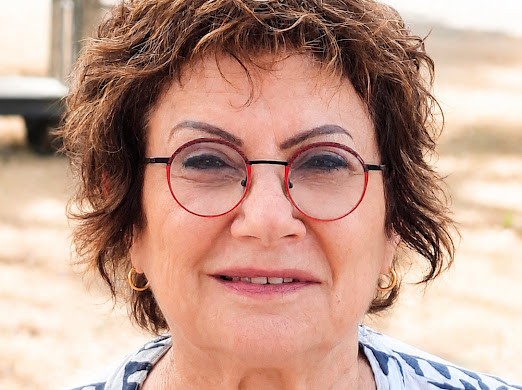
Anat Gihon
Credentials
Finances
- Chaim Levanon 91, Ramat-Aviv
- Tel-Aviv
- Kibbutz Hatzor-Ashdod
 Verified
Credentials
Psychotherapist, Bioenergetic Analyst
MA
Finances
350-500 NIS
None
Sliding Scale
- Chaim Levanon 91, Ramat-Aviv
- Tel-Aviv
- Kibbutz Hatzor-Ashdod
ABOUT THE THERAPIST
My name is Anat Gihon. I am a senior psychotherapist with over 35 years of experience working therapeutically with adults of all ages.
I believe that meaningful therapy can open the possibility for deep and lasting change — in the patterns we live by, in our relationships, in our sense of self-worth, and in our capacity to experience vitality, freedom and closeness.
The aim of therapy is to support a deeper connection with oneself and with others, to develop one's unique potential, strengthen a sense of inner security and stability, and expand the capacity for intimacy, freedom, pleasure and vitality.
I currently see clients in my private practice in Ramat Aviv and in Kibbutz Hatzor, where I live.
My approach is psychodynamic and integrates deep emotional listening with attention to the body and to the connection between physical and emotional processes. This is an approach that I also teach in Israel and internationally.
My work is integrative and may include talking and reflection, attention to bodily sensations and responses, exploration of patterns of thinking and beliefs, and an understanding of how significant life experiences have shaped the way a person sees themselves and moves through the world.
When appropriate, I may also incorporate individualized body-oriented work, including breathing, grounding, relaxation and emotional expression — always according to the person's needs and pace.
Over the years, I have accompanied people through a wide range of emotional difficulties and life challenges, including anxiety and depression, emotional overwhelm, difficulties in intimate and couple relationships, developmental trauma and trauma related to violence or sexuality, grief and separation, difficulties with self-expression, and questions of personal growth and fulfillment.
In therapy, I aim to create a space that feels safe, attentive and authentic, where people can gradually come into deeper contact with themselves. For me, the therapeutic relationship is at the heart of the process of change and healing.
Professional Experience & Leadership
- Over 35 years of experience in private clinical practice with adults of all ages
- Co-founder of the Israeli Institute for Bioenergetic Analysis
- Former Director of the Israeli Institute for Bioenergetic Analysis
- Former Head of the Institute's Training Committee
- Former Head of the professional training program
- Member of the senior teaching faculty of the Bioenergetic Analysis training program in Moscow
- Currently serving as the Faculty Representative on the Board of the International Institute for Bioenergetic Analysis (IIBA)
- Chair of the IIBA Ethics Committee
- International teacher and trainer of Bioenergetic Analysis
QUALIFICATIONS
MA
Lesley College
1984
Degree
MAEducation
Lesley CollegeYear of Graduation
1984Years in Practice
39
ADDITIONAL CREDENTIALS
Bioenergetic Therapist - since 1990
Member of the International Institute for Bioenergetic Analysis Faculty - since 2014
DISTANCE COUNSELING
Telephone Counseling, Online Therapy
PRIMARY SPECIALTIES
Adjustments
Anger Management
Anxiety / Panic
Depression
Family Issues
ADDITIONAL SPECIALTIES
Gender Identity Concerns
Grief
Life Transitions
Psychosomatic Disorders
Self-Esteem
Sexual Abuse / Rape
Stress Management
CLIENT FOCUS
Population
Adults
Couples
Languages Spoken
Hebrew
English
Native Language
Hebrew
TREATMENT APPROACH
Bioenergetic AnalysisBioenergetic Analysis is a form of psychotherapy that focuses on the body-mind connection. It is based on the belief that psychological issues are stored in the body and can be released through physical awareness and body work. This type of therapy uses a combination of talk therapy and exercises such as breath work, body movement, and massage. The goal is to help clients understand their issues and find ways to cope with them in a healthier way. It is a powerful and effective form of therapy that can help individuals heal from trauma, grief, and depression.
Body PsychotherapyBody psychotherapy is an integrative psychotherapy approach that combines psychodynamic, humanistic, and somatic approaches with the goal of treating psychological and physical distress. It emphasizes the connection between body and mind, and works to increase awareness of physical sensations and emotions. Body psychotherapy practitioners may use a variety of techniques, including mindfulness, body postures, breath work, relaxation, and sensory awareness, to help clients become more aware of their bodies and to learn how to use this awareness to improve their overall wellbeing.
PsychoanalysisPsychoanalysis is a form of psychotherapy that focuses on unconscious processes and is used to treat mental health conditions. It is based on the belief that unconscious conflicts are the root of psychological issues. It seeks to understand an individual's psychological experience, including thoughts, feelings, and behaviors, in order to identify patterns, uncover underlying conflicts, and gain insight into how these conflicts may be impacting the individual's life. Psychoanalysis is based on the idea that unconscious processes and experiences can affect behavior, mood, and relationships. The goal of psychoanalysis is to help the individual gain insight into these unconscious processes. Psychoanalysis suggests that the client’s symptoms can be reduced by bringing these conflicts into conscious awareness.
Psychodynamic TherapyPsychodynamic therapy is a form of therapy that focuses on the unconscious mind and how it affects behavior. It works to help people understand and work through past experiences and feelings that may be causing difficulties in the present. This type of therapy encourages individuals to explore their emotions, relationships, and behaviors in order to gain insight into their current difficulties. It can help individuals better understand themselves and their motivations, and gain insight into how past events have impacted their current lives. People tend to develop defense mechanisms when faced with challenges in life. Defense mechanisms may keep painful feelings, memories, and experiences in the unconscious. A few common defense mechanisms include: denial, repression, and rationalization. Psychodynamic therapists encourage people to speak freely about their emotions, desires, and fears. Being open may help uncover vulnerable feelings that have been pushed out of conscious awareness. According to psychodynamic theory, behavior is influenced by unconscious thought. Once painful feelings are brought forth and processed, the defense mechanisms are no longer needed and a person in treatment can start changing unhelpful patterns when coping with life’s challenges.
SERVICES OFFERED
Individual Therapy