Eating disorders can show up in almost any therapeutic setting, yet many therapists feel unprepared to recognize and address them. We may find ourselves sitting across from a client who is struggling with food, body image, or disordered eating, without fully recognizing what is happening or knowing how best to respond. Developing the knowledge and tools to navigate these situations is an essential part of providing competent care.
This two-day training aims to demystify eating disorders by providing clinicians with a comprehensive, compassionate, and clinically grounded understanding of these presentations. Participants will explore how eating disorders develop and are maintained, how they function as adaptive survival strategies, and how they manifest behaviourally, emotionally, relationally and physiologically across diverse presentations.
Course Overview
Grounded in a relational, trauma-informed and nervous-system-informed framework, the training integrates current understanding from attachment theory, polyvagal theory, somatic approaches, Internal Family Systems (IFS)-informed parts work, alongside behavioural and evidence-based interventions. Rather than positioning these approaches as competing models, participants will learn how they can be thoughtfully integrated to create treatment that is both safe and effective.
Day One: Understanding Eating Disorders
Day One provides participants with a comprehensive foundation for understanding eating disorders through relational, developmental and nervous-system-informed lenses.
Topics include:
- Understanding what eating disorders are and the full spectrum of disordered eating.
- Exploring how eating disorders develop and why they persist.
- Understanding eating disorders as adaptive survival strategies rather than problems of willpower or motivation.
- The role of trauma, attachment and the autonomic nervous system in eating disorder development and maintenance.
- The restriction–binge cycle, obsessive thinking and behavioural reinforcement.
- Recognising the different eating disorder presentations and how they may manifest across diverse bodies, ages and populations.
- Assessing medical, psychological and behavioural risk.
- Understanding levels of care, referral pathways and recognising when outpatient treatment is no longer appropriate.
- Reflecting on clinicians’ own relationship with food, body image and control, and considering how countertransference and therapist parts may influence treatment.
Day Two: Working Therapeutically with Eating Disorders
Day Two focuses on translating understanding into clinical practice by exploring practical, relational and integrative approaches to treatment.
Topics include:
- Comparing major treatment models, including CBT-E, DBT, Family-Based Treatment, psychodynamic and trauma-informed approaches, understanding their strengths, limitations and appropriate clinical application.
- Building a relational, trauma-informed therapeutic framework that prioritises safety, co-regulation and therapeutic alliance.
- Applying principles from polyvagal theory, somatic therapy and IFS-informed parts work to eating disorder treatment.
- Understanding behavioural interventions through a nervous-system-informed lens and introducing change in ways that minimise overwhelm and maximise engagement.
- Learning practical strategies for pacing, titration and working within clients’ window of tolerance.
Managing therapeutic ruptures, resistance and ambivalence while maintaining connection and appropriate challenge. - Working effectively with shame, perfectionism, identity, attachment and emotional regulation.
- Developing confidence in integrating multiple therapeutic approaches while remaining responsive to each client’s unique presentation.
- Exploring the impact of countertransference, maintaining clinician wellbeing, and cultivating reflective practice when working with complex eating disorder presentations.
Space in this course is limited. We will close registration when full capacity has been reached.
A limited number of need-based scholarships are available. If financial assistance would help make it possible for you to participate, please contact us to inquire.
Certificates of completion will be issued by The Israel Association of Mental Health Professionals.
Coffee/tea and light refreshments will be available throughout the day.
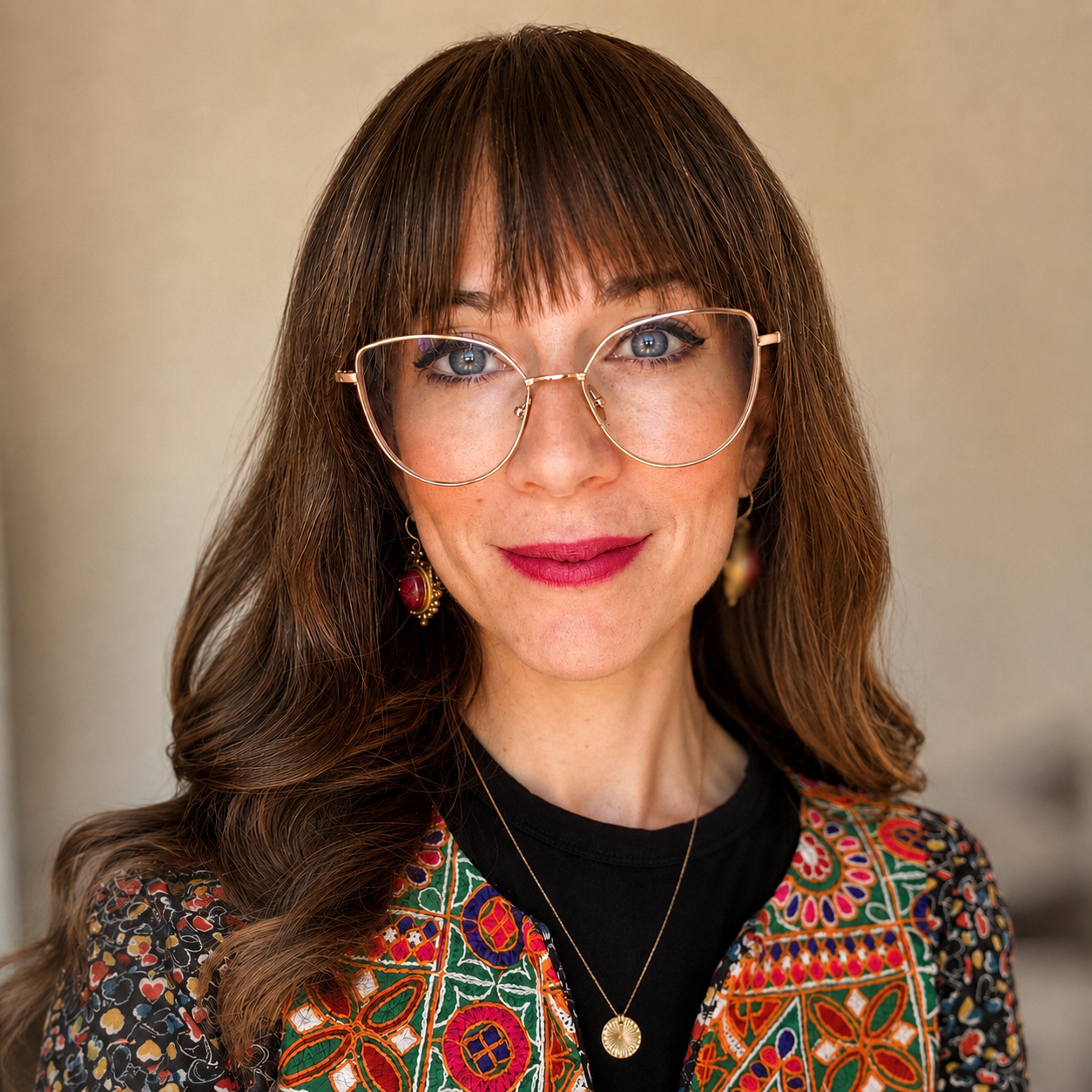
Hadassah Hazan, MSW
Hadassah Hazan, MSW is a Clinical Social Worker and Nutritional Coach supporting individuals with eating disorders, disordered eating, body image difficulties, relational trauma, attachment challenges, and identity transitions. She is passionate about helping both clients and clinicians feel less overwhelmed by the complexity of eating disorders and more confident in navigating them with compassion and skill.
Her work integrates evidence-based practice with a deeply relational and embodied approach, drawing on CBT-informed meal planning, somatic and polyvagal-informed therapy, narrative therapy, IFS-informed parts work, creative approaches, and Ketamine-Assisted Psychotherapy. Alongside her clinical work, Hadassah has taught in educational institutions, delivered professional trainings, and provided consultation to clinicians, equipping them with practical tools, confidence, and a deeper understanding of eating disorder treatment.