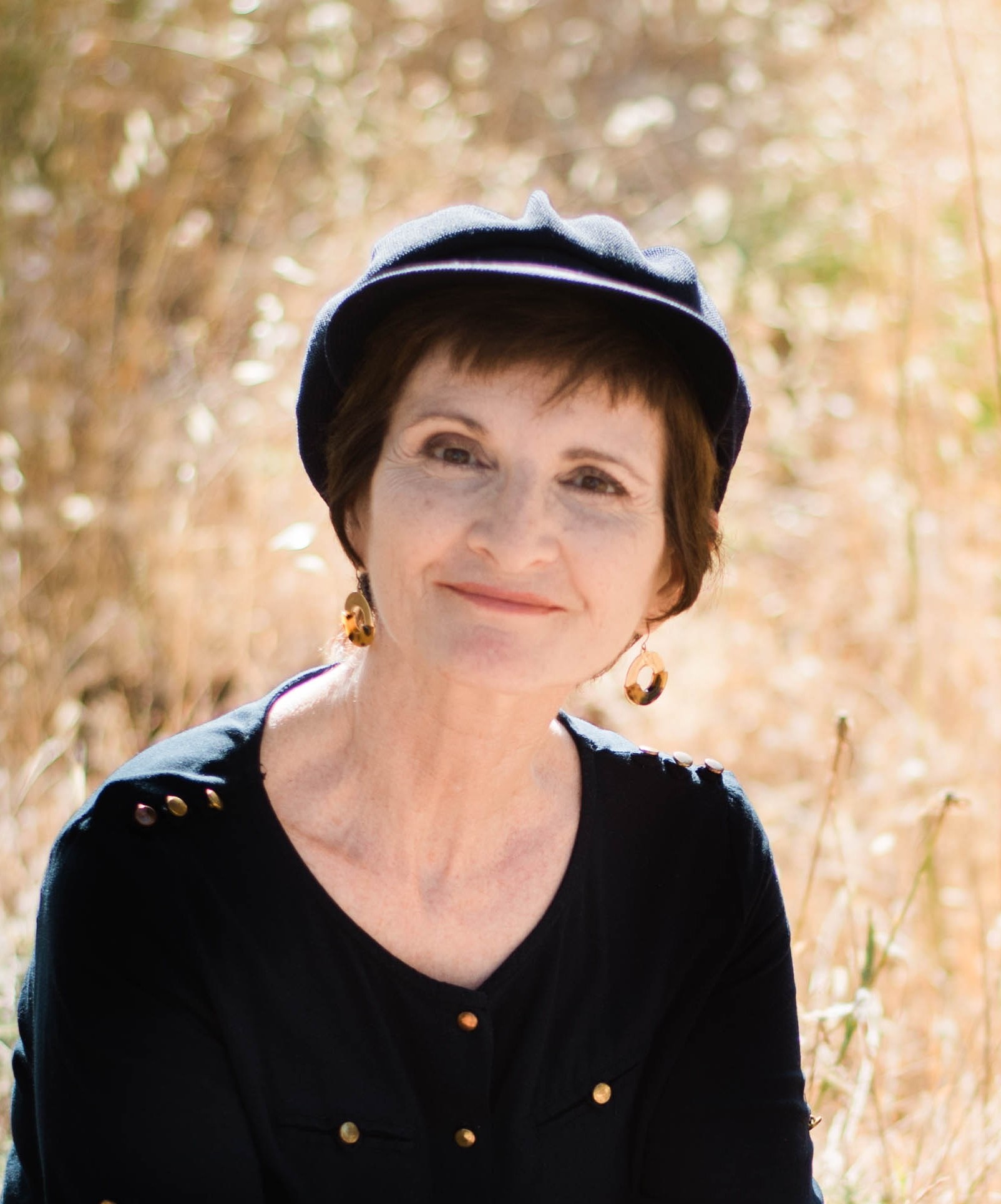
Photo of Elisabeth Wajnryt
Elisabeth Wajnryt , PsyD
Clinical Psychologist | Eating Disorders Specialist
Profile Community Forum Q&A
Photo of Elisabeth Wajnryt
Elisabeth Wajnryt, PsyD
Clinical Psychologist | Eating Disorders Specialist
Users: 1
Topics: 5
Posts: 1
Comments: 2

This forum was created to encourage open, thoughtful, and respectful conversations around mental health and emotional wellbeing. Our goal is to help reduce stigma, foster connection, and provide a supportive space where individuals can share experiences, insights, encouragement, and perspectives related to mental health topics. Read More

Please note that this space is intended for community discussion only. Posts and comments - including those made by mental health professionals - reflect personal opinions, experiences, and general information, and should not be considered psychotherapy, counseling, clinical guidance, diagnosis, treatment, crisis support, or professional mental health advice. Participation in this forum does not create a therapist-client relationship with any therapist or with Get Help Israel.

Get Help Israel does not assume responsibility for the accuracy, completeness, or reliability of user content shared within this space. Users are responsible for how they interpret and use information discussed in the forum.

To help maintain a safe and supportive environment, we ask all participants to engage respectfully and thoughtfully. Posts containing messages of harassment, discrimination, hate speech, personal attacks, shaming, or violations of another person’s privacy will not be approved. Please avoid sharing highly sensitive or identifying personal information in public discussions.

All comments and posts are subject to administrative approval and may be removed if deemed inappropriate, harmful, misleading, promotional, or inconsistent with the values of this community.

If you are experiencing a mental health crisis or need immediate support, please contact a mental health professional or a crisis helpline.

Avatar
db
Conversation Starter
24 Jun 2026

Friendship vs values?

Every marriage book or class I've ever heard always stresses the importance of dating someone with similar values and goals, suggesting that shared hobbies, interests, and styles may be an added bonus but are not crucial at all.

Having been married for over 10 years, I can look back now and see how this advice has failed us. While my wife's goals and values have stayed pretty much on par since then, I have changed over the years for better or worse (definitely healthier, in my opinion). Now, we are at a place where shared values and goals are a sore topic at best, and we don't really have a deep friendship to keep us going, making things quite difficult.

If we had similar hobbies, I can see how we might have built a solid friendship over the years, which could have carried us through as we changed and developed into the people we were meant to be. I do believe that deep down our core values still align, and that is what keeps us together, but the friction in how our differences pan out—combined with our lack of shared hobbies and interests—sure makes it difficult to maintain a friendly relationship at times.

So, I'm opening this up to the forum (and Elisabeth, of course): what do you think? Should daters even focus so heavily on shared goals and values? Or is it better to keep in perspective that life is dynamic, and instead focus on things that foster love and friendship, like character traits first, and yes, even similar hobbies and interests? Furthermore, can friendship be built later on when all those pieces were not there to begin with?

Avatar
Commentator
25 Jun 2026 at 11:29
Your question touches on many important aspects. Shared values are very important and, in my opinion, a fundamental premise when choosing a life partner. Interestingly, Gottman’s assessment questions about shared values are not about hobbies, but about beliefs and goals regarding finances, housework and childcare, spirituality, religion, ethics, and also having fun together. According to Gottman’s research, friendship is by far the most important foundation of a happy and long-lasting relationship. It means being interested in your partner and continuously updating your knowledge of their wishes, experiences, dreams, and changes over time. Enjoying the same things and having shared hobbies is certainly a plus, but according to Gottman’s research, a good marriage does not depend on it. Over time, we all change, and a strong friendship can help partners support each other’s changes, growth, and dreams. This is part of a process of differentiation and individuation that often follows the first years of a relationship, when the bond tends to be more symbiotic and based on how similar we are. When both partners share the highs and lows of life and feel supported throughout this individuation process, the relationship deepens and tends to become more pleasurable and fruitful. Symbiotic expectations and the dream of an ideal relationship gradually give way to a more supportive, realistic, and interesting one. And perhaps most importantly, friendship is not something that either exists or does not exist. Like intimacy, it can be cultivated and strengthened throughout the years if both partners remain curious about each other and continue investing in the relashionship. Eager to hear more opinions about it!
Reply
Your comment will be posted once it has been approved by an administrator.
Avatar
db
Conversation Starter
25 Jun 2026 at 19:53
Thanks for your informative reply. Although I understand how in the world at large—and even in many frum circles—relationships may start off strongly symbiotic, as you and Gottman suggest, moving from a 'we' to an 'I,' things are different in my community. In many religious circles, such as the one I am part of, couples start off as total strangers aside from shared common values and goals, plus an initial 'click.' They are then encouraged to build into this 'we'—this unity. In the beginning, friendship is barely there, if not just budding, and the marriage is heavily based on shared values, which may change over time. In short, the friendship that Gottman points out as so crucial hardly gets its foot in the door. When a marriage is based entirely on values and goals, any change creates automatic friction. If everything is based on those baseline values, I think it sets the relationship up for failure if anything shifts, because if personal shared interests are treated as less important, where exactly is that crucial friendship supposed to come from? You write that 'strong friendship can help partners support each other’s changes, growth, and dreams' and that 'friendship... can be cultivated and strengthened throughout the years if both partners remain curious about each other and continue investing in the relationship.' Sharing each other's dreams and remaining curious works well if there is a foundation of friendship to start with. In my marriage, our dreams conflict (and my dreams actually scare my wife), and she is not curious about me out of fear of how different my values and goals may have become. Meanwhile, when I think of her dreams, I feel stifled and lose some respect. Your answer falls short for me because it doesn't really address my issue, or the reality for many others who likely face this same problem. This includes many daters in frum circles who are encouraged to build the entirety of their beginning on a mountain of shared values as the pinnacle, while friendship is barely discussed.
Reply
Your comment will be posted once it has been approved by an administrator.