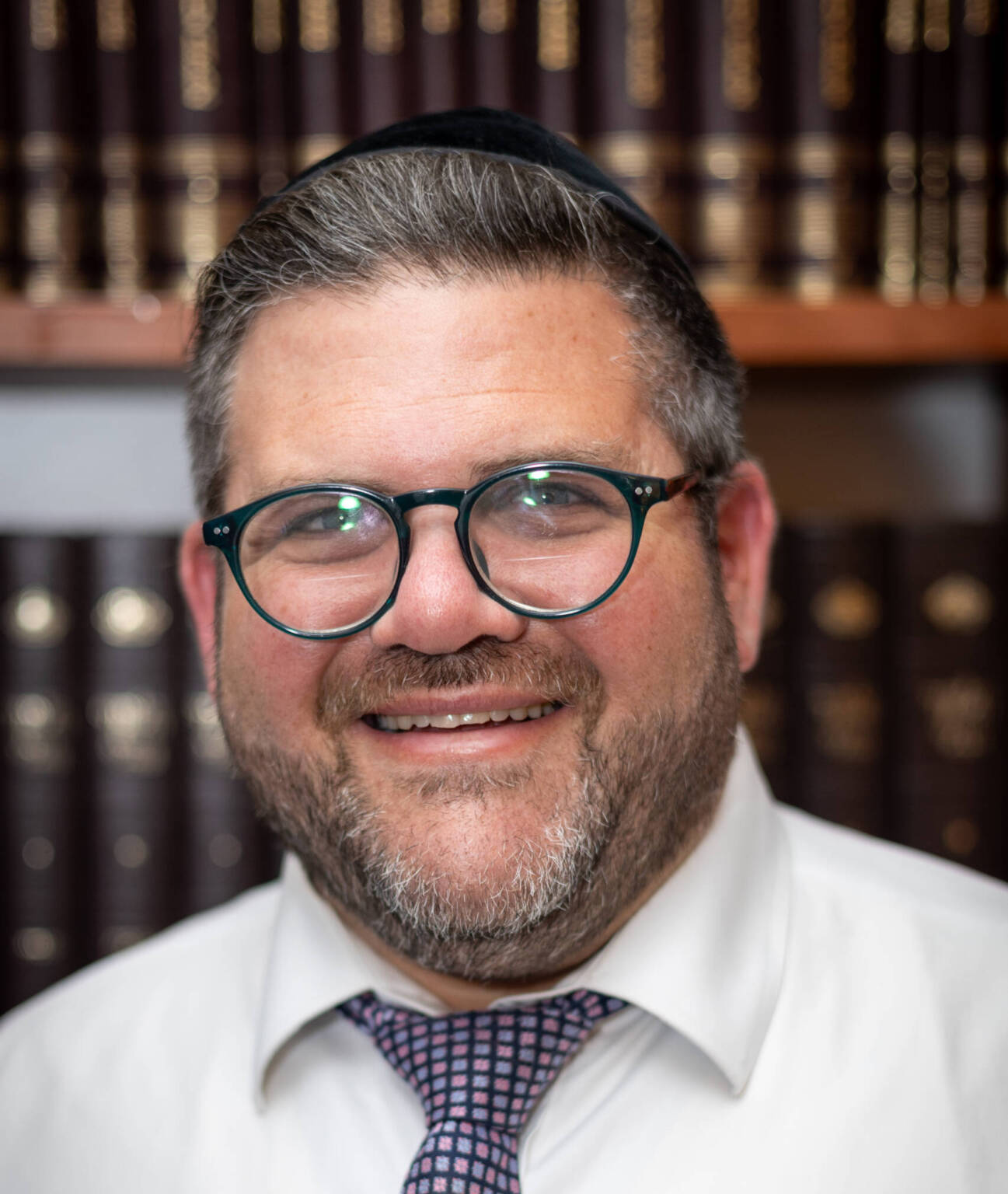
Yosef Topek
Credentials
Finances
- Harav Mordechai Eliyahu 7, RBSA Mishkafayim
- Beit Shemesh
- Shatner street 7, Givat Shaul
- Jerusalem
 Verified
Credentials
Psychologist
PsyD
Finances
350-500 NIS
None
Discounts for Hatzalah Volunteers
- Harav Mordechai Eliyahu 7, RBSA Mishkafayim
- Beit Shemesh
- Shatner street 7, Givat Shaul
- Jerusalem
ABOUT THE THERAPIST
Psychologist working with gap-year and yeshiva students and young adults, co-founder of Yishuv HaDaas, a collaborative practice specializing in work with yeshiva students, and also available to support parents during students’ transitions and challenges.
I take a down-to-earth approach focused on understanding each person’s unique background and helping them gain insight into what’s getting in the way, so they can move forward with greater clarity, confidence, and balance in their emotional struggles and relationships.
- Gap-year and yeshiva adjustment
- Anxiety and stress
- Depression and low mood
- Life transitions and identity development
- Motivation, burnout, and direction
- Relationship and communication challenges
- Family and parent–child concerns
- Religious stress and value conflicts
- Crisis support and acute emotional distress
My role is to provide a safe, supportive space where people feel understood and respected. I work collaboratively with clients to help them make sense of their experiences, identify what’s getting in the way, and develop practical tools to move forward with greater clarity, confidence, and balance.
I work with clients in Beit Shemesh and Jerusalem and offer sessions in English. My practice includes individual therapy for adolescents and adults, as well as parent consultation. I have extensive experience working with gap-year and yeshiva students and collaborate closely with families and educational frameworks when appropriate. I am co-founder of Yishuv HaDaas, a collaborative practice bringing together therapists with experience in working with yeshiva students. I also volunteer as a Mental Health Professional with Hatzalah Beit Shemesh, providing mental-health support in emergency and crisis situations.
QUALIFICATIONS
PsyD
Illinois School of Professional Spychology
2009
Degree
PsyDEducation
Illinois School of Professional SpychologyYear of Graduation
2009Years in Practice
15
REGISTERED PSYCHOLOGIST IN ISRAEL
Registration in Pinkas Hapsichologim
27-127830
DISTANCE COUNSELING
Online Therapy
PRIMARY SPECIALTIES
Depression
Family Issues
Life Transitions
Self-Esteem
Stress Management
ADDITIONAL SPECIALTIES
Adjustments
Anxiety / Panic
Mood Disorders
Parenting Issues / Training
Self-Harm / Suicide
CLIENT FOCUS
Population
Adolescents
Adults
Families
Men
Women
Languages Spoken
English
Native Language
English
TREATMENT APPROACH
Person-Centered Therapy (Rogerian Therapy)Person-centered therapy, or Rogerian therapy, was developed by Carl Rogers in the 1940’s. It is a form of talk therapy that emphasizes the importance of providing psychological safety, unconditional positive regard, and empathic understanding to clients. This type of therapy is based on the belief that individuals have an innate capacity for self-actualization and self-understanding and that the therapist's role is to provide a supportive environment in which this process can take place. Through the use of active listening, open-ended questions, and non-judgmental reflection, the therapist helps the client to explore their thoughts, feelings, and experiences in a safe and accepting environment. By doing so, clients are able to gain insight into their issues, develop a greater understanding of themselves, and work towards personal growth.
Psychodynamic TherapyPsychodynamic therapy is a form of therapy that focuses on the unconscious mind and how it affects behavior. It works to help people understand and work through past experiences and feelings that may be causing difficulties in the present. This type of therapy encourages individuals to explore their emotions, relationships, and behaviors in order to gain insight into their current difficulties. It can help individuals better understand themselves and their motivations, and gain insight into how past events have impacted their current lives. People tend to develop defense mechanisms when faced with challenges in life. Defense mechanisms may keep painful feelings, memories, and experiences in the unconscious. A few common defense mechanisms include: denial, repression, and rationalization. Psychodynamic therapists encourage people to speak freely about their emotions, desires, and fears. Being open may help uncover vulnerable feelings that have been pushed out of conscious awareness. According to psychodynamic theory, behavior is influenced by unconscious thought. Once painful feelings are brought forth and processed, the defense mechanisms are no longer needed and a person in treatment can start changing unhelpful patterns when coping with life’s challenges.
SERVICES OFFERED
Individual Therapy
Couples Therapy
Group Therapy