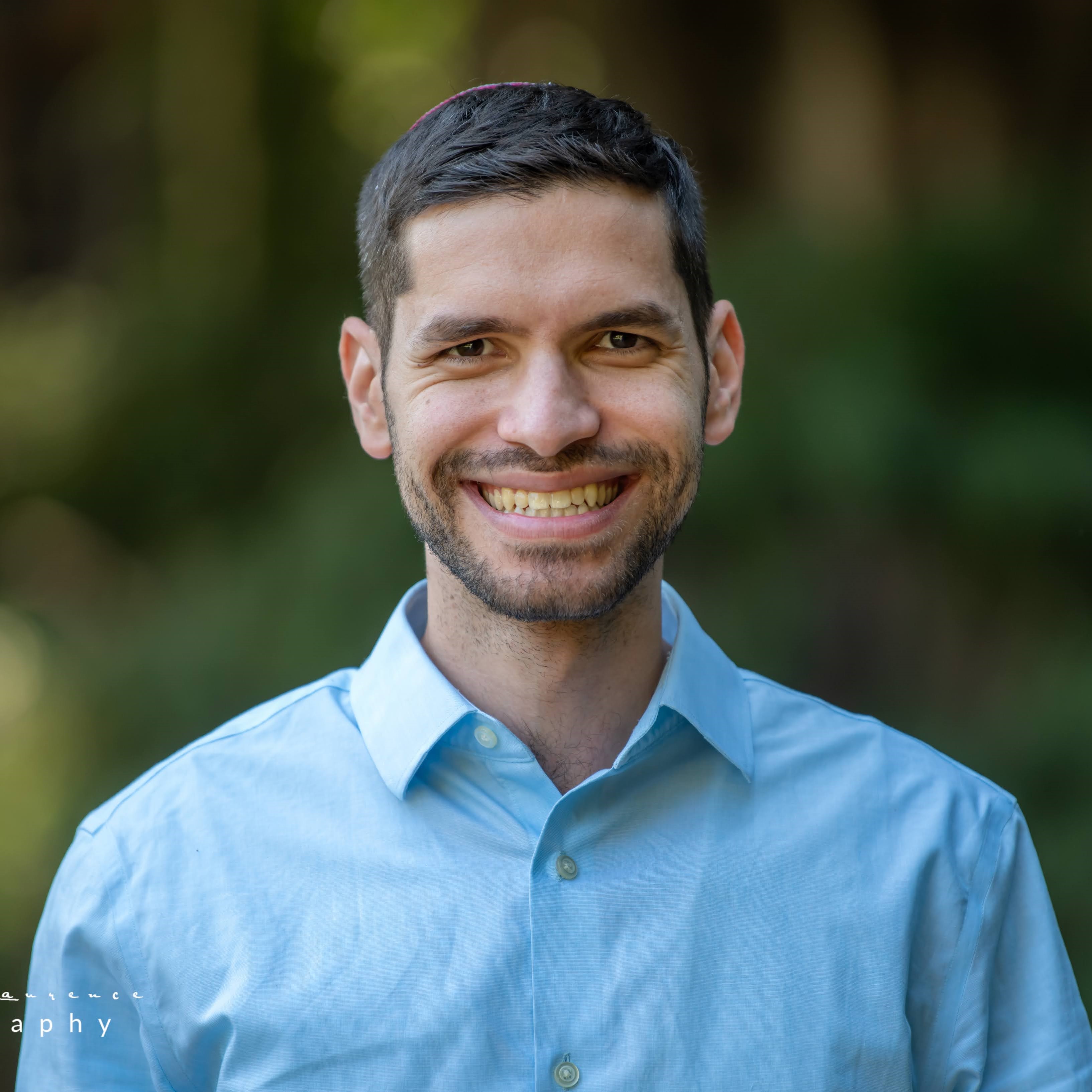
Uriel Krauss
Credentials
Finances
- Rechov Adoraim 101
- Kiryat Gat
 Verified
Credentials
Psychologist
MA
Finances
350-500 NIS
N/A
N/A
ABOUT THE THERAPIST
I am a psychologist working with clients in southern Israel and online. I place a strong emphasis on fostering a caring and accepting therapeutic relationship. I have significant experience treating a variety of challenges and disorders, including depression, anxiety disorders, OCD, PTSD, life transitions, personal identity, and relationship issues.
My approach to therapy is to tailor each treatment to the specific needs of each individual client. I have been trained in, and have worked with a variety of approaches, including: psychodynamic therapy (both long-term and short-term), cognitive behavioral therapy (CBT), mindfulness based CBT, and interpersonal psychotherapy (IPT).
I have significant experience working with a variety of challenges, including depression, anxiety, adjustment disorders, OCD, post-trauma, personality disorders, life transitions, personal identity, and relationship challenges. I currently work at Soroka Hospital's out-patient Psychiatric department and community clinic. I have worked with various populations over the years; including university students, yeshiva students, and reservists. I also have significant experience working with the LGBTQ community and extensive experience working online.
My role as a therapist is to cultivate a caring, accepting, understanding and supportive therapeutic relationship, as well as for the therapy to serve as a safe and secure space for you to share. This will help foster a greater understanding of yourself and to develop more effective coping with the difficulties and symptoms which you are facing.
My practice is located in Kiryat Gat and is handicap accessible.
QUALIFICATIONS
MA
Reichman University
2023
Degree
MAEducation
Reichman UniversityYear of Graduation
2023Years in Practice
3
REGISTERED PSYCHOLOGIST IN ISRAEL
Registration in Pinkas Hapsichologim
27-177939
DISTANCE COUNSELING
Online Therapy
PRIMARY SPECIALTIES
Anxiety / Panic
Depression
Life Transitions
Stress Management
Trauma / Post Traumatic Stress Disorder PTSD
ADDITIONAL SPECIALTIES
Adjustments
Family Issues
Gender Identity Concerns
Grief
LGBTQ
Obsessive Compulsive Disorder (OCD)
Personality Disorders
Phobias
Self-Esteem
Self-Harm / Suicide
Sleep / Insomnia
CLIENT FOCUS
Population
Adolescents
Adults
LGBTQ
Men
Women
Languages Spoken
English
Hebrew
Native Language
English
TREATMENT APPROACH
Cognitive Behavioral Therapy (CBT)Cognitive Behavioral Therapy (CBT) is a type of psychotherapy that focuses on how one's thoughts, feelings and behaviors are connected and can be changed. It is based on the idea that how we think (cognition) and how we feel (emotion) can influence how we behave. CBT helps people identify and challenge distorted thinking and replace it with more balanced thinking, leading to improved mood and behavior. ‘Homework’, usually containing practical writing exercises, is often completed by the client between sessions to reinforce the therapy. Examples of tools that practitioners often use are journaling, challenging beliefs, and mindfulness.
Interpersonal Psychotherapy (IPT)IPT focuses on the relationships and interactions an individual has with others. It is based on the premise that the way that we interact with others can have a significant impact on our emotional well-being. During IPT sessions, the practitioner will work with the client to identify patterns of behavior and communication that may be contributing to their emotional distress. They will then help the client learn new ways of interacting with others, as well as teach them coping skills to manage difficult emotions. It is a time-limited therapy, typically lasting between 12-16 weeks, with the goal of helping the client develop long-term coping skills.
Mindfulness-Based Cognitive Therapy (MBCT)Mindfulness-Based Cognitive Therapy (MBCT) is a form of therapy that combines cognitive behavioral therapy with mindfulness practices. It is based on the idea that our thoughts, emotions, and physical sensations can affect our mental health. MBCT helps individuals become aware of their thoughts, emotions, and physical sensations in order to gain insight and control over them. MBCT helps clients learn how to recognize their sense of being and see themselves as separate from their thoughts and moods. This separation can free the client from thought patterns in which the repeated negative messages may be dominating the client’s focus. After developing an awareness of the separation between thoughts, emotions, and the self, people in treatment may find that while the self and the emotions may exist simultaneously, they do not have to exist within the same dimension. The healing can take place when one learns how to interject positive thoughts into negative moods and thereby create a shift in mood.
Psychodynamic TherapyPsychodynamic therapy is a form of therapy that focuses on the unconscious mind and how it affects behavior. It works to help people understand and work through past experiences and feelings that may be causing difficulties in the present. This type of therapy encourages individuals to explore their emotions, relationships, and behaviors in order to gain insight into their current difficulties. It can help individuals better understand themselves and their motivations, and gain insight into how past events have impacted their current lives. People tend to develop defense mechanisms when faced with challenges in life. Defense mechanisms may keep painful feelings, memories, and experiences in the unconscious. A few common defense mechanisms include: denial, repression, and rationalization. Psychodynamic therapists encourage people to speak freely about their emotions, desires, and fears. Being open may help uncover vulnerable feelings that have been pushed out of conscious awareness. According to psychodynamic theory, behavior is influenced by unconscious thought. Once painful feelings are brought forth and processed, the defense mechanisms are no longer needed and a person in treatment can start changing unhelpful patterns when coping with life’s challenges.
Short-term Psychodynamic Therapy
SERVICES OFFERED
Individual Therapy
PROUD PARTICIPANT

Therapist's Experience with Gap Year Students
I worked for 3 years (2022-2025) as a psychologist at Ben-Gurion University, where I worked with Israeli and International students dealing with anxiety (including social and test anxiety), depression, and adjustment issues. I also spent 3 years as the head counselor of Yeshivat Sha'alvim's gap year program.