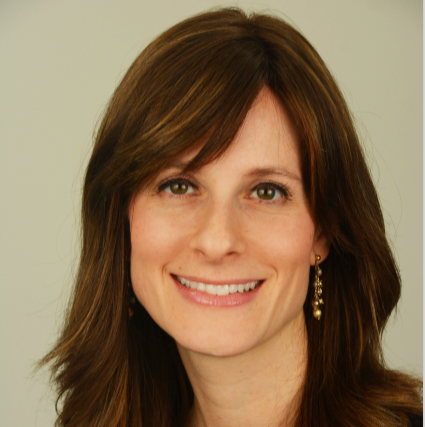
Talia Hindin
Credentials
Licensed Abroad
Finances
- Hakeren Hakayemet L'Yisrael
- Yerushalayim, 9043500
- Efrat
 Verified
Credentials
Psychologist
PsyD
Finances
350-500 NIS
None
N/A
- Hakeren Hakayemet L'Yisrael
- Yerushalayim, 9043500
- Efrat
ABOUT THE THERAPIST
Taking the first step in finding a therapist takes courage and can be a daunting task. I applaud you for taking this step. With a gentle demeanor, I aim to first and foremost meet my clients where they are on their journey of life.
We begin by establishing a therapeutic relationship. Then, together we identify treatment goals and work to uncover the individual’s strengths and reserves, which at times, are hidden and unknown. Recognizing and tapping into one’s strengths is a crucial element in the therapeutic work.
I use my eclectic background and training in the treatment of anxiety, various mood disorders, and challenges that arise with life transitions. I also have a passion for working in the field of maternal mental health treating individuals experiencing infertility, loss, and postpartum mood disorders.
Therapy is a collaborative conversation through which clients and I work to gain a greater understanding of the presenting challenges and obstacles faced. These may be personal or internal challenges, or perhaps difficulties in a relationship, with a spouse, friend, employer or even with one's own child. We focus on recognizing what is working and celebrating those successes, while also identifying areas of desired change.
In addition to developing an understanding of one’s internal workings, I also teach skills enabling the development of a personalized toolbox to utilize in coping with troubling situations and overwhelming emotions. I view the therapy room as a place where a person grows in self-awareness and self-efficacy, and along with the learned skills, is able to lead a more fulfilling life.
I am a New York State Licensed Clinical Psychologist and New York State Certified School Psychologist. I have completed additional training in Cognitive Behavioral Therapy (CBT), Dialectical Behavior Therapy (DBT), reproductive maternal mental health and perinatal loss. I have many years of experience working with children, adolescents and adults presenting with a range of challenges including life transitions, social challenges, anxiety, mood disorders, infertility and perinatal loss. I offer in-person therapy in Yerushalayim and Efrat, as well as teletherapy. Please reach out with any questions and I look forward to embarking on this journey together.
QUALIFICATIONS
PsyD
Ferkauf Graduate School of Psychology
2010
Degree
PsyDEducation
Ferkauf Graduate School of PsychologyYear of Graduation
2010Years in Practice
15
REGISTERED PSYCHOLOGIST IN ISRAEL
Registration in Pinkas Hapsichologim
27-198393
LICENSED IN THE USA
DISTANCE COUNSELING
Online Therapy
PRIMARY SPECIALTIES
Anxiety / Panic
Depression
Infertility
Life Transitions
Postpartum Depression
ADDITIONAL SPECIALTIES
Phobias
Self-Esteem
Stress Management
CLIENT FOCUS
Population
Adolescents
Adults
Men
Women
Languages Spoken
English
Hebrew
Native Language
English
TREATMENT APPROACH
Acceptance and Commitment Therapy (ACT)Acceptance and Commitment Therapy (ACT) is a form of psychotherapy that encourages individuals to accept their thoughts, feelings, and experiences without judgment and to use them as tools to help them to make changes in their lives that are consistent with their values. It is based on the idea that by changing the way we think about our inner experiences, we can reduce emotional distress and increase our sense of well-being.
Cognitive Behavioral Therapy (CBT)Cognitive Behavioral Therapy (CBT) is a type of psychotherapy that focuses on how one's thoughts, feelings and behaviors are connected and can be changed. It is based on the idea that how we think (cognition) and how we feel (emotion) can influence how we behave. CBT helps people identify and challenge distorted thinking and replace it with more balanced thinking, leading to improved mood and behavior. ‘Homework’, usually containing practical writing exercises, is often completed by the client between sessions to reinforce the therapy. Examples of tools that practitioners often use are journaling, challenging beliefs, and mindfulness.
Dialectical Behavior Therapy (DBT)Dialectical Behavior Therapy (DBT) is a type of cognitive-behavioral therapy developed by Marsha Linehan to help people learn to better manage and cope with emotions and stress. It focuses on developing skills and strategies to help regulate emotions, improve relationships and communication, and reduce self-destructive behaviors. Through DBT, people learn to identify and modify unhealthy thoughts and behaviors, while also learning to accept and validate their own feelings. DBT teaches skills to help individuals become aware of and accept and regulate their emotions, tolerate distress, and improve interpersonal relationships.
Psychodynamic TherapyPsychodynamic therapy is a form of therapy that focuses on the unconscious mind and how it affects behavior. It works to help people understand and work through past experiences and feelings that may be causing difficulties in the present. This type of therapy encourages individuals to explore their emotions, relationships, and behaviors in order to gain insight into their current difficulties. It can help individuals better understand themselves and their motivations, and gain insight into how past events have impacted their current lives. People tend to develop defense mechanisms when faced with challenges in life. Defense mechanisms may keep painful feelings, memories, and experiences in the unconscious. A few common defense mechanisms include: denial, repression, and rationalization. Psychodynamic therapists encourage people to speak freely about their emotions, desires, and fears. Being open may help uncover vulnerable feelings that have been pushed out of conscious awareness. According to psychodynamic theory, behavior is influenced by unconscious thought. Once painful feelings are brought forth and processed, the defense mechanisms are no longer needed and a person in treatment can start changing unhelpful patterns when coping with life’s challenges.
SERVICES OFFERED
Individual Therapy
Consultation
Family Therapy