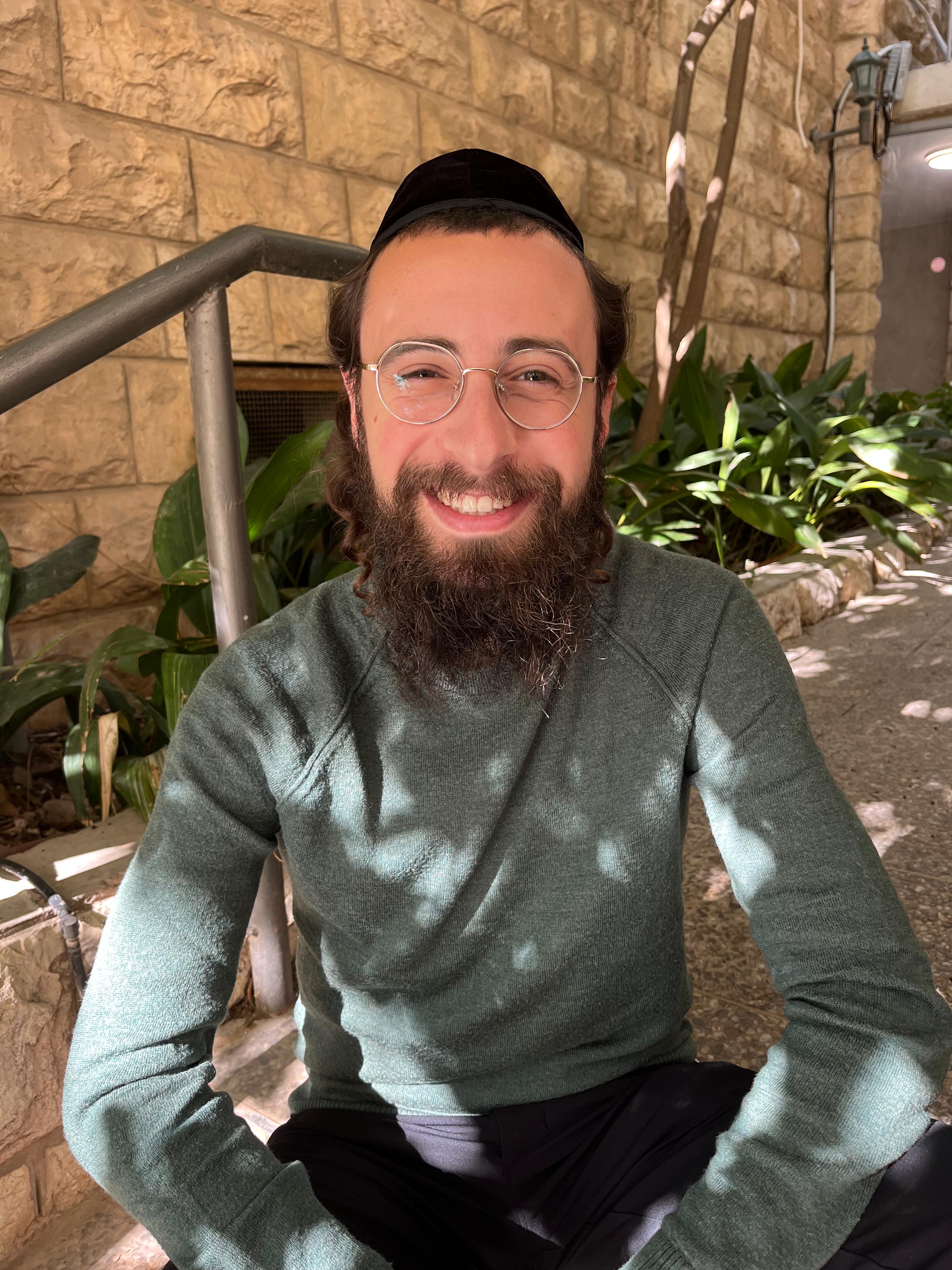
Jonathan Newman
Credentials
Licensed in Israel
Licensed Abroad
Finances
- Jerusalem
 Verified
Credentials
Social Worker
LMSW
Finances
350-500 NIS
None
Free Consultation
ABOUT THE THERAPIST
I offer a safe, nonjudgmental space to be yourself, explore openly and honestly, and gain the insight and tools you need to live fully.
One of the most insightful ways for me to truly understand what is happening for you outside of therapy, is by paying attention to the relationship and communication methods we develop in our therapy. Sometimes the slightest thing like a droop of the shoulders or a facial expression can reveal a lot about what a person is going through. It is through simple points like these where a lot of insight can be gained, and a lot of healing can occur. Through creating a safe, open and honest therapeutic environment, we can journey together towards your goals and achieve them.
I specialize in helping clients navigate anxiety and social anxiety, trauma and relational trauma, depression, existential concerns, and challenges in relationship dynamics. My approach paired with my skills supports both emotional healing and personal growth, with an emphasis on developing deeper self-understanding and authentic connection.
My role as a therapist can shift throughout our work together. At times, there may be a need for direction and guidance; at other times, what can be most helpful is simply being heard and validated. I strive to create a therapeutic environment where you feel genuinely seen and understood - one that allows for both compassionate support and meaningful challenge as we explore deeper layers of your experience.
I am currently seeing clients remotely, with plans to offer both in-person and remote sessions in the near future. I work with men, women and couples.
QUALIFICATIONS
LMSW
Touro University Graduate School of Social Work
2022
Degree
LMSWEducation
Touro University Graduate School of Social WorkYear of Graduation
2022Years in Practice
2
LICENSED IN ISRAEL
Registered Social Worker in Israel
48601
LICENSED IN THE USA
DISTANCE COUNSELING
Online Therapy
PRIMARY SPECIALTIES
Anxiety / Panic
Depression
Self-Esteem
Spiritual Concerns
Trauma / Post Traumatic Stress Disorder PTSD
ADDITIONAL SPECIALTIES
Adjustments
Couples / Relationship / Marriage Counseling
Grief
Life Transitions
CLIENT FOCUS
Population
Adults
Couples
Men
Women
Languages Spoken
English
Native Language
English
TREATMENT APPROACH
Acceptance and Commitment Therapy (ACT)Acceptance and Commitment Therapy (ACT) is a form of psychotherapy that encourages individuals to accept their thoughts, feelings, and experiences without judgment and to use them as tools to help them to make changes in their lives that are consistent with their values. It is based on the idea that by changing the way we think about our inner experiences, we can reduce emotional distress and increase our sense of well-being.
Existential PsychotherapyExistential psychotherapy is a form of psychotherapy that emphasizes an individual’s subjective experience of existence. It is a philosophical approach to psychotherapy that views the individual as ultimately responsible for creating a meaningful life. This form of psychotherapy helps individuals explore their subjective experiences, understand their personal values and beliefs, find ways to live more authentically, and make meaningful choices. The ultimate goal is to help the individual reach a greater sense of self-awareness and personal fulfillment.
Internal Family Systems (IFS)Internal Family Systems (IFS) is an evidence-based psychotherapy that uses the metaphor of an internal family of parts to help people gain awareness of how different parts of themselves can interact in healthy and unhealthy ways. IFS encourages people to become curious about their different parts, with the goal of helping them gain access to their true Self or core. Through this process, people can learn to recognize and care for the different parts of themselves, as well as develop compassionate understanding for the origins of their parts. A key principle of IFS is that each part within the person has its own positive intention and is trying to protect the person in some way. By understanding the positive intention of each part, the practitioner and client can work together to help the parts feel heard and understood, and to find more adaptive ways of meeting their needs. IFS has been found to be an effective treatment for a variety of mental health issues, including depression, anxiety, trauma, and relationship issues.
Psychodynamic TherapyPsychodynamic therapy is a form of therapy that focuses on the unconscious mind and how it affects behavior. It works to help people understand and work through past experiences and feelings that may be causing difficulties in the present. This type of therapy encourages individuals to explore their emotions, relationships, and behaviors in order to gain insight into their current difficulties. It can help individuals better understand themselves and their motivations, and gain insight into how past events have impacted their current lives. People tend to develop defense mechanisms when faced with challenges in life. Defense mechanisms may keep painful feelings, memories, and experiences in the unconscious. A few common defense mechanisms include: denial, repression, and rationalization. Psychodynamic therapists encourage people to speak freely about their emotions, desires, and fears. Being open may help uncover vulnerable feelings that have been pushed out of conscious awareness. According to psychodynamic theory, behavior is influenced by unconscious thought. Once painful feelings are brought forth and processed, the defense mechanisms are no longer needed and a person in treatment can start changing unhelpful patterns when coping with life’s challenges.
SERVICES OFFERED
Individual Therapy
Couples Therapy
Therapist's Experience with Gap Year Students
I have worked in yeshiva settings and clinic settings with gap year age emerging adults. We'll work together to enable you to grow, to understand yourself and your history better, and to learn how to overcome mental, emotional and spiritual challenges, one step at a time.