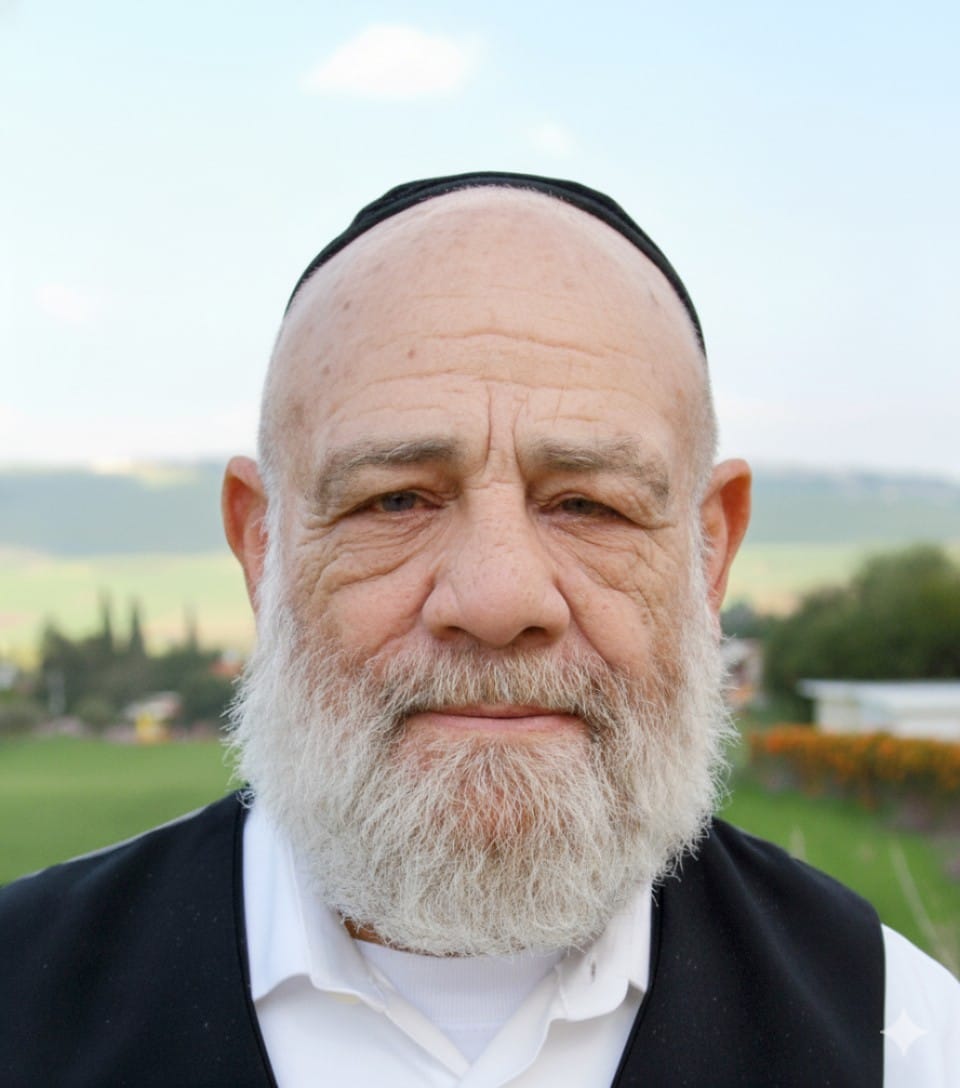

 Verified
Credentials
Psychiatrist
MD
Finances
900+ NIS
N/A
Case by case

ABOUT THE THERAPIST
I've worked in the medical profession since the 1970's, as a US Army Corpsman, Licensed Vocational Nurse, Registered Nurse and as a psychiatrist since 1986.
I believe each patient is a unique world, speaking their own special language. Part of my work is learning to understand that language. Each person must find the light that illuminates their best self, and like prophecy, it only becomes clear when they are in a relaxed and comfortable state of mind. Through careful listening, I try to find a proper diagnosis and design specific treatment options. This may include the use of conventional medications, adjusting or modifying medications, or helping patients to wean off their medications, as indicated by mutual agreement. I'm open to alternative biologic treatments, including vitamin or herbal therapies.
I've worked in numerous settings, including inpatient and outpatient, geriatric units, veteran clinics, parole clinics and incarcerated populations. A large part of my training is to incorporate psychotherapy with medication management.
I work to reduce suffering and enhance positive viewpoints to achieve self-mastery.
QUALIFICATIONS
MD
Autonomous University of Ciudad Juarez
1981
Degree
MDEducation
Autonomous University of Ciudad JuarezYear of Graduation
1981Years in Practice
39
LICENSED IN ISRAEL
Psychiatry License Number
1-75249
LICENSED IN THE USA
ADDITIONAL CREDENTIALS
Diplomate, American Board of Psychiatry & Neurology
DISTANCE COUNSELING
Online Therapy
PRIMARY SPECIALTIES
Anxiety / Panic
Bipolar Disorder
Obsessive Compulsive Disorder (OCD)
ADDITIONAL SPECIALTIES
Borderline Personality Disorder
Depression
Dissociative Disorders
Mood Disorders
Personality Disorders
Schizophrenia / Psychosis
Self-Harm / Suicide
Sleep / Insomnia
Trauma / Post Traumatic Stress Disorder PTSD
CLIENT FOCUS
Population
Adults
Men
Women
Geriatric
Languages Spoken
English
Spanish
Native Language
English
TREATMENT APPROACH
BehaviorismBehaviorism is an approach to psychology that emphasizes the role of the environment in shaping behavior. It is based on the assumption that behavior is determined by environmental influences, such as reinforcements and punishments, rather than by internal influences, such as thoughts and feelings.
Existential PsychotherapyExistential psychotherapy is a form of psychotherapy that emphasizes an individual’s subjective experience of existence. It is a philosophical approach to psychotherapy that views the individual as ultimately responsible for creating a meaningful life. This form of psychotherapy helps individuals explore their subjective experiences, understand their personal values and beliefs, find ways to live more authentically, and make meaningful choices. The ultimate goal is to help the individual reach a greater sense of self-awareness and personal fulfillment.
Psychodynamic TherapyPsychodynamic therapy is a form of therapy that focuses on the unconscious mind and how it affects behavior. It works to help people understand and work through past experiences and feelings that may be causing difficulties in the present. This type of therapy encourages individuals to explore their emotions, relationships, and behaviors in order to gain insight into their current difficulties. It can help individuals better understand themselves and their motivations, and gain insight into how past events have impacted their current lives. People tend to develop defense mechanisms when faced with challenges in life. Defense mechanisms may keep painful feelings, memories, and experiences in the unconscious. A few common defense mechanisms include: denial, repression, and rationalization. Psychodynamic therapists encourage people to speak freely about their emotions, desires, and fears. Being open may help uncover vulnerable feelings that have been pushed out of conscious awareness. According to psychodynamic theory, behavior is influenced by unconscious thought. Once painful feelings are brought forth and processed, the defense mechanisms are no longer needed and a person in treatment can start changing unhelpful patterns when coping with life’s challenges.
Diagnostic
SERVICES OFFERED
Individual Therapy
Consultation
Medication Management
Psychiatric Evaluation