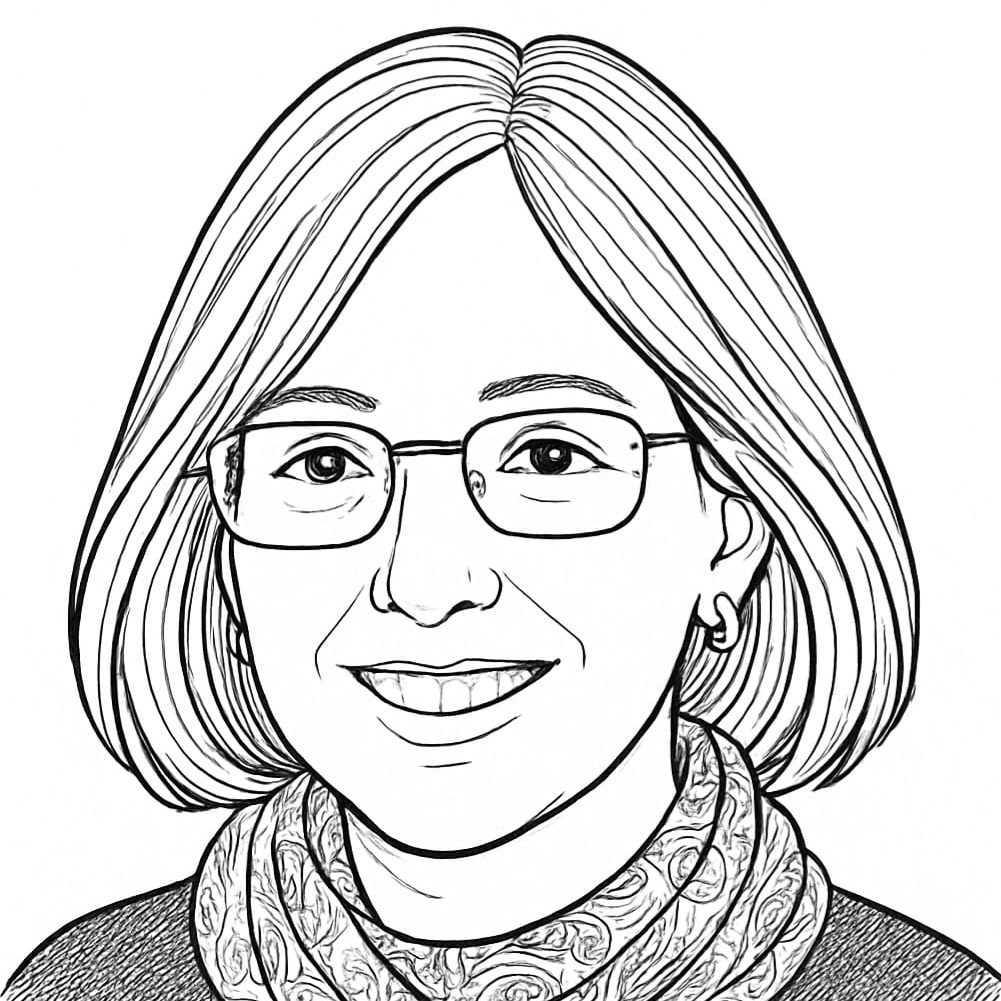
Eydl Reznik
Credentials
Finances
- 126 Keren Hayesod, Artists' Quarter
- Tzfat, 13201
- 0723974801
- Email Me
- Free Consultation
-
 Business HoursEveningsFridays/Weekends
 Verified
Credentials
Life Coach
Coaching Certificate
Finances
250-350 NIS
None
Free Consultation

ABOUT THE THERAPIST
Are you searching for a compassionate, Torah-based, woman's life coach, who is certified and experienced? I am here for you, as you become whole, healing from the inside-out, and become the resilient Jewish woman that you want to be.
Drawing from Torah Hashkafa, up-to-date medical research and the mind-body-soul connection, I work with you in an integrative approach, where your emotions, sensations, concerns, memories and view of life are explored in a safe, friendly and professional manner. Whether you are experiencing stress, trauma, PTSD, loss, grief, addictions, anxiety, depression, women's health issues, chronic pain, long-term caregiving, parenting challenges or ADHD/ Gifted-thinking, I am here to help you shift in a meaningful process towards your renewed, personal goals and self-discovery. In our meetings, you are an active partner, as we explore modalities that bring forth your ingenuity and creativity, integrate memory, regulate reactivity, and develop your resources and coping skills. Using the vast skillset that I have gathered in the field, teaching, writing, coaching and mentoring, I provide you with a tailor-made pathway towards your own healing. You come home after each meeting in a renewed state, bringing you up to the next level of self-knowledge, internal growth, recovery, resilience, peace of mind and immediately, usable skills that will last you a lifetime.
Working in frum communities and seminaries for decades, allows me to weave multiple levels of awareness and sensitivity into my work with Jewish women ages 18+. I coach in three languages: English, Yiddish and Hebrew.
I am skilled in: stress & anger management, trauma healing, addiction recovery, IFS, Memory Integration, transforming anxiety and depression into activity and dignity, ground-breaking Torah-based Breathwork and Boundary-work, Somatic Experiencing / Sensory Issues (Dr. P. Levine), Inner Child, Attachment work, Narrative therapy, EFT, trauma-informed CBT, shared experiences, Generous Listening (Dr. R. Naomi Remen), finding meaning in daily life (Dr. V. Frankel), Polyvagal work (Dr. S. Porges).
My services as a coach also include: Voice Therapy, Psychodrama, Movement & Dance (Dr. Van der Kolk), TMS Therapy (Dr. J. Sarno), ExerSafe Techniques™ for internal woman's health & PF care, G.A.P.™Parent training, ADHD management, and Home Caregivers support.
I am here to support you. To listen and see your pain. To be a witness and to gently guide you to see yourself. To recognize the relationships that affect you and the resources you have developed throughout life. To integrate difficult memories from the past, so that they no longer attack you. To be grounded and balanced in the present so that you experience the love and joy of positive living; and together look into your future vision for yourself, B"H, as you grow and expand through your inner work.
My practice is based in Tzfat, in my cheerful home, and clients meet me regularly on Zoom, from all over the world. I run programs for groups of women, both live and on Zoom, training and encouraging skills of self-regulation, creativity and self-care techniques.
I am the founder and director of TorahParentCoach.com/ בדרך המלך, and the G.A.P.™Parent training programs, which has haskamas from rabbanim, mental health and medical professionals. I have authored articles in Mishpacha Magazine, Bina Magazine and Shaa Tova Magazine. At the Annual Nefesh Conference, I lectured on alternative modalities to diagnose and treat ADHD. I taught chinuch in Chaya Mushka Seminary for over 20 years and am an inspirational speaker on issues of developing family unity throughout life's challenges.
QUALIFICATIONS
Coaching Certificate
Torah Psychology School of Coaching and Counseling
2021
Degree
Coaching CertificateEducation
Torah Psychology School of Coaching and CounselingYear of Graduation
2021Years in Practice
5
ADDITIONAL CREDENTIALS
Viktor Frankl Award of Achievement - Torah Psychology - 2024
Trauma-Healing Life Coaching - Torah Psychology - 2023
Addiction Recovery Life Coaching - Torah Psychology - 2021
Viktor Frankl Transformational Life Coaching - Torah Psychology - 2023
Dance Aerobics Instructor - Wingate Institute - 2015
IFS-Inner Child Coaching - Torah School of Psychology - 2024
DISTANCE COUNSELING
Telephone Counseling, Online Therapy
PRIMARY SPECIALTIES
Addictions
Attention Deficit Hyperactivity Disorder (ADHD)
Family Issues
Parenting Issues / Training
Trauma / Post Traumatic Stress Disorder PTSD
ADDITIONAL SPECIALTIES
Abuse
Anger Management
Anxiety / Panic
Behavioral Concerns In Children
Codependency
Depression
Grief
Holistic
Learning Disabilities
Postpartum Depression
Self-Esteem
Spiritual Concerns
CLIENT FOCUS
Population
Adolescents
Adults
Women
Languages Spoken
English
Hebrew
Yiddish
Native Language
English
TREATMENT APPROACH
Cognitive Behavioral Therapy (CBT)Cognitive Behavioral Therapy (CBT) is a type of psychotherapy that focuses on how one's thoughts, feelings and behaviors are connected and can be changed. It is based on the idea that how we think (cognition) and how we feel (emotion) can influence how we behave. CBT helps people identify and challenge distorted thinking and replace it with more balanced thinking, leading to improved mood and behavior. ‘Homework’, usually containing practical writing exercises, is often completed by the client between sessions to reinforce the therapy. Examples of tools that practitioners often use are journaling, challenging beliefs, and mindfulness.
Cognitive Processing TherapyCognitive Processing Therapy is used to treat trauma and PTSD. During therapy, clients identify and understand their beliefs about their responses to their trauma. Inspecting their beliefs often leads clients to understand their emotions and thoughts in relation to the trauma. When the client is ready, practitioners give them tools to challenge their thoughts of the trauma as well as provide homework to solidify what they learned in sessions. In the later stages of therapy, practitioners teach clients how belief systems (about safety, self-esteem, trust, intimate relationships, control, and power) can change after trauma.
Compassion-Focused Therapy (CFT)Compassion-Focused Therapy (CFT) is an integrative psychological approach that focuses on building compassion for oneself and others. It combines elements of cognitive behavioral therapy, evolutionary psychology, philosophy, and Eastern contemplative traditions. CFT is based on the concept that compassion is a fundamental human emotion that can be cultivated to promote psychological well-being. The goal of CFT is to help individuals understand and relate to their emotions in a compassionate and non-judgmental way. It encourages clients to develop a sense of self-compassion and understanding, and to use it to create healthier ways of living. CFT also emphasizes developing a compassionate relationship with others, and can help foster greater acceptance and understanding. The primary therapeutic technique of CFT is compassionate mind training (CMT). Some CMT tools that clients may participate in are appreciation exercises, mindfulness, and compassion-focused imagery exercises. These exercises promote compassionate motivation, sympathy, sensitivity, and distress tolerance within clients.
Dance / Movement Therapy (DMT)Dance Movement Therapy (DMT) is a psychotherapeutic approach that uses movement as a medium for self-expression, exploration, and healing. It is based on the belief that the body and mind are interconnected, and that the body is a source of knowledge and wisdom. Through the practice of DMT, individuals are encouraged to explore movement in order to gain insight into their emotional state and gain insight into the underlying causes of their difficulties. The goal of DMT is to help individuals identify, process, and integrate their emotions, thoughts, and behaviors in order to improve their overall well-being.
Drama TherapyDrama therapy encourages clients to express their feelings and solve problems through storytelling, puppetry, role-playing, games, scripts, improvisation, and performance. Through role playing, improvisation, and creative expression, clients can practice scenarios like being in a relationship, or rehearse new skills that they would like to incorporate into their daily lives. Through these activities, the client can explore feelings, gain insight, and increase self-awareness. In addition, the client can gain new perspectives, develop communication skills, and practice problem-solving strategies. Drama therapy can also help build self-confidence and foster resilience.
Emotional Freedom TechniqueEmotional Freedom Technique (EFT) is an alternative therapy for emotional and physical distress. It is based on the idea that the cause of all negative emotions is a disruption in the body's energy system. EFT is a form of psychological acupressure, in which a combination of physical tapping and verbal affirmations are used to help the body release the emotional and physical distress.
Family Attachment Narrative TherapyFamily Attachment Narrative Therapy is a form of psychotherapy that focuses on helping individuals to develop secure, healthy attachments to their family members. This type of therapy focuses on the narrative, or stories, that individuals tell about their family relationships and how they view themselves in those relationships. Through this therapeutic process, individuals are encouraged to explore their past experiences with family members, gain a better understanding of their current family dynamics, and develop healthier, more secure attachments to their family members. Therapists using this approach believe that the caregivers are the most crucial component in the healing process, and therefore incorporate caregiver narratives as an important part of the therapeutic process in addressing and repairing the unmet needs of the client. This approach to treatment is primarily designed for children, teens, and young adults who are experiencing issues related to identity, disrupted attachment, and early childhood trauma.
Guided ImageryGuided imagery is a form of visualization used for relaxation and healing. It uses the power of the imagination to create positive changes in a person's thoughts, feelings, and behaviors. It is also used to reduce stress and anxiety, cope with physical and emotional pain, increase motivation, confidence, and self-esteem, and to improve focus and concentration. During a guided imagery session, the practitioner will guide the client through a series of visualizations, using words and descriptions to help them create mental images in their mind. These visualizations can take many forms, such as a comforting place from the past or the client’s future goals.
Internal Family Systems (IFS)Internal Family Systems (IFS) is an evidence-based psychotherapy that uses the metaphor of an internal family of parts to help people gain awareness of how different parts of themselves can interact in healthy and unhealthy ways. IFS encourages people to become curious about their different parts, with the goal of helping them gain access to their true Self or core. Through this process, people can learn to recognize and care for the different parts of themselves, as well as develop compassionate understanding for the origins of their parts. A key principle of IFS is that each part within the person has its own positive intention and is trying to protect the person in some way. By understanding the positive intention of each part, the practitioner and client can work together to help the parts feel heard and understood, and to find more adaptive ways of meeting their needs. IFS has been found to be an effective treatment for a variety of mental health issues, including depression, anxiety, trauma, and relationship issues.
LogotherapyLogotherapy is based on the belief that our primary motivation for living is to find meaning and purpose in life. Logotherapy was developed by Viktor Frankl, a psychiatrist and Holocaust survivor. It focuses on discovering a person's unique meaning and purpose, and helping them to live a meaningful/purposeful life. This type of therapy is goal-oriented and often involves exploring a person's life experiences, values, and beliefs. Logotherapy may also involve creative activities such as writing, music, art, and other creative outlets.
Narrative TherapyNarrative therapy is a form of psychotherapy that focuses on the stories, or narratives, of a person's life in order to help them gain insights into their situation and develop skills to make positive changes. It is based on the idea that people construct their own stories and meanings to make sense of their lives and experiences. It emphasizes the strengths, values, and skills of the person, while also exploring the influences of culture and context on their life. Narrative therapy seeks to empower individuals by helping them to identify and use their inner resources to overcome challenges and create positive change.
Person-Centered Therapy (Rogerian Therapy)Person-centered therapy, or Rogerian therapy, was developed by Carl Rogers in the 1940’s. It is a form of talk therapy that emphasizes the importance of providing psychological safety, unconditional positive regard, and empathic understanding to clients. This type of therapy is based on the belief that individuals have an innate capacity for self-actualization and self-understanding and that the therapist's role is to provide a supportive environment in which this process can take place. Through the use of active listening, open-ended questions, and non-judgmental reflection, the therapist helps the client to explore their thoughts, feelings, and experiences in a safe and accepting environment. By doing so, clients are able to gain insight into their issues, develop a greater understanding of themselves, and work towards personal growth.
PsychodramaPsychodrama is a form of experiential therapy that can help people gain insight into their own behavior and develop healthier coping strategies. It involves using role-playing and group dynamics to explore and act out different scenarios in a safe setting. Psychodrama is grounded in principles of creativity and spontaneity. It evokes cognitive, emotional, and behavioral responses in those in treatment and helps them achieve new perspectives through better understanding of their roles in life and the ways that they interact with others.
Somatic Experiencing (SE)Somatic Experiencing (SE) is a body-oriented approach to the healing of trauma and other physical and psychological stresses. It is based on the idea that the body is a powerful source of healing and that unresolved trauma can be resolved through the process of bringing awareness and attention to the physical sensations of the body. By gradually and gently guiding individuals through the sensations associated with their traumatic experience, SE can help to restore balance and well-being more quickly and effectively than traditional psychotherapy. SE utilizes the body’s natural ability to regulate and heal itself and supports individuals in developing more resilience and self-regulation. Somatic Experiencing aims to help people move past the place where they might be “stuck” in processing a traumatic event. SE is often used to treat symptoms of post-traumatic stress disorder (PTSD), anxiety, depression, and other mental health issues.
Trauma-Focused Cognitive Behavioral Therapy (TF-CBT)Trauma-Focused Cognitive Behavioral Therapy (TF-CBT) is an evidence-based practice used to help children, adolescents and their parents who have experienced a single or multiple traumatic events. This type of therapy combines cognitive and behavioral strategies to help people process their traumatic experiences, manage their distress, develop coping skills, and restore their sense of safety and well-being. TF-CBT focuses on education and skill-building, creating an environment of safety and trust, and using therapeutic activities to help people understand their responses and control their symptoms. Children are shown how perceptions may be distorted and are given the tools to redesign those perceptions. TF-CBT is a skills-based model, and it requires the child and parent to practice its components in order to be optimally effective. Parents and children are commonly asked to practice skills at home.
SERVICES OFFERED
Coaching
Consultation
Group Therapy
Hadrachat Horim
Workshops/Educating