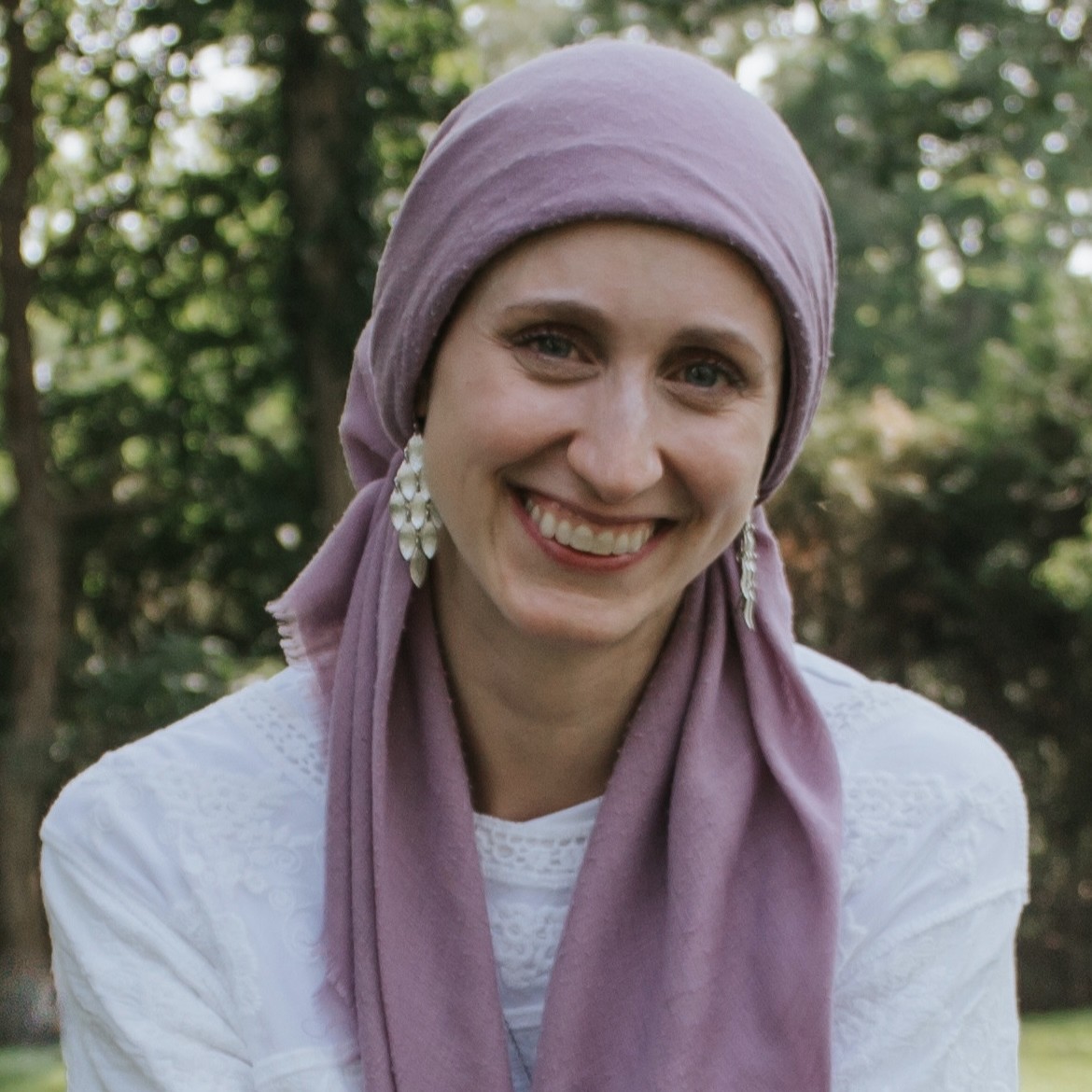
Emily Steier
Credentials
Licensed in Israel
Finances
- Beit HaKerem St
- Jerusalem
 Verified
Credentials
Psychiatrist
MD
Finances
700-900 NIS
None
Sliding Scale
ABOUT THE THERAPIST
Compassionate psychiatric and psychotherapeutic care for women seeking deeper healing, self-understanding, and meaningful change.
I am a psychiatrist offering both psychotherapy and medication management for adult women navigating anxiety, depression, trauma, stress, life transitions, relationship challenges, and questions of faith, meaning, and identity. My practice is especially well suited to women seeking a reflective, supportive space to better understand themselves, their relationships, and their emotional world. My approach is thoughtful, collaborative, and whole-person focused. I aim to create a warm and grounded space where you can slow down, feel understood, and speak honestly without fear of judgment. Some women come primarily for medication management, while others are looking for a deeper therapeutic relationship that integrates emotional, relational, and spiritual growth. Medication is never forced or expected; when it is considered, it is part of an open conversation shaped by your experiences, preferences, and goals.
As a Rebbetzin, I am familiar with the values, rhythms, and sensitivities of religious life. I strive to create a space where women from religious communities can feel understood and at ease. I am open to exploring spiritual or religious questions when they are meaningful to you and part of your emotional world, always guided by your wishes and comfort level. If you would like to explore whether working together feels like a good fit, I invite you to reach out.
More information is available at www.wholeheartpsychiatry.com
QUALIFICATIONS
MD
Barbara and Donald Zucker School of Medicine at Hofstra/Northwell
2016
Degree
MDEducation
Barbara and Donald Zucker School of Medicine at Hofstra/NorthwellYear of Graduation
2016Years in Practice
7
LICENSED IN ISRAEL
Psychiatry License Number
50640
DISTANCE COUNSELING
Online Therapy
PRIMARY SPECIALTIES
Anxiety / Panic
Depression
Life Transitions
Spiritual Concerns
Trauma / Post Traumatic Stress Disorder PTSD
ADDITIONAL SPECIALTIES
Grief
Obsessive Compulsive Disorder (OCD)
Parenting Issues / Training
Sleep / Insomnia
Stress Management
CLIENT FOCUS
Population
Women
Languages Spoken
English
Hebrew
Native Language
English
TREATMENT APPROACH
Cognitive Behavioral Therapy (CBT)Cognitive Behavioral Therapy (CBT) is a type of psychotherapy that focuses on how one's thoughts, feelings and behaviors are connected and can be changed. It is based on the idea that how we think (cognition) and how we feel (emotion) can influence how we behave. CBT helps people identify and challenge distorted thinking and replace it with more balanced thinking, leading to improved mood and behavior. ‘Homework’, usually containing practical writing exercises, is often completed by the client between sessions to reinforce the therapy. Examples of tools that practitioners often use are journaling, challenging beliefs, and mindfulness.
Interpersonal Psychotherapy (IPT)IPT focuses on the relationships and interactions an individual has with others. It is based on the premise that the way that we interact with others can have a significant impact on our emotional well-being. During IPT sessions, the practitioner will work with the client to identify patterns of behavior and communication that may be contributing to their emotional distress. They will then help the client learn new ways of interacting with others, as well as teach them coping skills to manage difficult emotions. It is a time-limited therapy, typically lasting between 12-16 weeks, with the goal of helping the client develop long-term coping skills.
Psychodynamic TherapyPsychodynamic therapy is a form of therapy that focuses on the unconscious mind and how it affects behavior. It works to help people understand and work through past experiences and feelings that may be causing difficulties in the present. This type of therapy encourages individuals to explore their emotions, relationships, and behaviors in order to gain insight into their current difficulties. It can help individuals better understand themselves and their motivations, and gain insight into how past events have impacted their current lives. People tend to develop defense mechanisms when faced with challenges in life. Defense mechanisms may keep painful feelings, memories, and experiences in the unconscious. A few common defense mechanisms include: denial, repression, and rationalization. Psychodynamic therapists encourage people to speak freely about their emotions, desires, and fears. Being open may help uncover vulnerable feelings that have been pushed out of conscious awareness. According to psychodynamic theory, behavior is influenced by unconscious thought. Once painful feelings are brought forth and processed, the defense mechanisms are no longer needed and a person in treatment can start changing unhelpful patterns when coping with life’s challenges.
SERVICES OFFERED
Individual Therapy
Hadrachat Horim
Medication Management
Psychiatric Evaluation
Workshops/Educating