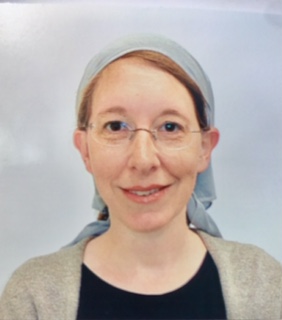
Rachel Wyner
Credentials
Licensed Abroad
Finances
- Yad Harutsim 10
- Jerusalem
 Verified
Credentials
Psychologist
PhD, MA
Finances
500-700 NIS
Private Insurance
Sliding Scale | Free Consultation
ABOUT THE THERAPIST
I am a NY-trained psychologist working from an integrative, developmental, humanistic, strengths-based, trauma-informed perspective, specializing in anxiety, mood disorders, complex trauma, relationships, and academic/occupational issues.
I incorporate psychodynamic theory (attachment, relational, existential) and cognitive behavioral technique (ACT, DBT, mindfulness), helping to equip you with the insights and skills you need to face life’s challenges with greater resilience and inspiration. I work collaboratively, prioritizing your goals, and tailoring my approach to your unique context.
I treat a wide range of mental, emotional, and psychosocial challenges, including disorders of anxiety (generalized anxiety, social anxiety, other phobias, OCD, and panic attacks), mood (major depression, perinatal and postpartum depression, bipolar and schizoaffective), trauma (PTSD, acute stress, and complex trauma), neurodevelopment (ADHD, autism spectrum), eating (anorexia, bulimia, binge eating), and substance use (alcohol, drugs, behavioral addictions), as well as relationship, family, career, and identity issues (marriage, dating, divorce, parenting, infertility, caregiving, work/school stress, life transitions, aging, loss, spirituality, self-esteem).
I will listen and respond to you carefully and compassionately, bringing many years of training and experience to bear on the parts of your life and your self that you share, helping you make sense of them and, where needed, heal them. My personal and professional values include an unconditional regard for the inestimable worth of every human being, a deep and abiding respect for the uniqueness of each individual and his/her experiences and aspirations, a tenacious belief in the invincible human capacity for growth and change, and an insistence that life and all its constituents have inherent meaning (not that I know what that meaning is; it is, rather, something for you to construct or discover in our work together and along your own journey). I also believe in growth through action, not just intention, and strive to help you turn what we talk about into new realities in your life.
I work with adults across the lifespan, adolescents, and couples, both remotely, via Zoom, and in person, in the Baka/Arnona area. I also run psychotherapy process groups and narrative therapy groups for seminary students, mothers, and seniors.
I accept several American insurance plans, for US-based students, visitors, or others to whom this may be relevant.
I have a fluent understanding of Hebrew and am comfortable seeing people who speak Hebrew in session, but my verbal expression in Hebrew is on a conversational level, so I primarily speak English in session.
As Dr. Viktor Frankl notably and knowingly observed, “When we are no longer able to change a situation, we are challenged to change ourselves.” Change can be frightening, but also exhilarating, and is, at times, deeply necessary, if we are to thrive, or even survive. I understand how daunting this is, and I am confident that you can do it and eager to help you try!
QUALIFICATIONS
PhD
The New School for Social Research
2018
MA
Tel Aviv University School of Social Work
2011
Degree
PhDEducation
The New School for Social ResearchYear of Graduation
2018Degree
MAEducation
Tel Aviv University School of Social WorkYear of Graduation
2011Years in Practice
15
REGISTERED PSYCHOLOGIST IN ISRAEL
Registration in Pinkas Hapsichologim
27-197221
LICENSED IN THE USA
ADDITIONAL CREDENTIALS
Certified Adult Attachment Interview Coder, UCLA, Berkeley, 2015
DISTANCE COUNSELING
Telephone Counseling, Online Therapy
PRIMARY SPECIALTIES
Anxiety / Panic
Attention Deficit Hyperactivity Disorder (ADHD)
Mood Disorders
Obsessive Compulsive Disorder (OCD)
Trauma / Post Traumatic Stress Disorder PTSD
ADDITIONAL SPECIALTIES
Addictions
Couples / Relationship / Marriage Counseling
Eating Disorders
Family Issues
Life Transitions
Parenting Issues / Training
Phobias
Postpartum Depression
Self-Esteem
Spiritual Concerns
Stress Management
CLIENT FOCUS
Population
Adolescents
Adults
Couples
Families
LGBTQ
Men
Women
Languages Spoken
English
Hebrew
Native Language
English
TREATMENT APPROACH
Acceptance and Commitment Therapy (ACT)Acceptance and Commitment Therapy (ACT) is a form of psychotherapy that encourages individuals to accept their thoughts, feelings, and experiences without judgment and to use them as tools to help them to make changes in their lives that are consistent with their values. It is based on the idea that by changing the way we think about our inner experiences, we can reduce emotional distress and increase our sense of well-being.
Cognitive Behavioral Therapy (CBT)Cognitive Behavioral Therapy (CBT) is a type of psychotherapy that focuses on how one's thoughts, feelings and behaviors are connected and can be changed. It is based on the idea that how we think (cognition) and how we feel (emotion) can influence how we behave. CBT helps people identify and challenge distorted thinking and replace it with more balanced thinking, leading to improved mood and behavior. ‘Homework’, usually containing practical writing exercises, is often completed by the client between sessions to reinforce the therapy. Examples of tools that practitioners often use are journaling, challenging beliefs, and mindfulness.
Cognitive Processing TherapyCognitive Processing Therapy is used to treat trauma and PTSD. During therapy, clients identify and understand their beliefs about their responses to their trauma. Inspecting their beliefs often leads clients to understand their emotions and thoughts in relation to the trauma. When the client is ready, practitioners give them tools to challenge their thoughts of the trauma as well as provide homework to solidify what they learned in sessions. In the later stages of therapy, practitioners teach clients how belief systems (about safety, self-esteem, trust, intimate relationships, control, and power) can change after trauma.
Dialectical Behavior Therapy (DBT)Dialectical Behavior Therapy (DBT) is a type of cognitive-behavioral therapy developed by Marsha Linehan to help people learn to better manage and cope with emotions and stress. It focuses on developing skills and strategies to help regulate emotions, improve relationships and communication, and reduce self-destructive behaviors. Through DBT, people learn to identify and modify unhealthy thoughts and behaviors, while also learning to accept and validate their own feelings. DBT teaches skills to help individuals become aware of and accept and regulate their emotions, tolerate distress, and improve interpersonal relationships.
Existential PsychotherapyExistential psychotherapy is a form of psychotherapy that emphasizes an individual’s subjective experience of existence. It is a philosophical approach to psychotherapy that views the individual as ultimately responsible for creating a meaningful life. This form of psychotherapy helps individuals explore their subjective experiences, understand their personal values and beliefs, find ways to live more authentically, and make meaningful choices. The ultimate goal is to help the individual reach a greater sense of self-awareness and personal fulfillment.
LogotherapyLogotherapy is based on the belief that our primary motivation for living is to find meaning and purpose in life. Logotherapy was developed by Viktor Frankl, a psychiatrist and Holocaust survivor. It focuses on discovering a person's unique meaning and purpose, and helping them to live a meaningful/purposeful life. This type of therapy is goal-oriented and often involves exploring a person's life experiences, values, and beliefs. Logotherapy may also involve creative activities such as writing, music, art, and other creative outlets.
Mindfulness-Based Cognitive Therapy (MBCT)Mindfulness-Based Cognitive Therapy (MBCT) is a form of therapy that combines cognitive behavioral therapy with mindfulness practices. It is based on the idea that our thoughts, emotions, and physical sensations can affect our mental health. MBCT helps individuals become aware of their thoughts, emotions, and physical sensations in order to gain insight and control over them. MBCT helps clients learn how to recognize their sense of being and see themselves as separate from their thoughts and moods. This separation can free the client from thought patterns in which the repeated negative messages may be dominating the client’s focus. After developing an awareness of the separation between thoughts, emotions, and the self, people in treatment may find that while the self and the emotions may exist simultaneously, they do not have to exist within the same dimension. The healing can take place when one learns how to interject positive thoughts into negative moods and thereby create a shift in mood.
Narrative TherapyNarrative therapy is a form of psychotherapy that focuses on the stories, or narratives, of a person's life in order to help them gain insights into their situation and develop skills to make positive changes. It is based on the idea that people construct their own stories and meanings to make sense of their lives and experiences. It emphasizes the strengths, values, and skills of the person, while also exploring the influences of culture and context on their life. Narrative therapy seeks to empower individuals by helping them to identify and use their inner resources to overcome challenges and create positive change.
Psychodynamic TherapyPsychodynamic therapy is a form of therapy that focuses on the unconscious mind and how it affects behavior. It works to help people understand and work through past experiences and feelings that may be causing difficulties in the present. This type of therapy encourages individuals to explore their emotions, relationships, and behaviors in order to gain insight into their current difficulties. It can help individuals better understand themselves and their motivations, and gain insight into how past events have impacted their current lives. People tend to develop defense mechanisms when faced with challenges in life. Defense mechanisms may keep painful feelings, memories, and experiences in the unconscious. A few common defense mechanisms include: denial, repression, and rationalization. Psychodynamic therapists encourage people to speak freely about their emotions, desires, and fears. Being open may help uncover vulnerable feelings that have been pushed out of conscious awareness. According to psychodynamic theory, behavior is influenced by unconscious thought. Once painful feelings are brought forth and processed, the defense mechanisms are no longer needed and a person in treatment can start changing unhelpful patterns when coping with life’s challenges.
Relational PsychotherapyRelational psychotherapy is a form of psychotherapy that focuses on a person’s relationships with others and the dynamics between them. It emphasizes the importance of the therapeutic relationship between the client and the therapist, and it explores the meaning and purpose of relationships in the client’s life. Relational psychotherapy seeks to understand how the client’s past relationships shape their current experiences and how the client interacts with others. The goal is to help the person develop healthier relationships and better communication skills so they can become more emotionally connected to others.
Trauma-Focused Cognitive Behavioral Therapy (TF-CBT)Trauma-Focused Cognitive Behavioral Therapy (TF-CBT) is an evidence-based practice used to help children, adolescents and their parents who have experienced a single or multiple traumatic events. This type of therapy combines cognitive and behavioral strategies to help people process their traumatic experiences, manage their distress, develop coping skills, and restore their sense of safety and well-being. TF-CBT focuses on education and skill-building, creating an environment of safety and trust, and using therapeutic activities to help people understand their responses and control their symptoms. Children are shown how perceptions may be distorted and are given the tools to redesign those perceptions. TF-CBT is a skills-based model, and it requires the child and parent to practice its components in order to be optimally effective. Parents and children are commonly asked to practice skills at home.
SERVICES OFFERED
Individual Therapy
Coaching
Consultation
Couples Therapy
Group Therapy
Hadrachat Horim
Workshops/Educating