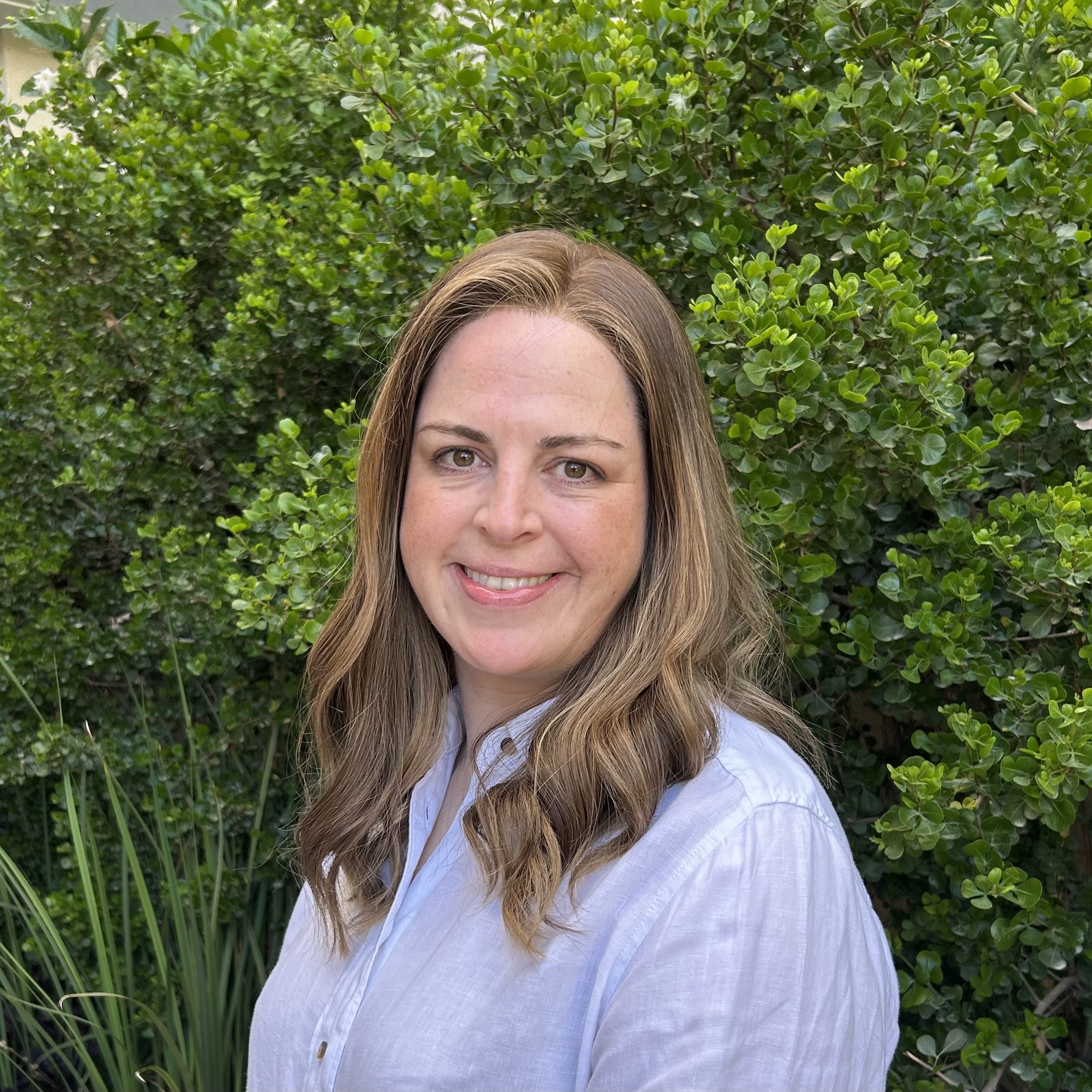
Romy Shulman
Credentials
Licensed Abroad
Finances
- Ahuza Street
- Raanana
 Verified
Credentials
Psychotherapist
PsyD, MSC
Finances
350-500 NIS
N/A
Free initial 20-minute phone consultation
ABOUT THE THERAPIST
Specialist support for infertility, pregnancy loss, baby loss, pregnancy termination and birth trauma - and for anyone navigating life's daily challenges.
I am UK chartered Counselling Psychologist with a Doctorate in Counselling Psychology and over 13 years of clinical experience. We are all navigating struggles every day, some bigger and some smaller. We are constantly confronted with questions, choices, uncertainty and fears, about who we are, where we belong, the people we love, our bodies, our losses and the limits of what we can control. These dilemmas can bring overwhelm, confusion and strong emotions that can feel difficult to face and sometimes scary. This is living.
In therapy with me, we face these difficult emotions together, decoding the important messages they are bringing you and using them to better understand yourself, your experiences, your relationships and your choices.
I work with individuals and couples navigating anxiety, depression, grief, loss, relationship difficulties, work stresses, and life transitions. I also have a particular specialism in the fertility journey, pregnancy loss, and baby loss, as well as premature birth, birth trauma and the transition to parenthood, an area in which I have worked extensively, researched and published.
QUALIFICATIONS
PsyD
Middlesex University
2020
MSC
London Metropolitan University
2013
Degree
PsyDEducation
Middlesex UniversityYear of Graduation
2020Degree
MSCEducation
London Metropolitan UniversityYear of Graduation
2013Years in Practice
13
LICENSED ABROAD
License Category
PsychologistLicense Number
PYL039352 - UK (HCPC)DISTANCE COUNSELING
Online Therapy
PRIMARY SPECIALTIES
Anxiety / Panic
Grief
Infertility
Life Transitions
Pregnancy loss, baby loss, birth trauma, pregnancy anxiety, fear of pregnancy
ADDITIONAL SPECIALTIES
Gender Identity Concerns
LGBTQ
Mood Disorders
Psychosomatic Disorders
Self-Esteem
Sexual Abuse / Rape
Sexual Issues
Spiritual Concerns
Stress Management
Dating and choosing a life partner
CLIENT FOCUS
Population
Adults
LGBTQ
Men
Women
Geriatric
Languages Spoken
English
Native Language
English
TREATMENT APPROACH
Cognitive Behavioral Therapy (CBT)Cognitive Behavioral Therapy (CBT) is a type of psychotherapy that focuses on how one's thoughts, feelings and behaviors are connected and can be changed. It is based on the idea that how we think (cognition) and how we feel (emotion) can influence how we behave. CBT helps people identify and challenge distorted thinking and replace it with more balanced thinking, leading to improved mood and behavior. ‘Homework’, usually containing practical writing exercises, is often completed by the client between sessions to reinforce the therapy. Examples of tools that practitioners often use are journaling, challenging beliefs, and mindfulness.
DreamworkModern dreamwork asserts that the only person that can make meaning of their dream is the dreamer, which is what separates dreamwork from dream interpretation. In dreamwork, the practitioner is a guide in the exploration of the dream, with the client making meaning of the dream for themselves. The reason the practitioner is only a guide is because thoughts, emotions, as well as meaning of symbols are deeply personal and subjective. Dreams can be used to uncover hidden feelings and beliefs, develop self-awareness, and gain insight into problems and potential solutions. Dreamwork is often paired with other therapeutic modalities.
Existential PsychotherapyExistential psychotherapy is a form of psychotherapy that emphasizes an individual’s subjective experience of existence. It is a philosophical approach to psychotherapy that views the individual as ultimately responsible for creating a meaningful life. This form of psychotherapy helps individuals explore their subjective experiences, understand their personal values and beliefs, find ways to live more authentically, and make meaningful choices. The ultimate goal is to help the individual reach a greater sense of self-awareness and personal fulfillment.
Holistic PsychotherapyHolistic psychotherapy emphasizes the individual's interconnectedness between the individual's physical, mental, emotional, and spiritual aspects and views them as inseparable components of a single holistic system. Holistic psychotherapy focuses on understanding how these components interact and affect a person’s wellbeing. The goal of holistic psychotherapy is to create a sense of wholeness and harmony within the individual, and to foster self-awareness and self-care. Holistic practitioners use a variety of approaches, including traditional talk therapy, mindfulness practices, and body-based therapies like movement therapy. They also may incorporate nutrition, physical activity, and other lifestyle factors into treatment plans.
Person-Centered Therapy (Rogerian Therapy)Person-centered therapy, or Rogerian therapy, was developed by Carl Rogers in the 1940’s. It is a form of talk therapy that emphasizes the importance of providing psychological safety, unconditional positive regard, and empathic understanding to clients. This type of therapy is based on the belief that individuals have an innate capacity for self-actualization and self-understanding and that the therapist's role is to provide a supportive environment in which this process can take place. Through the use of active listening, open-ended questions, and non-judgmental reflection, the therapist helps the client to explore their thoughts, feelings, and experiences in a safe and accepting environment. By doing so, clients are able to gain insight into their issues, develop a greater understanding of themselves, and work towards personal growth.
SERVICES OFFERED
Individual Therapy
Clinical Supervision
Couples Therapy
Group Therapy