As therapists working with reservists and their partners, we often hear statements like:
“It feels like he came back, but part of him is still there. He’s here physically, but emotionally so far away, and I don’t know how to reach him.”
"I am tormented by all that I experienced in Gaza during the war, but I don’t want to burden my wife with all that pain."
"I had the burden of taking care of our children while he was in Gaza. I need his help, but he is depressed and distant."
"We are overwhelmed by the stresses of work, children, living in temporary housing, and the ongoing trauma from two years of war."
These voices reflect the profound impact that war and reserve duty can have on intimacy, trust, and connection.
According to a survey by the Central Bureau of Statistics, since the outbreak of the war in Israel 2 years ago, half of the spouses of reserve soldiers reported that their marital relationships were damaged as a result of their military service and 30 percent reported that they considered separation or divorce. According to the survey, 35% of the couples sought counseling once the reserve service was complete.
As clinicians, we need to be equipped to recognize and respond to these complex dynamics, supporting couples as they navigate distance, silence, guilt, and longing, and helping them rebuild pathways back to closeness and healthy intimacy.
Course Overview
In this workshop, clinicians will gain understanding of and be able to use the Six Pathways to Better Relationships Protocol as a practical tool for:
- Assessment of interpersonal strengths, dysfunctions, and deficits
- Treatment planning to build on strengths and develop new capacities
Based on object relations and attachment theory, the Six Pathways to Better Relationships Protocol describes core relationship skills in simple but not simplistic language including the following:
- You ARE Me (Joining/Empathy)
- You KNOW Me / I KNOW You - (Communicating / Listening)
- You OR Me / Me OR You - (Assertiveness / Responsiveness)
- You FOR Me / Me FOR You - (Giving / Receiving)
- You WITH Me / Me WITH You - (Leading / Following)
- You AND I - (Engaging / Co-Creating / Collaborating)
The workshop will include a presentation of the Six Pathways to Better Relationships Protocol as well as application of the protocol to assessment and treatment through case discussion, role-playing, and breakout groups. We will also discuss application of the protocol with special populations and treatment issues.

Participants will receive the following handouts:
- An overview of the Six Pathways protocol
- Assessment and treatment planning worksheets for clarifying strengths, dysfunctions, and deficits in core skills
- Copies of PowerPoint slides.
The overview and worksheets can be used both by clinicians and clients.
Follow-up individual and small group consultations will also be available and included in the cost of registration.
Course Outline:
- Introduction: Definition of intimacy disorders and the unique challenges for Israeli families coping with the ongoing stresses of war and trauma
- Presentation: Six Pathways to Better Relationships - an integrated framework for assessment and treatment
- Case Studies: Utilizing the Six Pathways Protocol for assessment and treatment
- Case Discussion and Role Play
- Breakout groups
- Application to specific treatment populations and treatment issues: Including work with Charedi populations as well as problematic behaviors such as sex/pornography addiction and offending sexual behaviors
- Q &A
Attendees of the course will be able to:
- Understand, define and identify specific intimacy disorders experienced by their clients
- Describe the Six Pathways to Better Relationships Protocol and utilize that framework for assessment and treatment
- Use the protocol to assess a variety of treatment options and definite which options to use in an ongoing process of treatment
- Apply the protocol to a variety of specific treatment issues and populations
This course is for live attendance only - via Zoom.
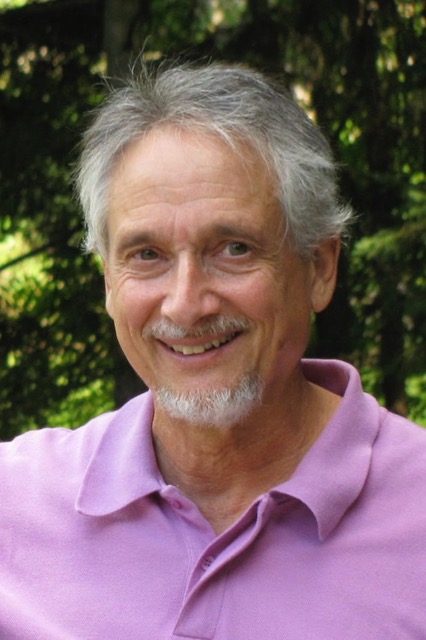
Joel Ziff, Ed.D, CSAT-S
Joel Ziff, Ed.D., is a psychologist and a Certified Sex Addiction Therapist Supervisor (CSAT-S), providing treatment for sex and relationship addiction and betrayal trauma. He serves on the faculty of the International Institute for Trauma and Addiction Professionals (IITAP), teaching in a certification training for couple’s sex addiction and betrayal trauma therapists.
In collaboration with Aliki Pishev, Joel has developed the Couple’s Roadmap to Recovery from sex addiction and partner betrayal trauma, delineating seven stages in the healing journey with specific tasks and accompanying guides and worksheets for each stage.
Joel has previously served on the faculty of Lesley University and Cambridge College. Joel also taught intensive courses in Israel for many years through Lesley’s Israel-based graduate programs.
Joel’s training and 45+ years of experience is in family therapy, gestalt therapy, Ericksonian and traditional hypnosis, group psychotherapy, transactional analysis, developmental psychology and body-oriented psychotherapy.