Overview
Despite over six decades of research and effort, global suicide rates have not decreased but have continued to rise, contrary to the declining trends in deaths from diseases like Influenza, HIV, and Tuberculosis. In Israel, a significant reduction in suicide rates has been achieved by limiting access to lethal means. However, the rate of suicide attempts requiring medical intervention has not changed, indicating that the underlying psychological pain still remain. There is a gap in the focus on intervention and assessment science, and more critically, the implementation of these methods. This presentation will therefore concentrate on practical, evidence-based approaches to suicide-focused intervention and assessment.
It will offer strategies for families and friends of those struggling with suicidal thoughts, and explain brief interventions for first responders and hospital settings with limited patient interaction times. The presentation aims to shift the perception of suicidality from an emergency response trigger to an understanding of deep suffering. Recognizing and appreciating evidence-based treatments for this suffering is crucial to avoid fear-based reactions. The presentation underscores the importance of each individual's role, whether they are laypersons, paraprofessionals, or experienced mental health clinicians, in actively reducing suffering and saving lives.

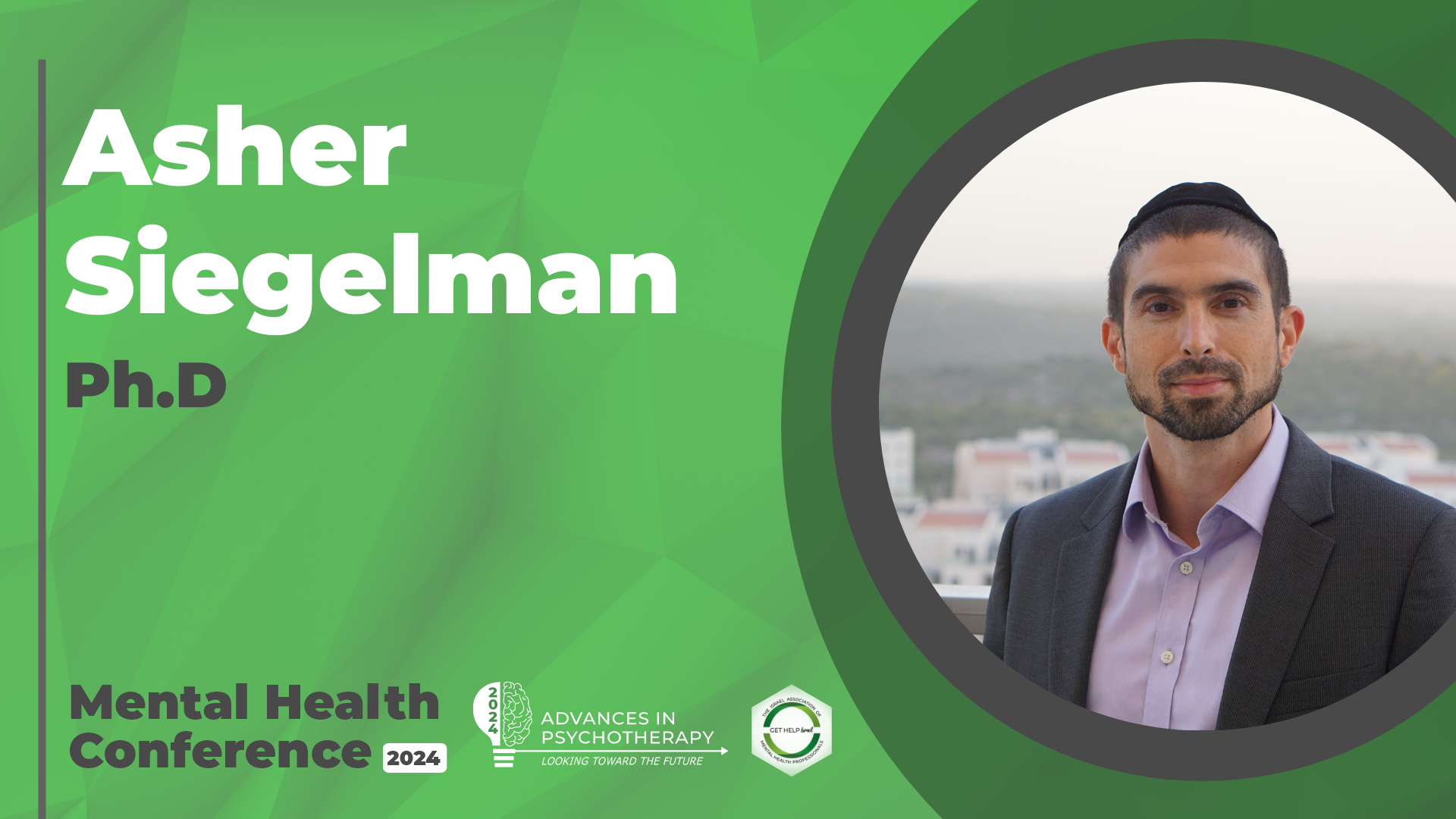
Asher Siegelman, Ph.D
Asher E. Siegelman, Ph.D, a board-certified Israeli clinical psychologist, serves as the director of Israel Suicide Prevention, offering suicide-focused care, support groups for survivors of suicide, and community education seminars. Mentored by David A. Jobes, Ph.D., the founder of Collaborative Assessment and Management of Suicidality (CAMS), Dr. Siegelman is well-versed in one of the few evidence-based protocols for assessing, managing, and treating suicide risk. As the CAMS-care Israel consultant (https://cams-care.com/), Dr. Siegelman provides consultation and training in CAMS. His extensive background includes completing his dissertation with the National Institutes of Mental Health (NIMH) and Walter Reed National Military Medical Center, contributing to the development of a validated suicide risk screener for hospitalized medical patients. His clinical training has a strong focus on trauma-focused care, implementing evidence-based protocols for PTSD in both outpatient and inpatient settings. Dr. Siegelman's research and mentorship extend to suicide prevention, particularly in hospital risk assessments and evidence-based interventions for military personnel and civilians, including adolescents.